
Recording Grizzly Night in Dolby Atmos: Inside a Mobile Film Production

When filmmakers set out to create Grizzly Night, a docudrama based on true events from the 1960s, authenticity was non-negotiable. The project demanded immersive, natural sound captured in real environments, often outdoors, in changing weather, and under challenging production conditions. To achieve that level of realism, the production company Four J Films partnered with Mobile Sessions and relied on Shure microphones across both production sound and post-production workflows.
Built inside a 31-foot RV, Mobile Sessions is a fully functional Dolby Atmos 7.1.4 recording studio designed to travel wherever a project demands. Since launching in 2019, the team has used the mobile studio to support music recordings, live events, educational programs, and an increasing number of film projects often using Shure microphones for their durability, consistency, and ability to perform in unpredictable environments. For Grizzly Night, they brought the entire Shure-equipped setup on location to Park City, Utah, recording production audio in Dolby Atmos and later completing post-production using the same mobile environment.

In this interview, Christine Hufenbecher and Kenny Moran share how Mobile Sessions came together, how they approached recording a feature film in Dolby Atmos on location, and how Shure microphones played a critical role in capturing authentic sound for a story rooted in real-world events.
An Interview with Christine and Kenny of Mobile Sessions
For readers who may not be familiar with Mobile Sessions, can you start from square one. What is it, and how did it begin?
Christine: Mobile Sessions is a mobile audio recording and production company that Kenny and I founded after building a full recording studio inside a 31-foot RV. We started the build in 2018 and launched in 2019 at NAMM. While it began as a music-focused studio, it evolved over time into a fully functional Dolby Atmos 7.1.4 environment that supports everything from remote music recording to film post-production to experiential and educational activations.
Kenny: The idea came from looking at the high cost of building a traditional studio in Los Angeles. Christine asked if a studio could live inside a vehicle. I had seen a similar concept in Canada, so we knew it was possible. What we built looks and functions like a professional studio, but it can go anywhere driving distance allows.

What kinds of projects does Mobile Sessions support today?
Christine: Music is still at our core, but it has expanded significantly. We record artists in unique locations like deserts, beaches, and mountains. We also support live recordings, festivals, brand activations, education workshops, and mentorship programs with schools and nonprofits. It has become very versatile.
Kenny: From a technical perspective, we can handle anything audio-related. Recording, mixing, mastering, live sound, and now film. The flexibility is really the point.
How did you first get involved with the film Grizzly Night?
Kenny: The director, Burke Doeren, and I had worked together years earlier on television projects. When he started developing Grizzly Night, we were discussing another project when Dolby Atmos came up. He realized we could both record and finish the film in Atmos, including post-production. That kicked off the whole conversation.
Christine: We went on location in Park City, Utah in late summer 2023 and recorded sound on set using the mobile studio. Shure microphones were a big part of that process, both on set and later during post-production, because we already trusted them to hold up in tough outdoor conditions.
Recording a film in Dolby Atmos on location is unusual. What does that actually require?
Kenny: At a minimum, you need an array of at least twelve microphones to match an Atmos setup. In many scenes, we used closer to double that. Every day brought a new scene, a new location, and a different acoustic problem to solve. Sometimes we needed the entire environment captured. Other times we needed very close, intimate sound. We had to design each setup quickly, often with a very small team.

Many of the scenes take place outdoors. What challenges did that create?
Kenny: Speed and concealment were the biggest ones. We often had to hide microphones in trees, bushes, cabins, or tape them to logs so they stayed out of frame. In some scenes we were working with just two or three people, and everything had to be ready before cameras rolled.
Christine: Weather was also a major factor. It rained a lot. We recorded in steady rain using protective covers, and the Shure microphones handled it without issue. We were much more worried about the recording equipment than the microphones themselves.


The film features some very intense moments. How did mic choice factor into that?
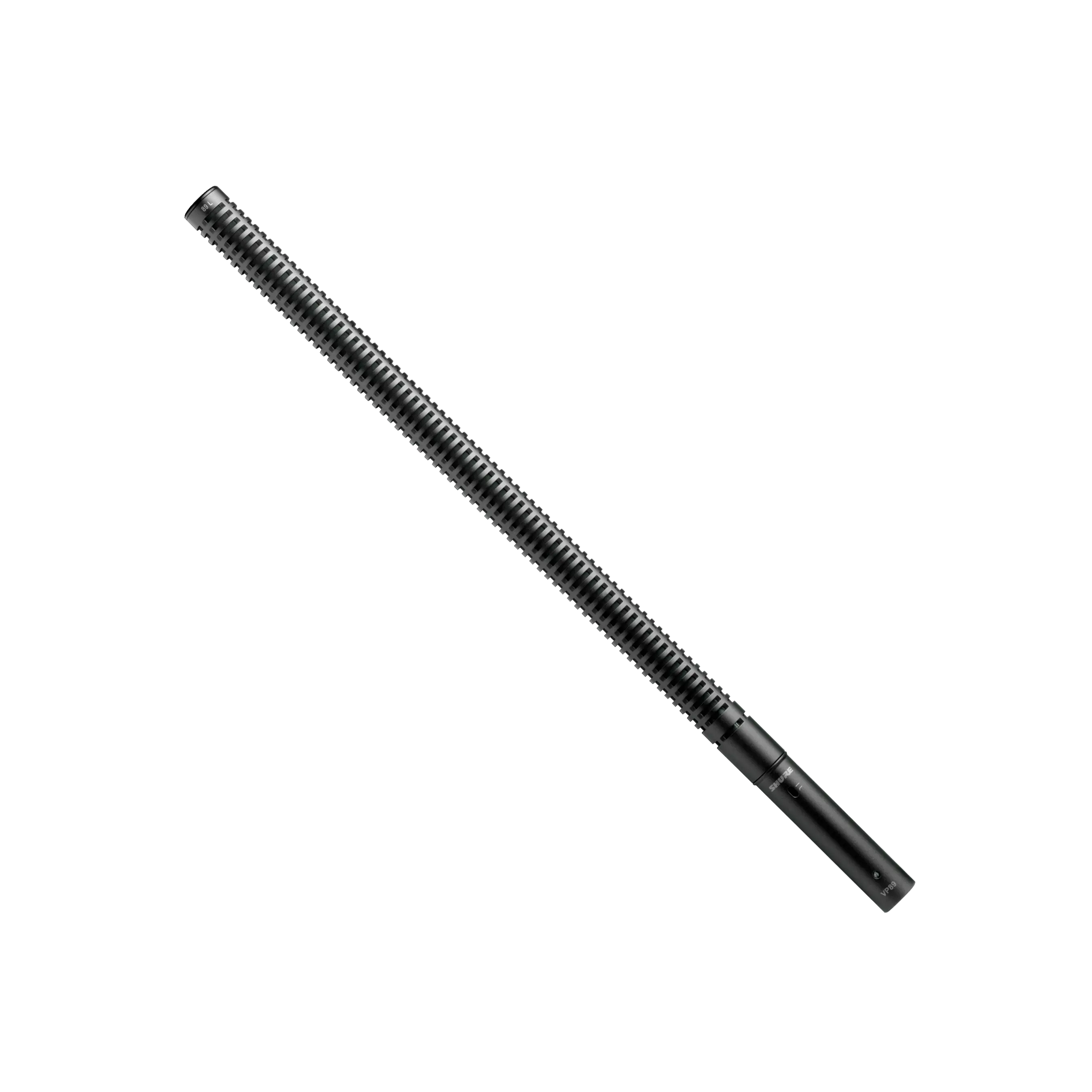
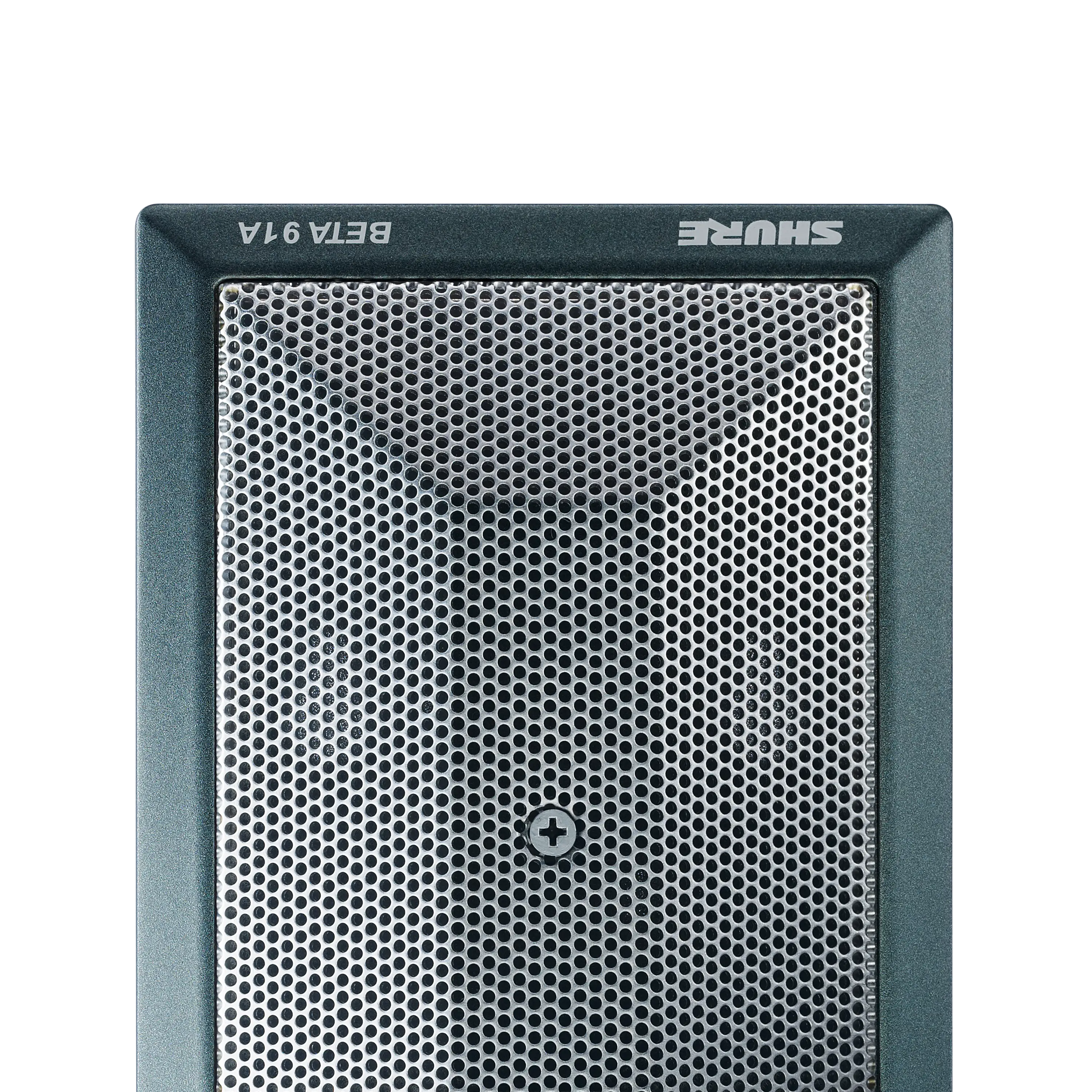
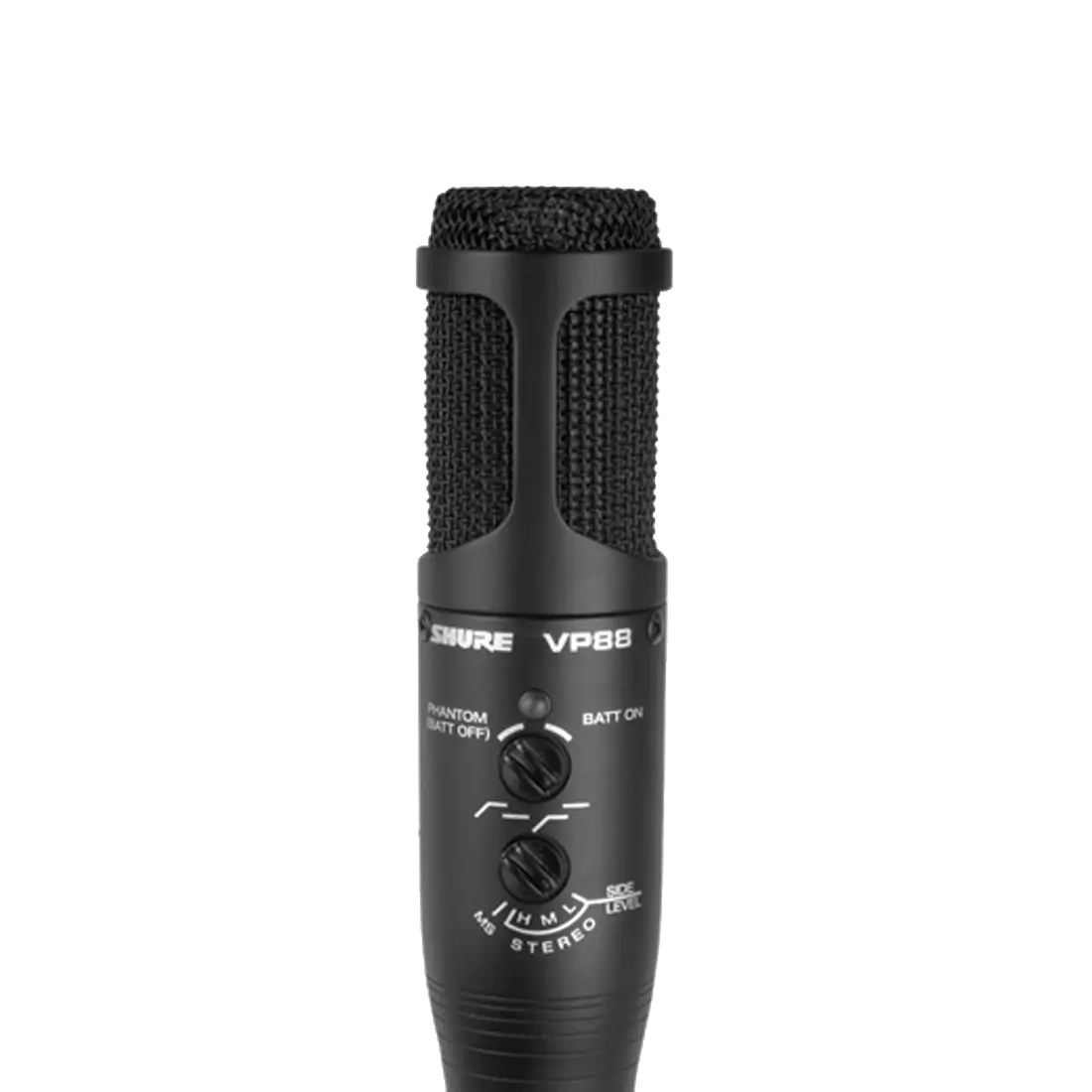
Kenny: For high sound pressure scenes, especially screaming, we used Shure Beta 91A microphones placed very close to the actors. Some of those performances reached around 120 dB, so having a microphone that could handle extremely high SPL was critical. For distance and movement, we relied on Shure VP shotgun microphones and stereo microphones to capture left-to-right motion across the scene.
There is a real bear in the film. How did that impact production?
Christine: The bear was always handled by professional trainers and separated from the cast and crew by an electric fence that was later removed in post. Safety rules were strict. No food on set when the bear was present, only water.
Kenny: Interestingly, the bear made almost no sound on set at all. Most of the bear sounds in the film were created in post-production using Foley and sound design. We recorded some reference sounds when the bear was in its cage, but everything else was built creatively afterward.

How much of the film’s audio was captured live versus recreated later?
Kenny: Almost all of it was recorded on set, using Shure microphones throughout the production. There is essentially no ADR in the film. We were able to rely on production audio because of how much coverage we captured in the field.
One of the most intense scenes involves a helicopter takeoff. How did you approach recording something that loud in a remote outdoor environment?
Kenny: That scene was one of the loudest and most technically challenging moments of the entire film. We placed roughly 20 microphones around the helicopter, spread between about 70 and 120 feet away, hidden in bushes, logs, and natural terrain. We did a dry run when the helicopter landed, which was already loud, but the actual takeoff was significantly hotter once the engines fully kicked in. Even at that distance, the microphones handled the SPL without issue, and we were able to use the live audio from the takeoff in the final film. There was some additional sound design only for distant helicopter moments, but all of the close helicopter audio you hear is real.

How does working on a film compare to recording music?
Kenny: The mindset is very different. With music, microphone choices are based on instruments and tone. With film, especially outdoors, distance and directionality matter far more, which completely changes how you think about mic selection and placement.
Christine: But in both cases, it is about capturing something that feels real and immersive.
Is there anything about Grizzly Night that feels especially important to call out?
Christine: The film is a docudrama based on true events from the 1960s, and authenticity was critical. It shows how human behavior around wildlife led to real consequences and ultimately changed national park safety policies. The goal was always to make it feel real, visually and sonically.
Kenny: Recording it on location, in real weather, with real environments, and with gear we trusted, including Shure microphones, played a huge role in that.
For readers who want to experience the result, where can they watch the film?
Christine: Grizzly Night was released earlier this year and is now available across major streaming platforms, including Amazon Prime, Apple TV, YouTube and for purchase on DVD.

Related Products and Accessories
Related Blogs

Shure Axient® Digital PSM Eliminates Wireless In-Ear Interference for Gorillaz Guitarist on Global 'The Mountain' Tour
True to form for a Gorillaz production, the guest-artist line-up changes from night to night, with Sound Engineer Colin Woodward and the touring crew needing to be ready for anything from a single guest vocalist to a seven-piece brass section or a twelve-strong choir. Throughout, Shure Axient® Digital and Axient Digital PSM wireless systems have kept the show’s audio dependable, wherever in the world the tour lands.
Axient Digital AD vs. ADX Series: What’s the Difference?
When choosing a professional wireless system, the differences between product tiers can sometimes feel confusing. Axient® Digital keeps things simple with one powerful receiver platform and two transmitter series: AD and ADX. Both deliver exceptional RF performance, audio quality, encryption, and spectrum efficiency, but ADX adds advanced tools for the most demanding productions. Understanding what they share—and where they differ—can help you choose the right solution with confidence.
Action Isolator Is Changing What Live Sports Broadcasts Sound Like
The sounds that define the game should lead the mix. Action Isolator is a professional audio processing software from Shure that isolates game audio in real time across up to eight channels and reduces crowd & ambient noise, with five AI-trained modes built for live sports broadcast.


