
Choosing the Best Headset Microphone: A Comprehensive Guide

Key Takeaways
- Choosing the best headset microphone starts with matching the microphone's design, pickup pattern, and fit to your specific application, whether it's live performance, public speaking, fitness instruction, or presentations.
- Factors such as sound quality, comfort, reliability, and microphone placement can significantly impact overall performance and audience experience.
- Understanding the differences between cardioid, unidirectional, and omnidirectional headset microphones can help you select the right solution for your environment.
- Wireless headset microphones provide the freedom of movement needed for performers, speakers, and instructors while maintaining clear, consistent audio.
- Shure offers a range of headworn and headset microphones designed for different use cases, making it easier to find a professional solution that fits your needs.
The world of live audio and sound engineering has evolved exponentially in recent years. Gone are the days when singers, presenters, and performers were restricted to a particular spot because of microphone cables. Today, freedom of movement is essential, making wireless headset microphones and headworn microphone systems an important part of many professional audio setups.
Why Choose a Wireless Headset Microphone?
A wireless setup offers singers, speakers, and fitness trainers an unparalleled range of movement and expression. This ensures they can engage with the audience on another level, delivering an active performance.
When considering a wireless headset mic, consistent sound quality should be a top priority – the last thing a singer wants is the mic to cut out during a climactic note and take the audience out of the magic! However, sound quality isn't the only consideration. Factors such as comfort, fit, and the intended application also play an important role in selecting the right headset microphone.
Key Factors to Consider When Choosing a Headset Microphone
Quality: A Non-Negotiable Aspect
While hunting for the right headset with microphone, the price can be tempting to base your decision on. But remember: your microphone is an investment in your art. By prioritizing quality, you ensure your voice is captured and relayed in its most authentic, precise form.
More expensive mics frequently offer more interchangeability and durability and include more accessories (like foam pop filters or interchangeable heads for altering sound characteristics). User serviceability and increased reliability are also more common among higher-priced models.
Comfort is Key
On stage, there’s no room for discomfort. Your wireless headset mic for singing should feel like a part of you – lightweight, secure, flexible, and comfortable enough to wear for extended periods. It’s not just about the sound; if you spend more time adjusting than singing, there’s a problem.
While the swift adaptability of a single-ear mic might appeal to some users, others prefer the stability and snug fit of a dual-ear headset microphone. The right choice depends not only on comfort and fit, but also on the demands of the application and performance environment.
Versatility Matters
It’s not always about the music. Sometimes, vocalists must communicate with the audience, transitioning between singing and speaking. A good headset should effortlessly handle both, ensuring clarity and warmth in voice, whether you’re hitting high notes or spoken word.
Beyond audio performance, reliability is equally important. Whether used for live performance, presentations, or instruction, a headset microphone should be capable of withstanding the conditions and demands of regular use while delivering dependable results.
Crafted for the Stage
The stage presents unique challenges: loud instruments, performers’ movements, and unexpected feedback. Thus, it is vital to have a stage microphone headset designed for these conditions to help support consistent, intelligible audio in demanding situations.
For some performers who frequently engage with live audiences, head-worn wireless microphones are not just an option but a necessity. They’re engineered to prioritize the singer’s voice, ensuring it’s always the focal point, irrespective of what’s happening in the background. These mics will ensure that the audience stays focused on the performers on stage.
Understanding Headset Microphone Polar Patterns
A headset microphone's polar pattern determines how it picks up sound and plays a major role in overall clarity, background noise rejection, and performance. Understanding the differences between microphone pickup patterns can help you choose the best headset microphone for your environment and application.
Unidirectional Microphones: Unidirectional microphones are designed to pick up sound from a specific direction, typically the front. For singers and performers working in noisy environments, a unidirectional headset microphone can help emphasize the intended sound source while reducing unwanted background noise.
Cardioid Pattern: A cardioid polar pattern is a subset of unidirectional microphones, these have a heart-shaped pickup area. Cardioid headset microphones are designed to capture sound from the front while reducing noise from the sides and rear, helping improve vocal clarity in challenging environments.
Omnidirectional Microphones: Omnidirectional microphones capture sound from all directions. They are often chosen for applications where a natural, consistent sound is desired, particularly when the user may move their head frequently. However, they can also pick up more ambient noise than directional microphone options.
When selecting a headset microphone, consider the environment you’ll be performing in. A noisy environment might benefit more from unidirectional mics, while intimate, controlled settings can lean towards omnidirectional options.
Proper Headset Microphone Placement
The nuances of headset microphone placement can make or break a performance. Every aspect is pivotal, from ensuring the headset with mic is shielded from direct breath streams to considering facial anatomy and movement, small adjustments can make a noticeable difference in clarity and consistency.
Before stepping on stage or in front of an audience, take time to properly adjust the headset microphone. Positioning the microphone too far forward can increase popping sounds and breath noise, while placing it too far back can reduce clarity and low-frequency response. The microphone's distance from the face also plays an important role in achieving optimal sound quality.
Once adjusted, perform a few simple movements to ensure the headset remains secure and stable. External factors like jewelry and facial hair can also influence sound clarity, so being proactive is critical.
In the competitive world of audio equipment, Shure consistently delivers outstanding reliability, especially in wireless microphone headsets. Choosing the right headset microphone involves balancing sound quality, comfort, reliability, and proper placement. Whether for performing, presenting, or fitness coaching, selecting the right solution can help you achieve consistent results and greater confidence on stage.
To help guide your decision, here are some of Shure's headset microphone options designed for a variety of applications, performance needs, and budgets.
Shure Headset Microphone Options
Shure PGA31
Designed as a beginner-friendly cardioid condenser headset microphone, the PGA31 offers clear audio tailored for vocal performances. Ideal for newcomers, it stands out as an affordable yet high-quality choice for performers seeking a reliable headset microphone for singing and live sound applications.

Shure SM35
The SM35 is known for its signature tight cardioid pattern, which ensures crisp vocal clarity even in high ambient noise environments. Designed for multitasking performers who move and sing, this headworn microphone provides hands-free operation and consistent audio performance.

Shure SM39
Designed for performers who demand freedom of movement without sacrificing sound quality, the SM39 is a cardioid singing headset microphone that delivers clear, focused vocals while helping reduce background noise. Its low-profile, ergonomic design provides long-lasting comfort and dependable stability, while compatibility with Axient Digital and all Shure wireless systems supports reliable wireless performance on stage. Built for dynamic movement, the SM39 helps artists stay focused on delivering powerful, memorable performances.

Shure SM31FH
Catering to the fitness domain, the SM31FH is a moisture-resistant cardioid condenser fitness headset microphone crafted to withstand the intensity of aerobic routines or gym sessions. Fitness professionals seeking durability combined with clear sound will find the SM31FH an unbeatable choice in sweat-resistant headset mics.

Shure MX153
The MX153, a sub-miniature ear microphone with an omnidirectional pickup pattern, is designed for discretion without compromising sound quality. Elevating spoken word applications, the MX153 ear microphone is the ideal companion for corporate presentations and houses of worship.
-min__466x275.webp?position=c&color=ffffffff&quality=80&u=zenegx)
Shure DuraPlex DH5 Headset
Meeting the demands of rigorous environments, the Duraplex DH5 headset mic wireless showcases an IP57 rating for protection against dust and water. Its omnidirectional design ensures consistent sound capture, and its durable Plex cable makes it popular for those in broadcast, houses of worship, and theater. The DH5 headset is available in four colors and two connector types.

Shure TwinPlex TH53
Part of the Shure premium headset mic range, the TwinPlex TH53 promises unparalleled comfort with its lightweight design. Theater performers and broadcast presenters can bank on the durable Plex cable and its omnidirectional configuration for accurate line delivery, ensuring they remain in the limelight with every performance. The TH53 headset is available in three colors and four connector types.

Finding the Right Headset Microphone for Your Needs
When choosing a Shure headset microphone, it’s all about matching the microphone’s capabilities to your specific needs. With Shure variety, you’ll find a headset microphone that resonates with your requirements, so your voice is always heard with utmost clarity.
FAQ: Common Questions About Headset Microphones
How do I choose the right headset microphone for my application? Start by considering how and where the microphone will be used. Factors such as sound quality, comfort, microphone pickup pattern, and the demands of the environment can all influence which headset microphone is the best fit.
Should I choose a cardioid or omnidirectional headset microphone? The right choice depends on the environment. Directional microphone options are often preferred in noisier settings, while omnidirectional microphones can provide a more natural sound in controlled environments.
Why is headset microphone comfort important? A headset microphone should remain comfortable and secure throughout use. A proper fit allows performers, speakers, and presenters to focus on their delivery rather than adjusting equipment.
Does microphone placement affect sound quality? Yes. Small placement adjustments can influence clarity, breath noise, and overall vocal consistency, making proper positioning an important part of achieving the best performance.
What should I prioritize when comparing headset microphones? Rather than focusing on price alone, consider the combination of audio quality, reliability, durability, comfort, and suitability for your specific application. These factors can have a significant impact on long-term performance and user experience.

Related Products and Accessories
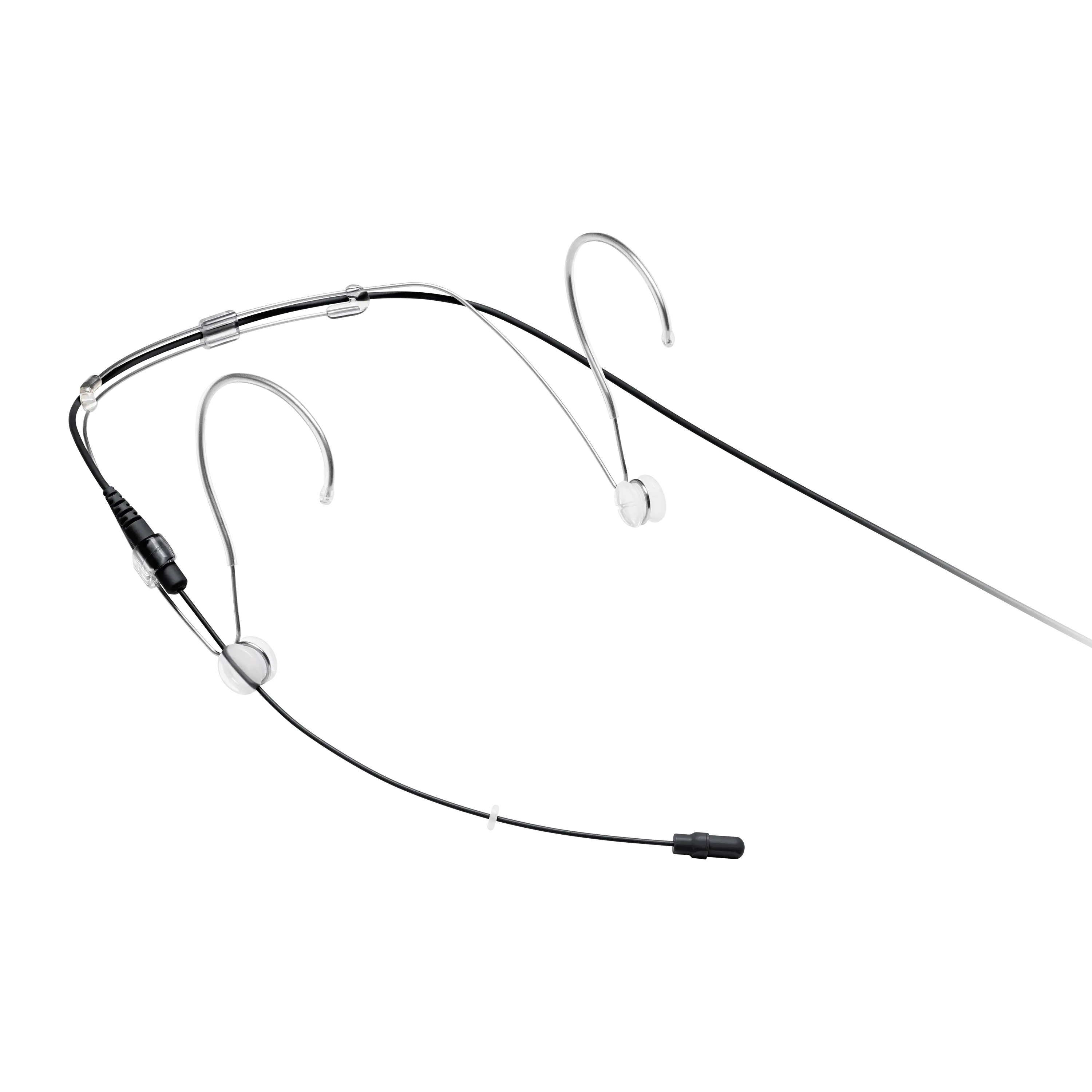 DH5DuraPlex Omnidirectional Subminiature Headset Microphone
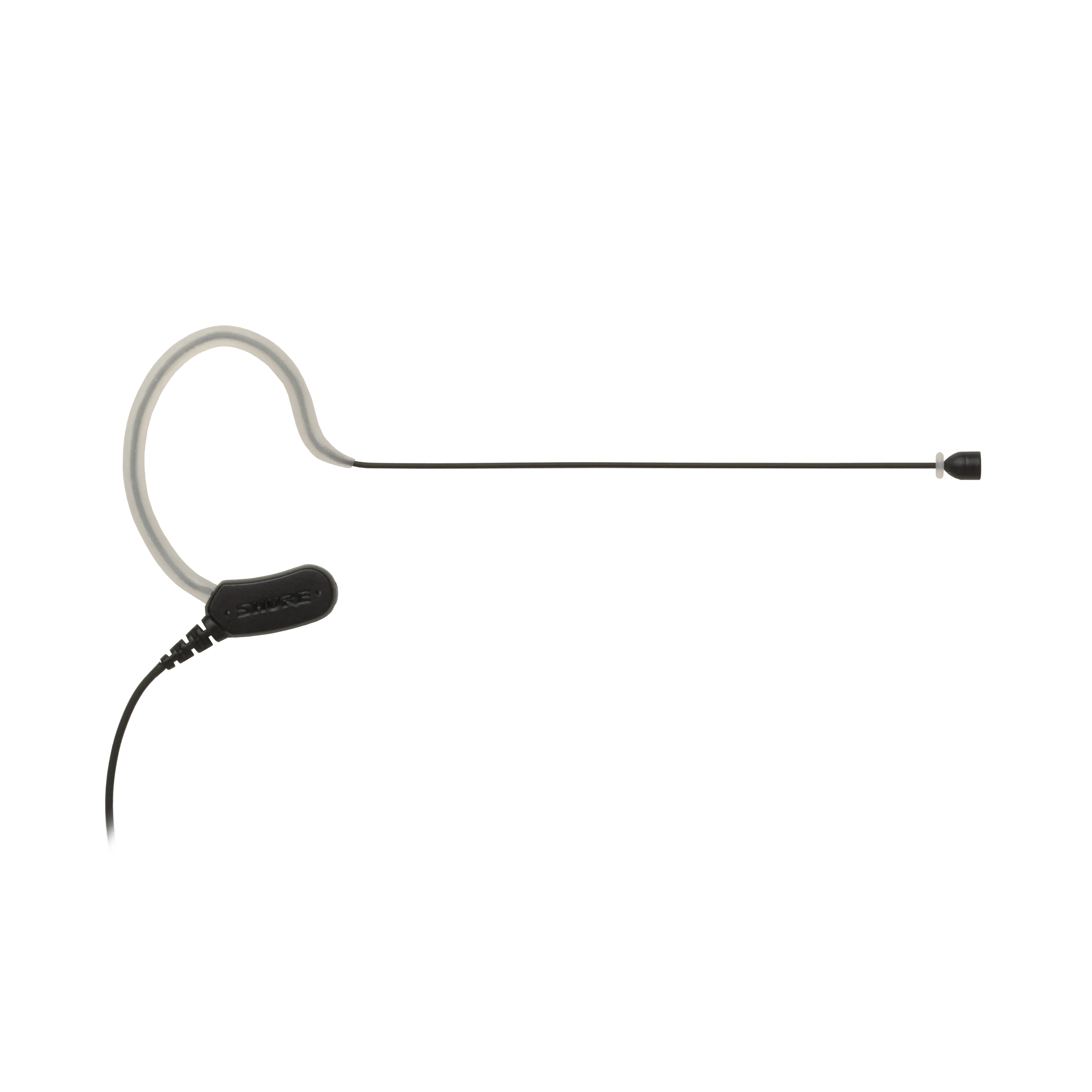 MX153Earset Headworn Microphone
 PGA31Headset Condenser Microphone
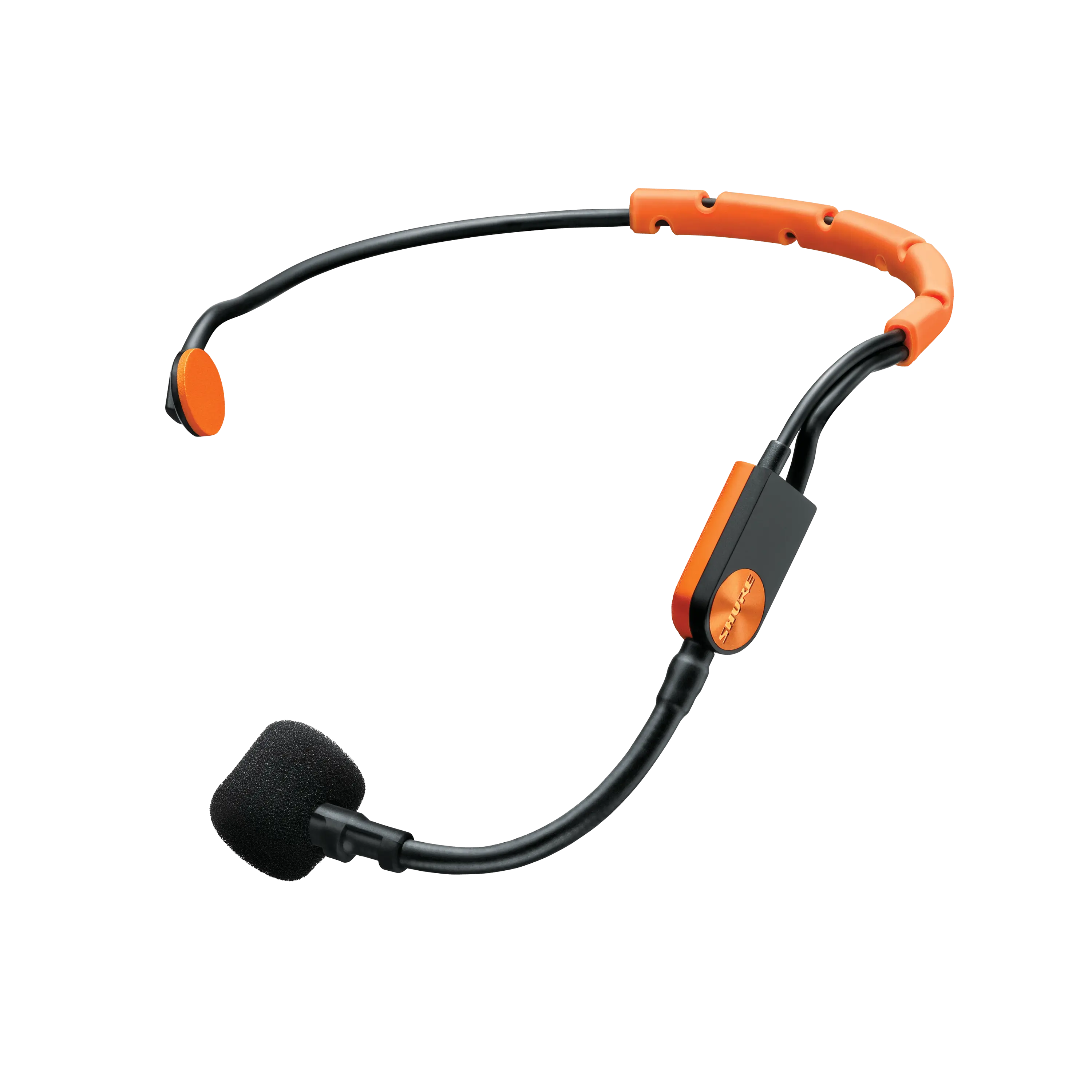 SM31FHFitness Headset Condenser Microphone
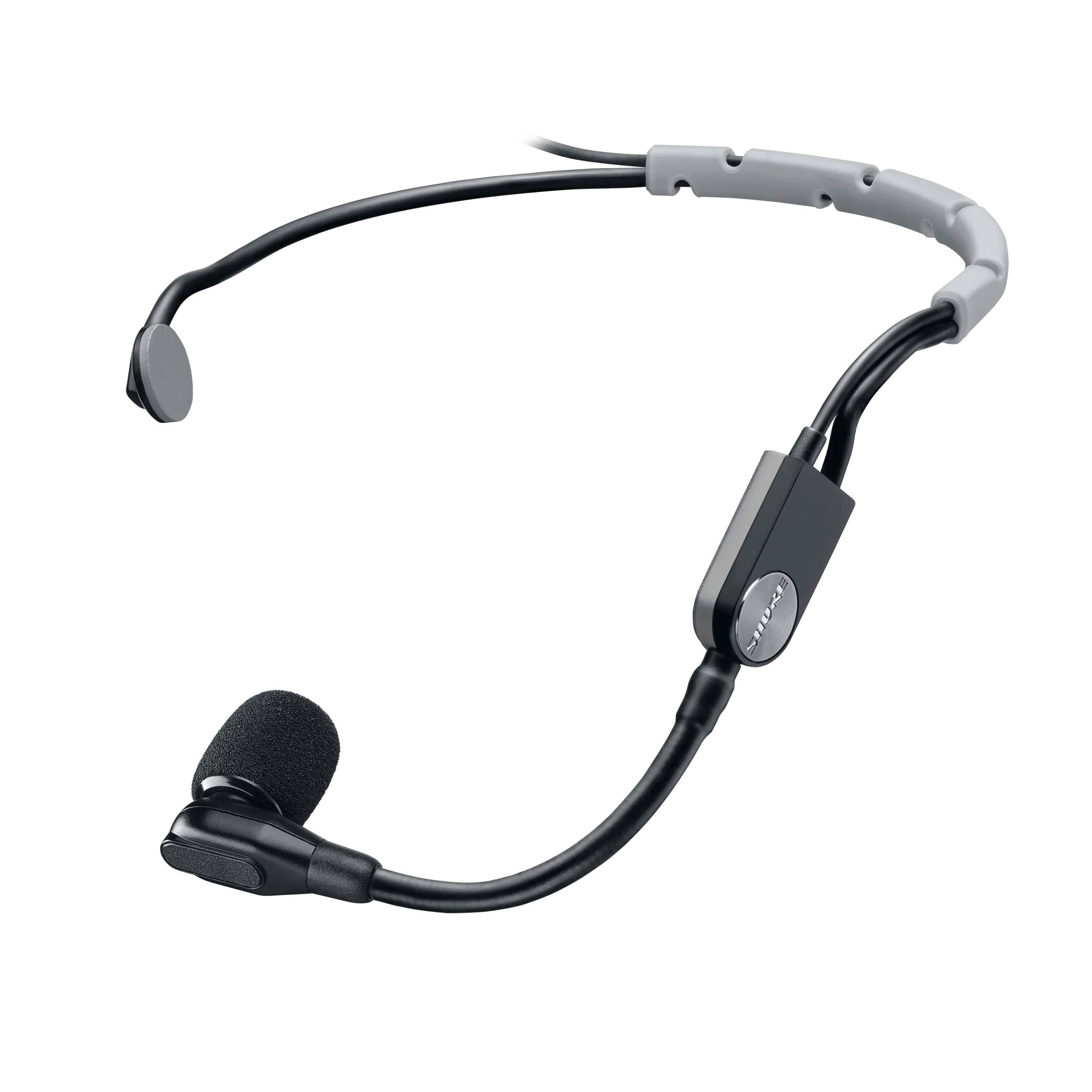 SM35Performance headset condenser microphone
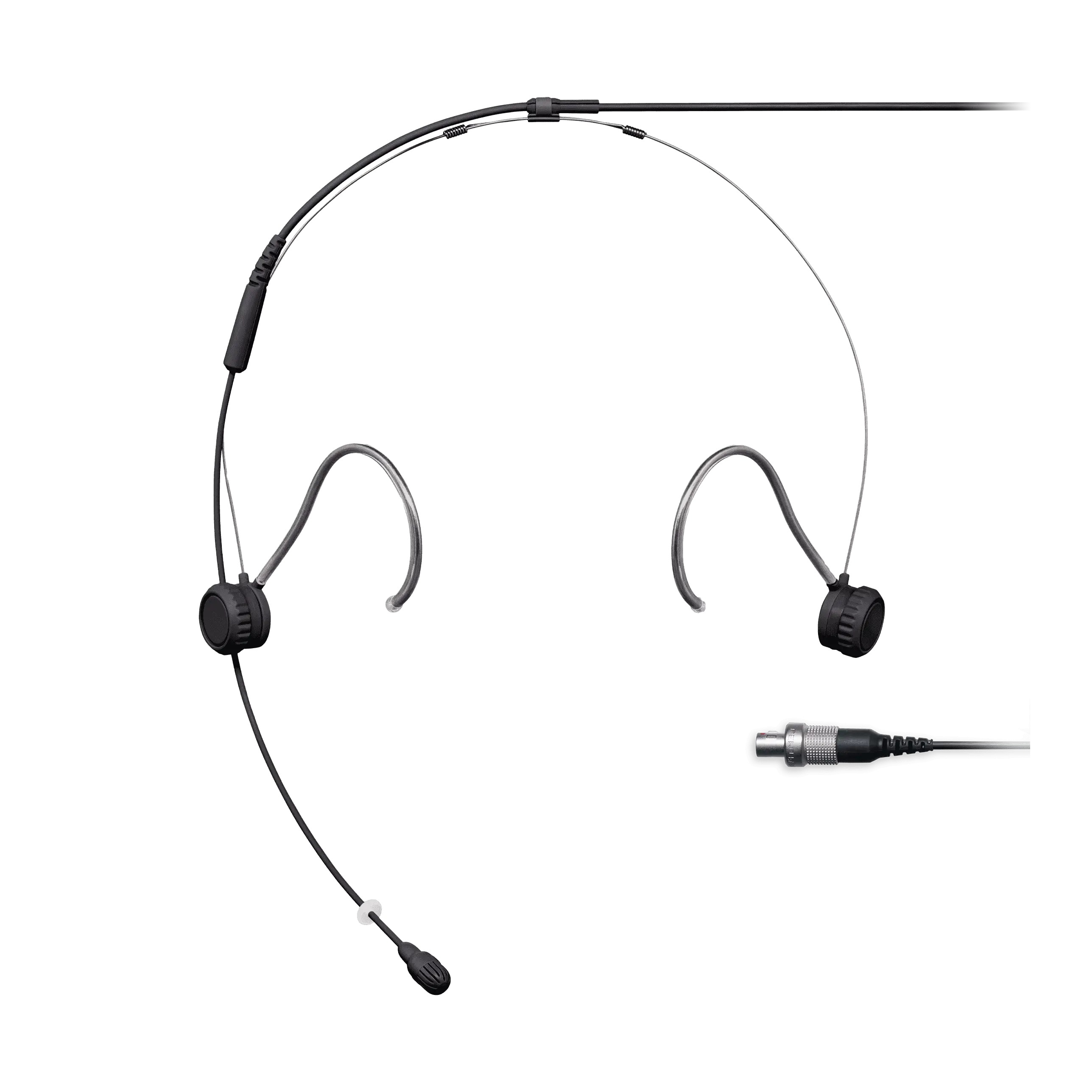 TH53TwinPlex™ TH53 Subminiature Headset MicrophoneLearn More
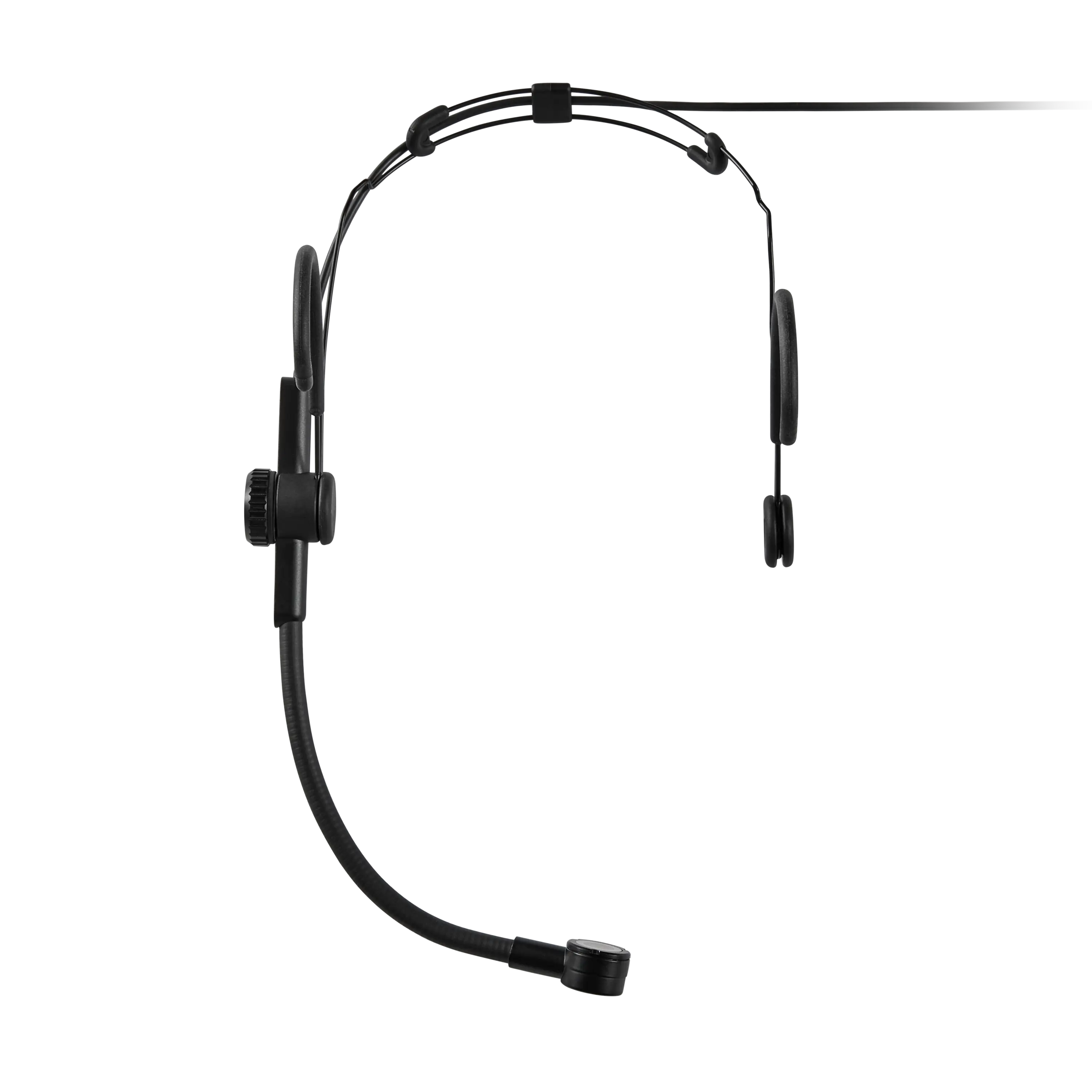 SM39Cardioid Singing Headset Microphone for Performing Artists
 Axient® DigitalWireless Microphone SystemFrom$2,224.00Learn More
Related Blogs

Axient Digital AD vs. ADX Series: What’s the Difference?
When choosing a professional wireless system, the differences between product tiers can sometimes feel confusing. Axient® Digital keeps things simple with one powerful receiver platform and two transmitter series: AD and ADX. Both deliver exceptional RF performance, audio quality, encryption, and spectrum efficiency, but ADX adds advanced tools for the most demanding productions. Understanding what they share—and where they differ—can help you choose the right solution with confidence.
Action Isolator Is Changing What Live Sports Broadcasts Sound Like
The sounds that define the game should lead the mix. Action Isolator is a professional audio processing software from Shure that isolates game audio in real time across up to eight channels and reduces crowd & ambient noise, with five AI-trained modes built for live sports broadcast.
What's the Difference Between the SM58 and the Beta58A?
The SM58 and Beta 58A are both reliable handheld vocal microphones with different pickup patterns, output levels, and tonal profiles. The SM58 has a cardioid pattern and familiar, forgiving SM-series vocal sound. The Beta 58A has a tighter supercardioid pattern, hotter output, extended response, and reduced handling noise.


