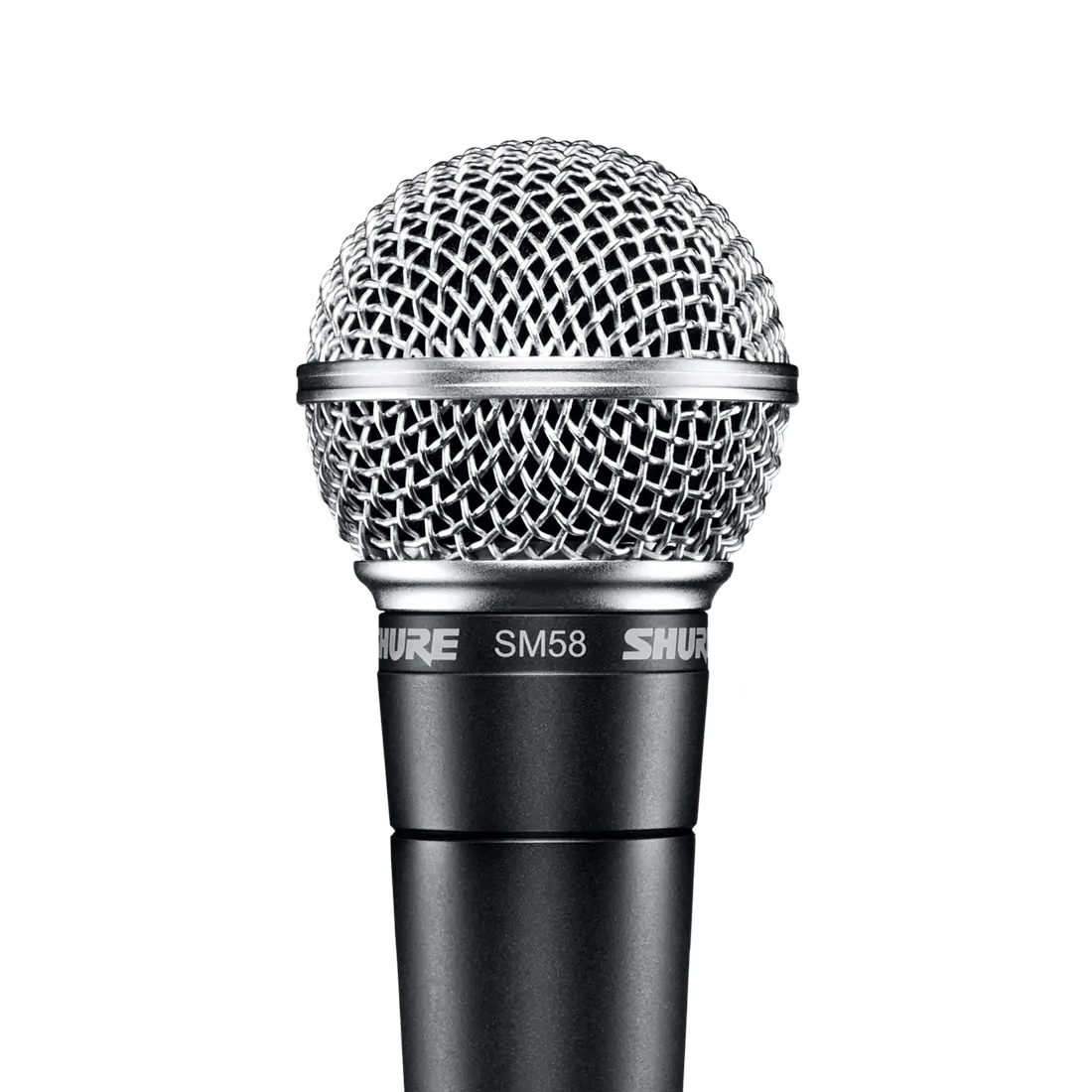
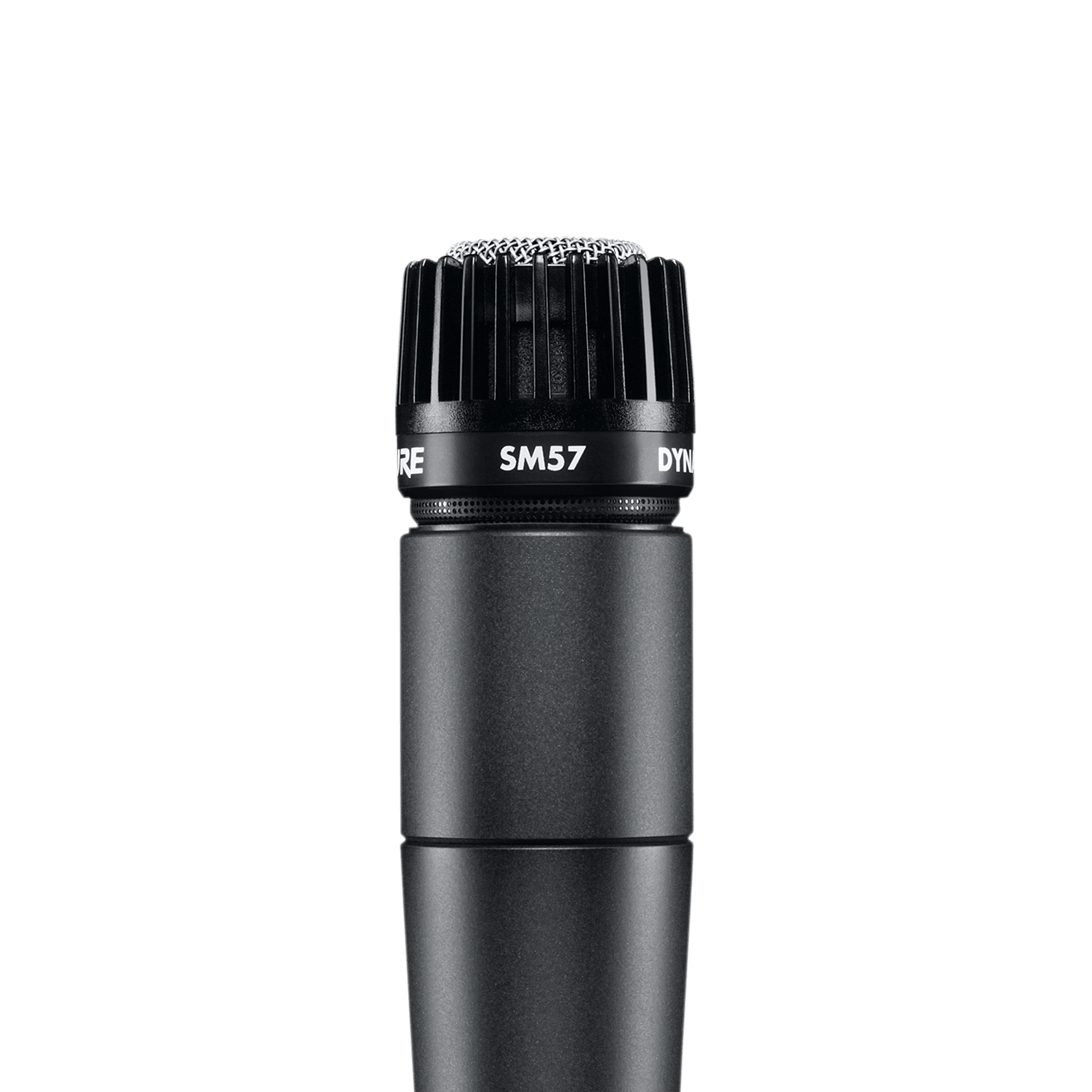
What is Shure's Pneumatic Shockmount?

The pneumatic shockmount featured in Shure microphones is an essential but often misunderstood piece of audio engineering. We look at why microphones have shockmounts and what makes the Shure pneumatic design so unique.
Why Microphones Need Shockmounts
For a dynamic microphone to work, the diaphragm and the coil need to move. In an ideal world, we only want this to happen when the signal we're trying to pickup produces a sound. In reality, there are all kinds of other, unwanted sounds that can stimulate the diaphragm and produce a signal. This could be anything from mechanical sounds to handling noise or a simple rumble from the microphone stand. Shock mounts are used to isolate the microphone from undesirable vibrations that would otherwise be added to the output signal.
In 1964 Shure introduced the pneumatic shock mount, which is a sophisticated system designed directly into the acoustics of the cartridge and has not been duplicated by any other competitor to this day.
How Does the Shure Pneumatic Shockmount Work?
To prevent handling noise, the Shure pneumatic shockmount pumps like a piston to cancel out vibrations. As the vibration occurs, a chamber of air behind the diaphragm shrinks, forcing more air into the microphone cartridge. This increases the pressure under the diaphragm which counteracts the pressure being induced by the vibration, thus minimising movement of the diaphragm. The science and engineering behind the pneumatic shockmount is impressive to say the least. Conventional shockmounts are more simple in design, and not nearly as effective.