
Ritsumeikan University Case Study: Enabling Large Scale Hybrid Group Work in Higher Education

Summary
- Ritsumeikan University developed the Learning Infinity Hall, a next-generation hybrid learning space with 38 group work booths, enabling up to 228 participants to collaborate simultaneously both in person and remotely.
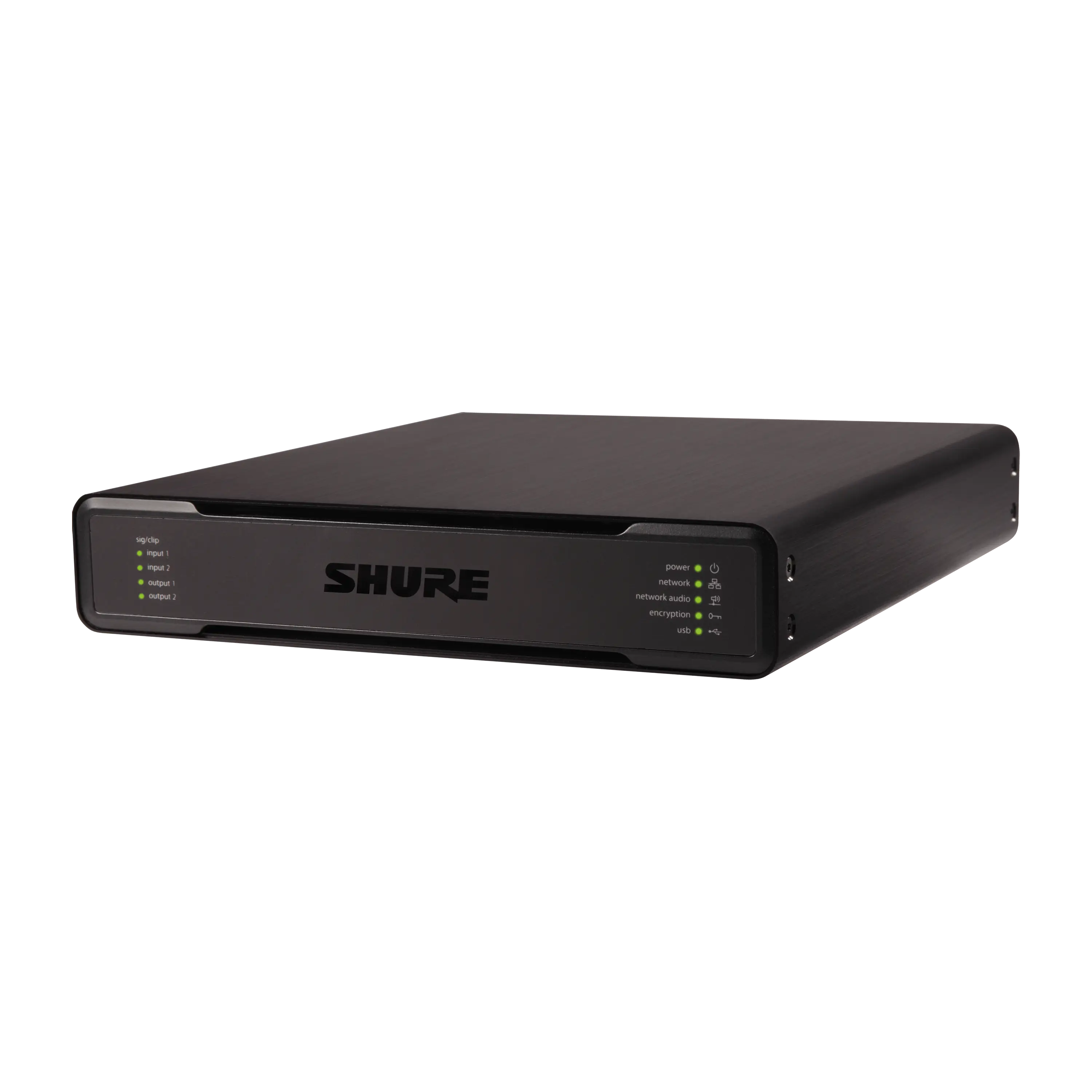
- To support large-scale group work within a shared environment, the university deployed Shure MXA310 Table Array Microphones and P300 Audio Processors at each booth, ensuring clear voice capture while minimizing noise bleed between groups.
- The solution enhances student engagement, teaching flexibility, and the experience for remote participants, while also creating a foundation for future capabilities such as AI-powered transcription and analysis of collaborative learning activities.

For Ritsumeikan University, audio quality and flexibility have been key factors in creating more engaging learning experiences. According to Kengo Kurashina, Assistant Director, Office of Information Infrastructure, Information Systems Department:
Shure’s audio processing technology is extremely advanced. It removes unwanted noise captured by the microphones and delivers clear speech. The system is highly flexible, allowing us to bring new ideas to life and propose innovative learning environments.
Audio Challenges in Large-scale Collaborative Learning Spaces
At its Osaka Ibaraki Campus, Ritsumeikan University opened the Learning Infinity Hall in 2024 as a purpose-built space for large scale hybrid group work. The hall accommodates up to 228 participants and contains 38 group work booths within a single shared environment, each equipped with cameras, displays, microphones, and speakers.
Unlike traditional lecture halls, Learning Infinity Hall was designed to support multiple groups working in parallel rather than one to many teaching. Each booth seats up to six participants and connects to a web conferencing platform, allowing instructors to run simultaneous breakout sessions and assign remote participants to any group in real time. This flexibility enables collaboration between students, faculty, and external stakeholders, both in person and online, within the same session.
However, this multi group configuration created significant audio challenges. With many discussions taking place at the same time and booths located in close proximity, overlapping conversations caused noise bleed between groups, echo and acoustic interference, and reduced speech intelligibility, particularly for remote participants. Without a way to precisely capture and isolate voices within each booth, managing large scale hybrid collaboration in a single shared hall proved difficult.

We were confident that this solution could handle the hall’s demanding design. It shapes speech, removes unnecessary noise, and eliminates the need for handheld microphones, even for first time users.
Kengo Kurashina
Reducing Noise Bleed Between Adjacent Groups
We were confident that this solution could handle the hall’s demanding design. It shapes speech, removes unnecessary noise, and eliminates the need for handheld microphones, even for first time users.
To address noise bleed, the Ritsumeikan Unversity equipped each booth with a Shure MXA310 Table Array Microphone and a Shure P300 Audio Processor, which can capture only voices within each individual booth while minimizing pickup from surrounding areas.
Together, these technologies enable advanced audio processing that isolates speech within each group, reduces unwanted background noise, and maintains clear audio for remote participants. Given the size of the hall, the system also incorporates VoiceLift technology, which naturally reinforces speech throughout the room without sounding artificial or amplified.
What Results Did This Solution Achieve?
Clear, intelligible audio is now delivered to all participants, both in the room and online, without interference from neighboring booths. Students no longer need to raise their voices or pass microphones, and participation during discussions and presentations has increased. Remote participants benefit from more natural, comfortable communication that mirrors the in room experience.
Faculty members also value the flexibility of the system, which allows them to experiment with different teaching approaches. Instructors can introduce conversational group work formats or structured presentations as needed, without changing the room setup.
High quality audio captured in Learning Infinity Hall also enables future opportunities, including AI based transcription of group discussions, analysis of collaborative learning outcomes, and the expansion of advanced group work environments into smaller classrooms.

Learning Infinity Hall is never ‘finished.’ We continue to refine and evolve it as teaching methods change.
Kengo Kurashina
Key Takeaways for Universities Planning Hybrid Group Learning
Large scale hybrid group work succeeds when audio is treated as a foundational element of learning space design. This case study demonstrates that by prioritizing:
- Speech intelligibility
- Noise reduction
- Flexible integration with collaboration tools
Universities can create inclusive, scalable learning environments that encourage participation and enable meaningful collaboration, both in person and online.
Installed Products
Learn how Shure’s Collaboration and Conferencing solutions can empower your classrooms with intelligible audio and flexibility.

Related Products and Accessories

Related Blogs

From Meeting Challenges to Measurable ROI: Rethinking Collaboration Investment
Chris Merrick explores how IT leaders can move from everyday meeting-room technology barriers to measurable collaboration ROI. Drawing on IDC research, he explains how to make the business case for modern collaboration environments by connecting better meeting experiences to productivity, support efficiency, AI readiness, and long-term value.
The Best Video Conferencing Solutions For Higher Education: Zoom and Shure
Hybrid and flexible learning continue to shape how colleges and universities engage students both in and outside the classroom. Zoom helps support collaboration across learning environments, while Shure solutions help deliver the clear communication needed for effective participation and engagement.
What’s Inside the IntelliMix Bar Pro Kit: Everything You Need for Modern Meeting Spaces
Designed for IT, the IntelliMix® Bar Pro Kit delivers an all‑in‑one Microsoft Teams Rooms solution: one device, one install path, and a faster, more standardized deployment experience for enterprise meeting rooms.


