TwinPlex Takes the Stage

Key Takeaways
- TwinPlex was engineered around three priorities: natural, high-fidelity audio, exceptional cable durability, and dependable moisture protection for demanding professional applications.
- The dual-diaphragm microphone design helps deliver consistent, natural sound with reduced cable noise and reliable off-axis performance for performers and presenters on the move.
- Extensive durability testing—including Shure’s Cable Flex Machine and Sweat-Bot tests—helped validate performance in theater, broadcast, and live production environments.
- A compact, low-profile design makes TwinPlex easier to conceal, while maintaining the audio quality and reliability expected from a premium lavalier microphone.
- Real-world testing across theater, broadcast, film, television, and live productions helped refine the microphone and ensure it could perform in the industry's most demanding applications.
For years, Shure wireless systems have been trusted in some of the world's most demanding applications, from Super Bowl halftime shows to theater productions. With TwinPlex, Shure set out to bring the same level of performance to lavalier and headset microphones, creating a complete wireless audio solution from transmitter to microphone.
Shure is widely recognized for its microphones and amazing wireless systems, but we had not addressed the premium lavalier and headset market as thoroughly as our other portfolios.
To make that happen, we needed to engineer and manufacture the best sounding, most durable lavalier and headset mics that the pro audio world had ever heard. We focused on three goals: sound quality, cable durability and sweat protection. The result is a premium lavalier and headset microphone solution designed to perform in challenging real-world environments.
Twice the Sound
To get the big sound we were after, Shure engineers proposed a dual diaphragm design – literally two parallel elements. With twice the surface area of other 5 mm microphones, the cartridge offered a fuller low frequency response, better extension and a smoother high end. The increased surface area also helps provide exceptional specifications and one of the widest dynamic ranges available in a microphone of this size.

The TwinPlex element uses a dual-diaphragm omnidirectional design with two parallel diaphragms.
For performers, broadcasters, and presenters who move throughout a stage or studio, the design offers another important advantage: reliable and consistent off-axis performance. As an actor’s head moves side to side or a mic drifts on a forehead, sonic changes are minimized because the sound source is always facing one of the diaphragms.
The dual-diaphragm design also helps reduce cable noise. Any mechanical vibrations that touch the cable are essentially canceled due to the parallel diaphragm. This was especially noticed in the Film/TV market where they are constantly hiding mics and needing quiet solutions for feature films and reality shows.
Making TwinPlex Smaller Without Sacrificing Sound
Early on, one of the biggest challenges was size. The first concepts were way too big. The very early prototypes were shown to leading sound designers, and their reaction made it clear we had more work to do.
We needed to remove at least 4 mm of length out of the mic without sacrificing sound quality. We did this by placing the electronics between the two microphone diaphragms instead of behind them.
The result was a smaller, more discreet microphone that retained the audio performance we were striving for.

Early TwinPlex prototypes during Advanced Development.
The TwinPlex Cable vs. Cableflex Machine
Since cables are usually the first components in lavs and headsets to fail, we worked as hard on the cable construction as we did on the cartridge itself. We wanted TwinPlex to deliver excellent sound quality, but just as importantly, we wanted it to withstand the demands of theater, broadcast, and live production environments.

Early in the project, we assembled a dedicated team focused solely on cable development. Working alongside our strategic supplier team, we spent nearly a year evaluating partners, testing designs, and visiting manufacturers before ultimately selecting a high-end medical company with experience developing durable cables for medical devices.
After a few prototype rounds, we put the new design through its paces on our laboratory’s punishing cable flex machine. The cable failed to fail for over two weeks – surviving over 140,000 flexes before we eventually stopped the test to use the machine for other projects.
In fact, the medical grade cable is thinner than our previous cables and lasted significantly longer than our original specification requirement based on competitive benchmarks.
The reason for its extraordinary durability is a nontraditional cable construction. There are two tinsels wrapped inside the shield that function as redundant grounds. Also, the spiral tinsel resulted in a very flexible relaxed feel that is easy to route through a costume for theater or film work. We wrapped the unique cable in a paintable jacket that resists drying out and cracking and takes paint very well, a requirement for theater work.
Sweat-Defying: The Sweat-Bot Test
There’s no denying it. Subminiature lavalier microphones in theater, broadcast, and live sound applications are subjected to a tremendous amount of sweat. Over time, moisture can affect tonal quality or cause a microphone to fail altogether—something no talk show host, reality TV star, or Broadway performer wants to experience.
We needed a way to test for this and measure mic performance in the presence of sweat, so we developed a new test at Shure called the “Sweat-Bot”. It pummels mic elements with expensive artificial sweat and allows us to catch mics failing red-handed. We then tear the mic open, analyze it, and make it better.
That process led us to develop a new layer of protection. We designed a micro-molded frequency response cap and applied a superhydrophobic nanocoating that helps prevent sweat and moisture from entering the microphone in the first place. Instead, moisture rolls off the element before it can affect performance.

Subjected to weeks of drip testing by the SweatBot in the Shure lab, we had created the first line of defense in sweat protection.
Real-World Testing on the World's Biggest Stages
We knew the TwinPlex had to be right. Not just the microphone itself, but the packaging, accessories, mounts, clips, colors, connectors all needed to meet the expectations of the industry's most demanding users. We didn’t want there to be any reason why these high-tier customers would not choose TwinPlex.
So, we embarked on extensive field testing, deploying literally thousands of mics across a wide range of applications, including theater productions. broadcast studios, and even orchestras using TwinPlex as string mics.
The feedback was overwhelmingly positive, and we couldn’t get samples out fast enough.

Shure Axient Digital ADX1M Micro-bodypack and TwinPlex TL45 Lavalier.
TwinPlex prototypes took the stage on some of the biggest shows and theaters, including The Voice, Shark Tank, the Grammy’s, the Oscars, The Jimmy Kimmel Show, The Ellen Show, Film and TV projects and Broadway and West End stages in New York and London. Many of those prototypes are still in use today.
Living Up to the Shure Name
The enthusiastic response we received from our beta testers said a lot about the kind of faith our customers have in Shure. For them to love it so much and trust versions that weren’t quite ready for prime time proved to us that the time it took to bring TwinPlex to the stage was well worth the wait.
From the very beginning, we knew we had to remove every obstacle preventing users from putting TwinPlex microphones to the test. We had to offer superior sound quality. We needed to nail durability and ensure the right product version is available. Whether it is a color, sensitivity, connector, or accessory version, integrating TwinPlex into your existing workflow is now a seamless transition.
For a more in-depth look inside TwinPlex microphone development, check out shure.com/twinplex.
FAQ: Common Questions About TwinPlex Microphones
What makes the TwinPlex microphone design different? TwinPlex features a dual-diaphragm design that was developed to deliver natural sound, consistent performance, and reduced cable noise while maintaining a compact form factor suitable for professional applications.
What is the Cable Flex Machine, and why was it used during TwinPlex development? The Cable Flex Machine was used to evaluate the durability of TwinPlex cable designs under repeated bending and movement. By testing prototypes through thousands of flex cycles, the team was able to refine the cable design and validate its performance before launch.
How does TwinPlex help address moisture-related microphone issues? The TwinPlex design includes a protective frequency response cap with a superhydrophobic coating that helps prevent sweat and moisture from reaching the microphone element, supporting more reliable performance over time.
Where was TwinPlex tested before launch? TwinPlex underwent extensive field testing across a variety of professional environments, including theater productions, broadcast studios, film and television projects, and orchestral applications. Feedback from these real-world deployments helped refine the final design.
Who is TwinPlex designed for? TwinPlex was developed for professionals who rely on lavalier and headset microphones in demanding applications, including theater, broadcast, film, television, and live production environments where sound quality, durability, and reliability are essential.

Related Products and Accessories
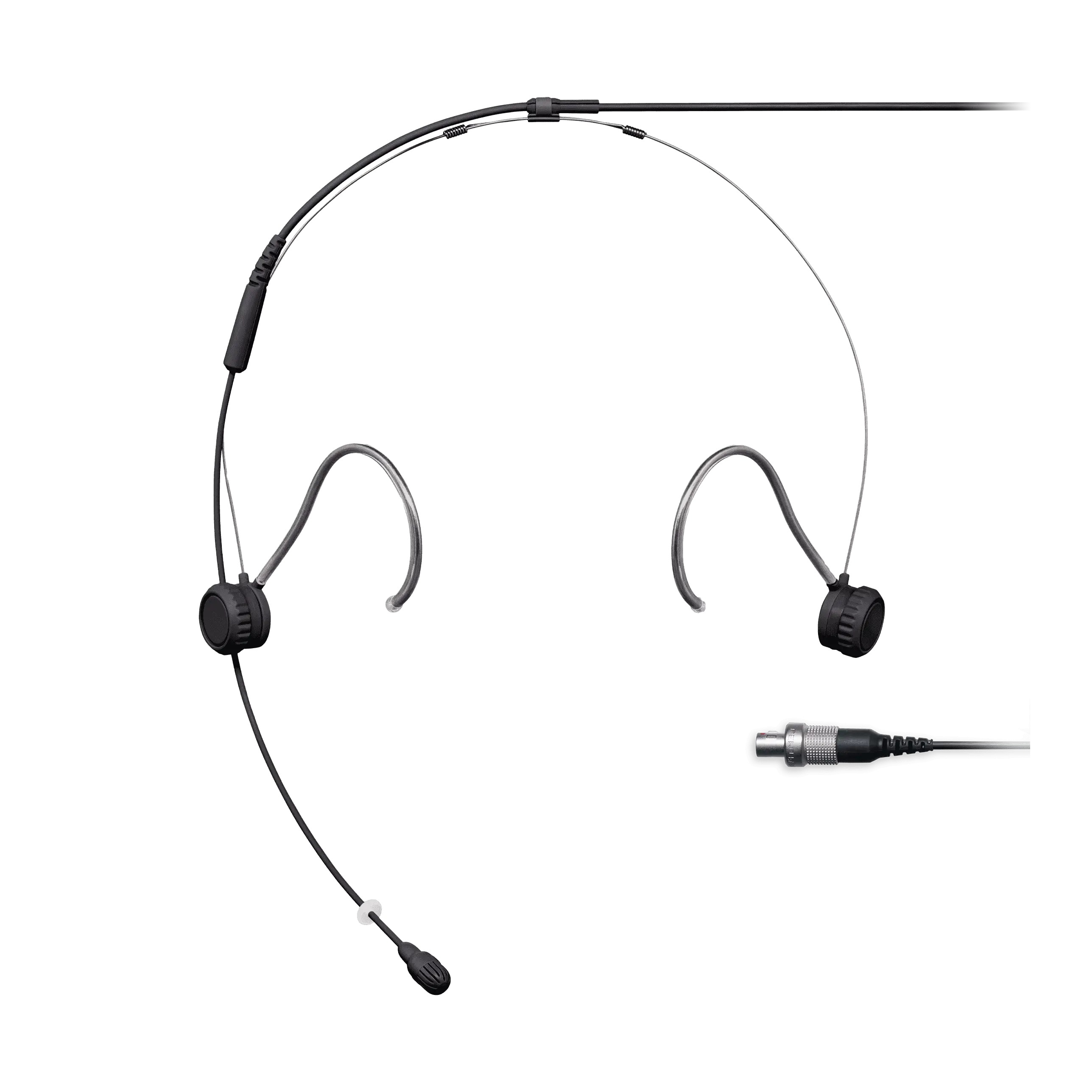 TH53TwinPlex™ TH53 Subminiature Headset MicrophoneLearn More
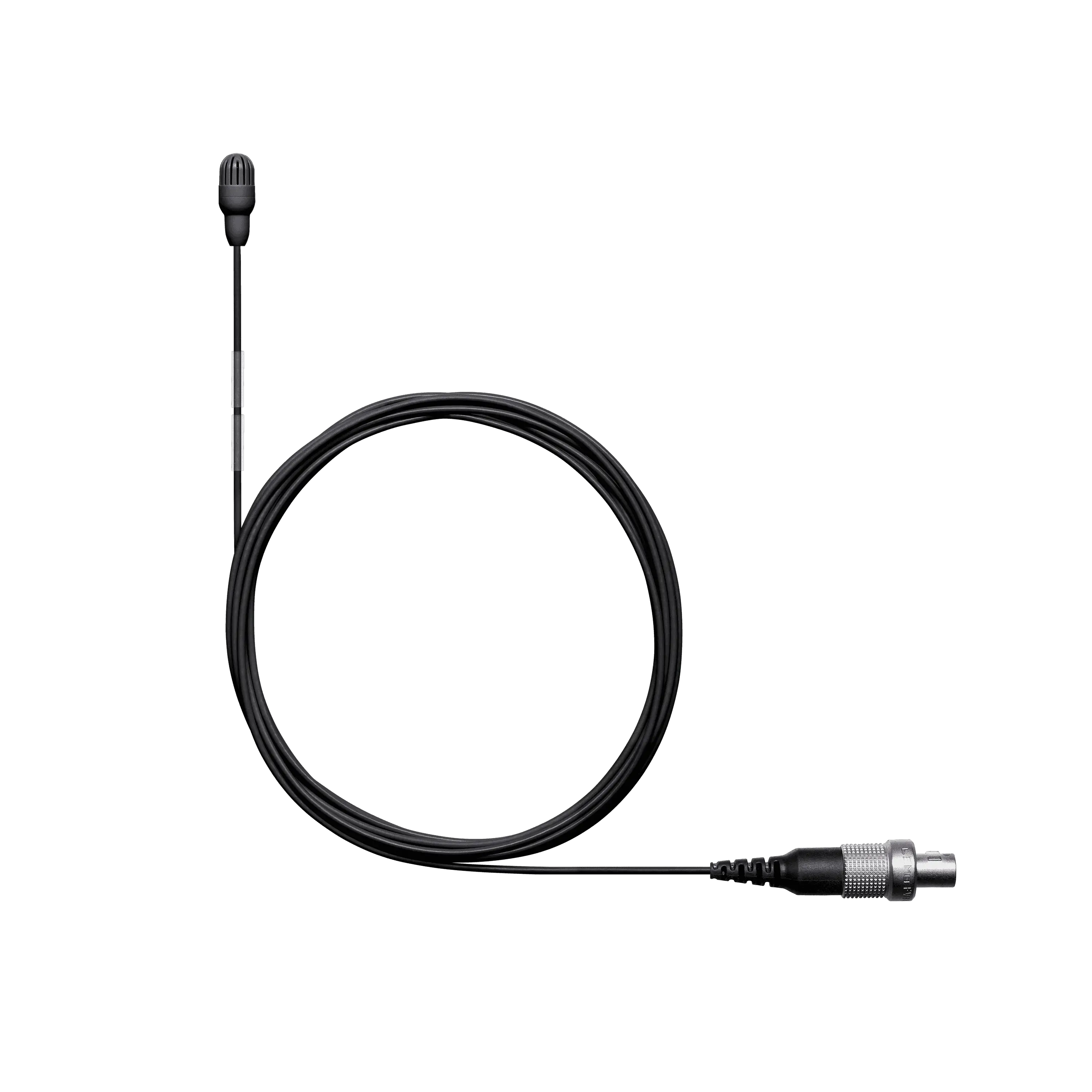 TL45TwinPlex™ TL45 Subminiature Lavalier MicrophoneLearn More
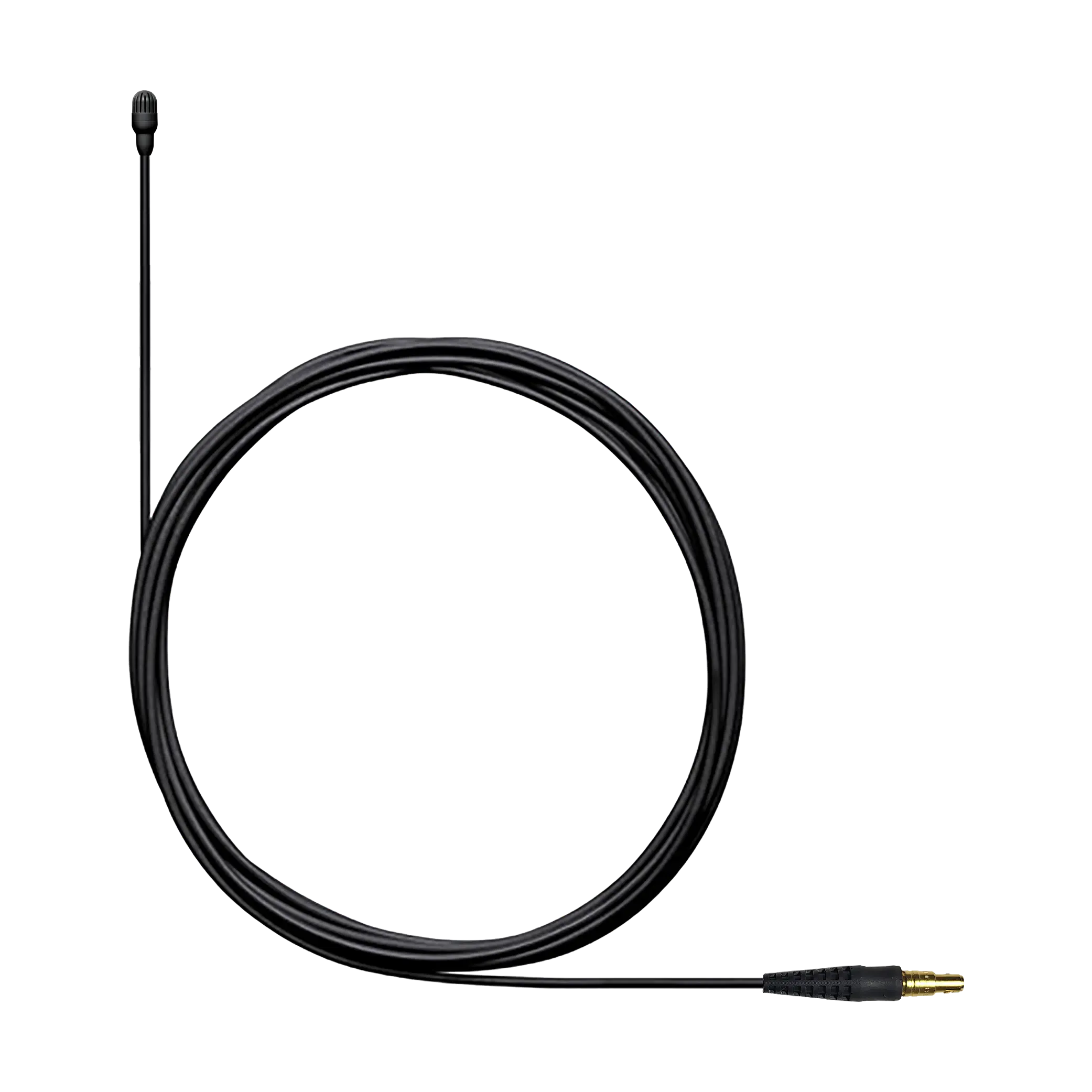 TL46TwinPlex™ TL46 Subminiature Lavalier MicrophoneLearn More
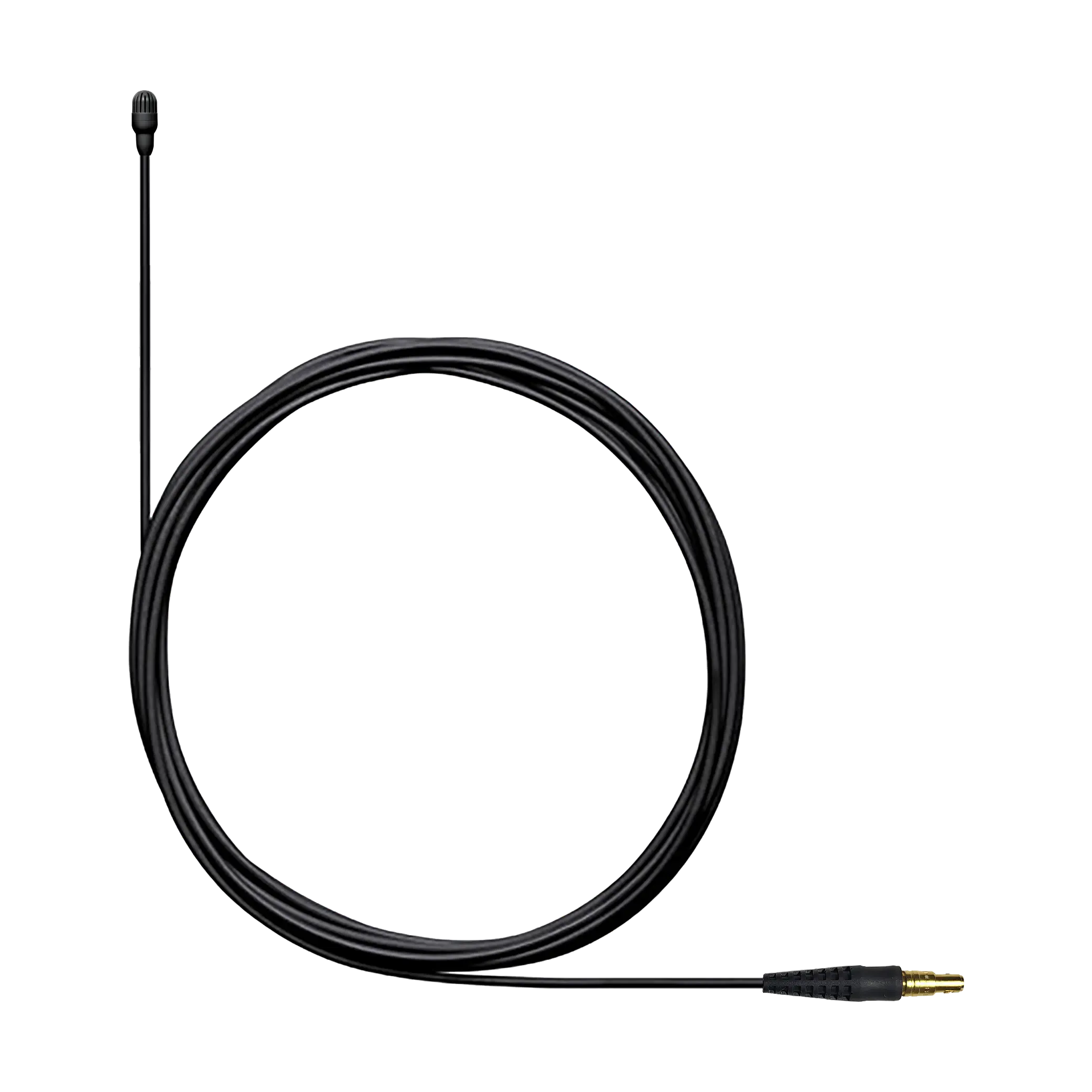 TL47TwinPlex™ TL47 Subminiature Lavalier MicrophoneLearn More
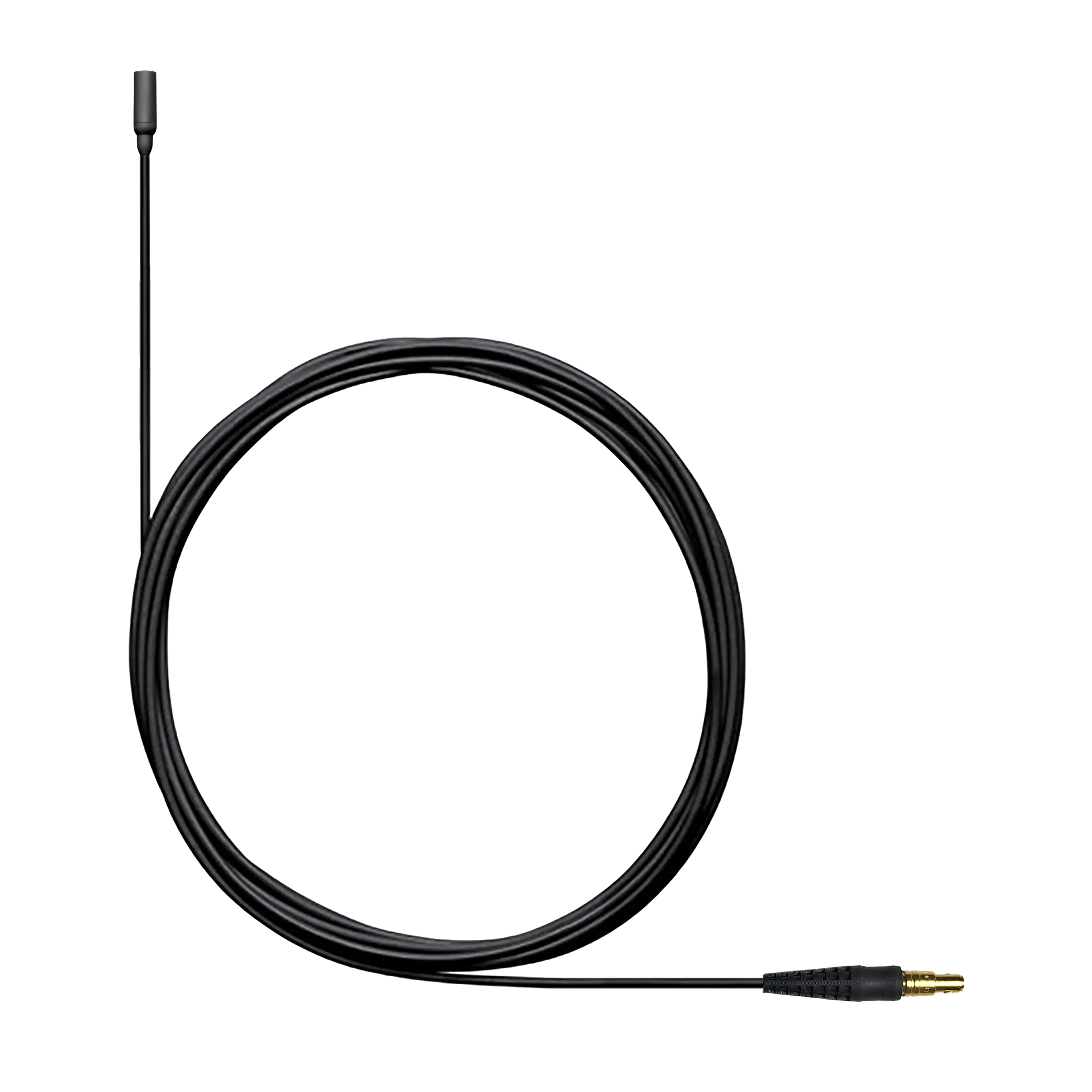 TL48TwinPlex™ TL48 Subminiature Lavalier MicrophoneLearn More
Related Stories

Axient Digital AD vs. ADX Series: What’s the Difference?
When choosing a professional wireless system, the differences between product tiers can sometimes feel confusing. Axient® Digital keeps things simple with one powerful receiver platform and two transmitter series: AD and ADX. Both deliver exceptional RF performance, audio quality, encryption, and spectrum efficiency, but ADX adds advanced tools for the most demanding productions. Understanding what they share—and where they differ—can help you choose the right solution with confidence.
Action Isolator Is Changing What Live Sports Broadcasts Sound Like
The sounds that define the game should lead the mix. Action Isolator is a professional audio processing software from Shure that isolates game audio in real time across up to eight channels and reduces crowd & ambient noise, with five AI-trained modes built for live sports broadcast.