Upgrading Your Church’s Audio System: Five Tips from a Church Tech

Editor's Note: This post was originally published in August 2012 and was updated in September 2026.
Key Takeaways
- Start with a thorough assessment of your existing church audio system before replacing equipment—some components may still provide value through repair, reuse, or repurposing.
- Address foundational sound system issues first, including speaker coverage, power, mix position, and system wiring, before investing in new gear.
- Develop a long-term church technology plan that balances immediate needs with future ministry goals and budget realities.
- Prioritize reliable, well-supported church audio equipment over the lowest price, and make purchasing decisions based on research and real-world requirements.
- Consider how audio, video, and production technologies work together, creating an integrated church AV system that supports effective communication and worship experiences.
Josh Isenhart is an audio engineer and consultant who works as a quality improvement lead with the engineering team at Sensory Technologies in Indianapolis. Previously, he worked for Indiana's largest rental and staging company and served as director of technical ministries at Lakeview Christian Church. His faith is his passion, so in his free time, he serves as a teaching pastor intern at Nehemiah Project Church.
Josh's experience in live production, church technology, and audio system design has given him a unique perspective on upgrading church sound systems. Having participated in countless budget discussions and technology planning conversations, he has developed a practical understanding of when to replace equipment, where to invest limited resources, and how to maximize the impact of an audio upgrade.
Here are five tips he shared for churches looking to improve their audio systems.
Tip 1: Evaluate Existing Equipment Before Replacing It
Before you start drafting a church audio equipment shopping list, assess the equipment you have on hand. Old doesn't mean unusable, and age alone shouldn't determine whether something needs to be replaced.
Think of all the people who trashed their tube amplifiers for solid-state stereos thirty years ago, only to find audiophiles preferring the warm sound of tube amps later.
So, take the time to examine your gear and consider questions such as:
- Does the equipment still function reliably?
- Is it worth repairing?
- Can it be repurposed for another application?
- Could another ministry or room benefit from it?
Tip 2: Address Core System Infrastructure First
Scrutinize your existing system, then deconstruct it piece by piece.
Speaker Selection and Placement
When evaluating a church audio system, start with the loudspeakers and their placement.
Ask:
- Do you have the correct type and quantity of speakers?
- Are they installed properly?
- Do they adequately cover the seating area?
Power & System Processing
A sound system can only perform as well as the infrastructure supporting it.
Consider:
- Is there sufficient power for the number of speakers in place?
- Are the amplifiers properly installed, with good ventilation and appropriate AC power?
- Is there appropriate ignal processing in place?
Mix Position
The location of the mixing console can have a significant impact on sound quality and system operation.
Ask:
- Is the sound board located where the operator can properly hear the listening environment?
- Is there enough physical space for the necessary equipment and personnel?
Wiring & Documentation
Good system design includes more than equipment selection.
Review:
- Has the system been wired neatly and logically?
- Were block diagrams and wiring layouts created during installation?
- Could any knowledgeable technician walk in and repair the system, or does it only make sense to the person who installed it and / or runs it?
Tip 3: Evaluate Your Needs and Develop a 3–5 Year Plan
One of the most valuable investments you can make in your church audio system is the time spent developing a strategic plan based on your church's current and future gear needs.
The best sound systems are built on a foundation of communication between church leadership, administrators (for instance, the budget committee) the worship staff, and technical teams.
Consider:
- Short-term goals: What's broken or needs to be addressed immediately?
- Mid-term goals: Which upgrades should be prioritized over the next few years?
- Long-term goals: What capabilities will your church need in the future, and how can you build them over time?
- Establish a budget for maintenance, equipment upgrades, and training, just as your church would for other technology systems.
Tip 4: Buy Smart, Not Cheap
You get what you pay for. If it sounds too good to be true, it probably is. You've heard those old saws before, but they're true.
Good church audio equipment is an investment. While it can be tempting to focus primarily on price, long-term reliability and performance are often far more important than short-term cost savings.
When evaluating new equipment, consider:
- Don't buy anything (cords, cables, mics, speakers, mixing boards, really anything in your system) just because the price is low. Buy it because you know it will work well and reliably.
- Seek advice from trusted sources, including other churches, church technology publications, seminars, workshops, and experienced AV professionals.
Once you understand exactly what you want your church audio system to accomplish—and which products can help achieve those goals—you'll be in a much better position to make informed purchasing decisions.
Tip 5: Think Beyond Audio
Church technology is no longer limited to sound reinforcement alone. As you consider upgrading an existing church audio system or installing a new one, think about how audio, video, and production technologies work together to support the overall worship experience.
The size of the congregation is not always the deciding factor. Today, effective communication often depends on integrating audio and visual technologies in ways that help engage and connect with the audience.
Budgeting for a Church Audio System Upgrade
One of the most common questions churches ask is, "How much should we budget for a new sound system?" The answer depends on far more than attendance alone.
A meaningful audio upgrade should start with your ministry goals. Consider how the system will support worship, speech intelligibility, volunteer workflows, livestream production, and future growth. A church with 300 attendees and a weekly livestream may have very different requirements than a similarly sized congregation focused primarily on in-person services.
When planning a budget, consider factors such as:
- Room size, layout, and acoustics
- Worship style and production requirements
- Wireless microphone needs
- Livestream and recording capabilities
- Ease of operation for staff and volunteers
- Long-term scalability and support
Rather than focusing on a specific dollar amount, work with a trusted integrator or audio professional to define your goals and identify the technology that best supports your ministry both today and in the years ahead.
Additional Church Audio Upgrade Tips:
- Don't be afraid to try new things.
- It's okay to buy used.
- Cover your basic needs. Worry about bells and whistles later.
- Don't get sold. Arm yourself with the facts.
- Look for package deals. Some companies will reduce their prices if you buy a bundle of gear.
- Build relationships with local dealers, contractors and repair shops.
- Don't skimp on anything, especially the sound board, speakers and amplification.
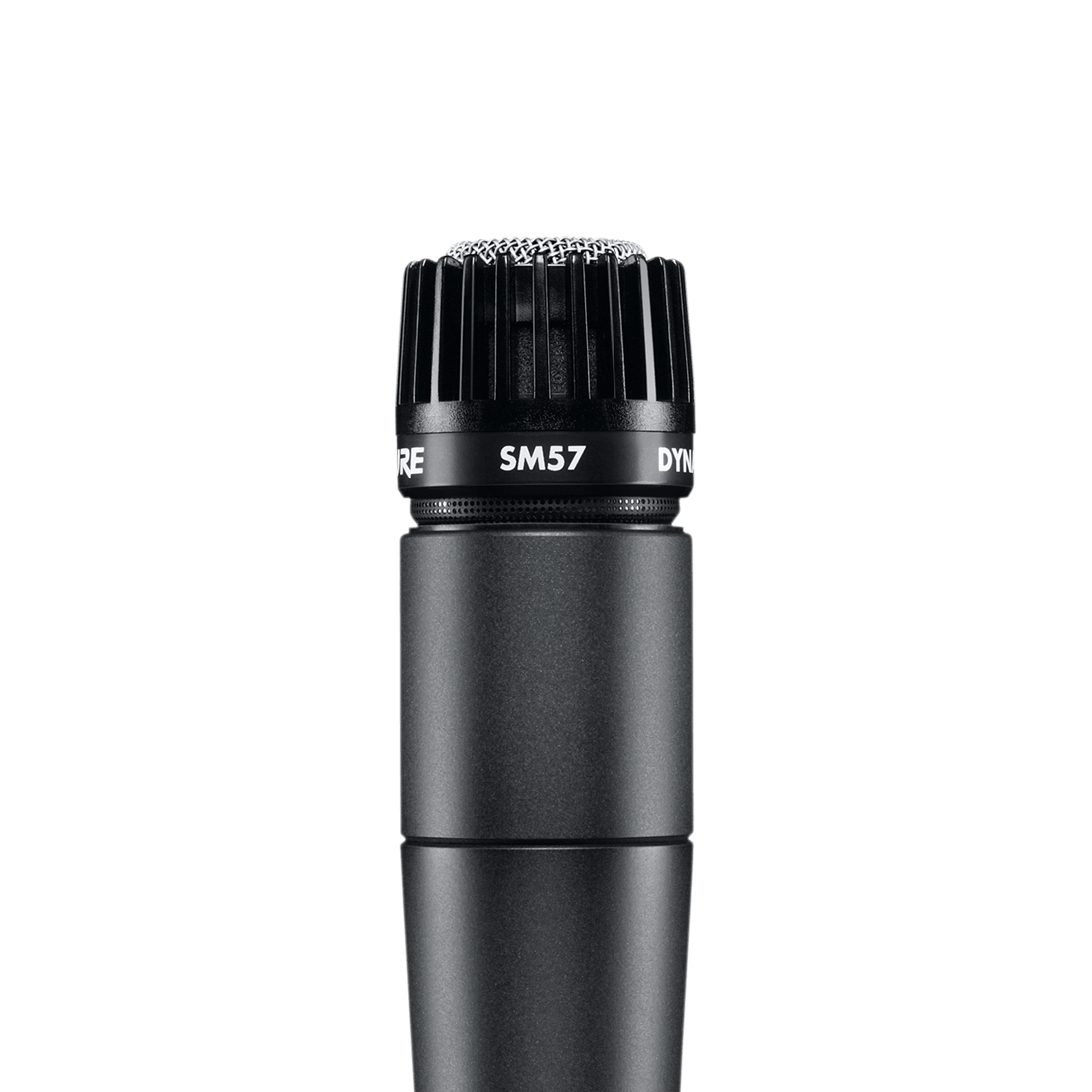
- Get durable, all-purpose microphones. If you're starting out with a small budget, buy as many SM57s and BETA 58A®s as you can. You can use them for anything, and they last forever.
Final Thoughts
The bottom line: good sound is good sound. A church building is a performance space, so all the usual rules of sound reinforcement apply. With careful planning, smart purchasing decisions, and a long-term strategy, churches can make meaningful audio improvements without overspending.
For additional guidance on church audio systems, worship technology, and sound system planning, visit Shure's House of Worship Resource Center for educational content, best practices, and technology resources.
FAQ: Church Audio System Upgrades
What should a church upgrade first in its audio system? Before purchasing new equipment, evaluate your existing system and focus on foundational issues such as speaker coverage, system power, mix position, and wiring. These areas often have a greater impact than adding new equipment.
How often should a church plan for audio system upgrades? Rather than making decisions for one upgrade at a time, develop a 3–5 year plan that addresses immediate needs while supporting future ministry goals and growth.
Is it okay to buy used church audio equipment? Yes. Used equipment can be a practical option when it is reliable, well-maintained, and appropriate for your application and long-term goals.
How much should a church budget for a sound system upgrade? There is no single answer. Budget requirements depend on factors such as attendance, ministry goals, system requirements, and future growth plans.
What is the biggest mistake churches make when upgrading audio systems? Making purchasing decisions based solely on price. A more effective approach is to identify your ministry's needs first, then select equipment that will perform reliably and support those objectives over time.