
Passive Or Active – Choosing a Conferencing Loudspeaker

Effective communication in today's hybrid world relies on an audio signal chain that is clear and complete, from the moment speech is captured to the moment it is played back. The Shure Microflex Loudspeaker portfolio delivers high-quality speech reproduction for AV conferencing. Now offered in both passive and networked (active) options, these speakers provide the final, crucial link in the Shure audio signal chain, from microphone to DSP to loudspeaker.
Choosing between passive and networked loudspeakers depends entirely on the room's infrastructure, design goals, and budget constraints. The Microflex Loudspeaker family offers robust solutions designed to excel in all environments, ensuring the selection of optimal technology to meet specific project requirements.
Technical and Deployment Considerations
Shure's approach guarantees that regardless of the technology selected, audio excellence and seamless integration are preserved across the Microflex Ecosystem.
Networked (Active) Loudspeakers
Networked loudspeakers (also referred to as active loudspeakers) integrate a PoE/PoE+ powered amplifier and digital signal processing (DSP) capabilities directly within the speaker enclosure. This allows them to receive power, control data, and digital audio from a network switch, all over a single Ethernet cable.
Ideal Application & Key Benefits
- Streamlined Infrastructure: They benefit from highly simplified, consolidated cabling, requiring only one Ethernet cable per speaker for power and signal.
- Decentralized Processing: They offer centralized control and advanced audio features through the integrated DSP within the enclosure.
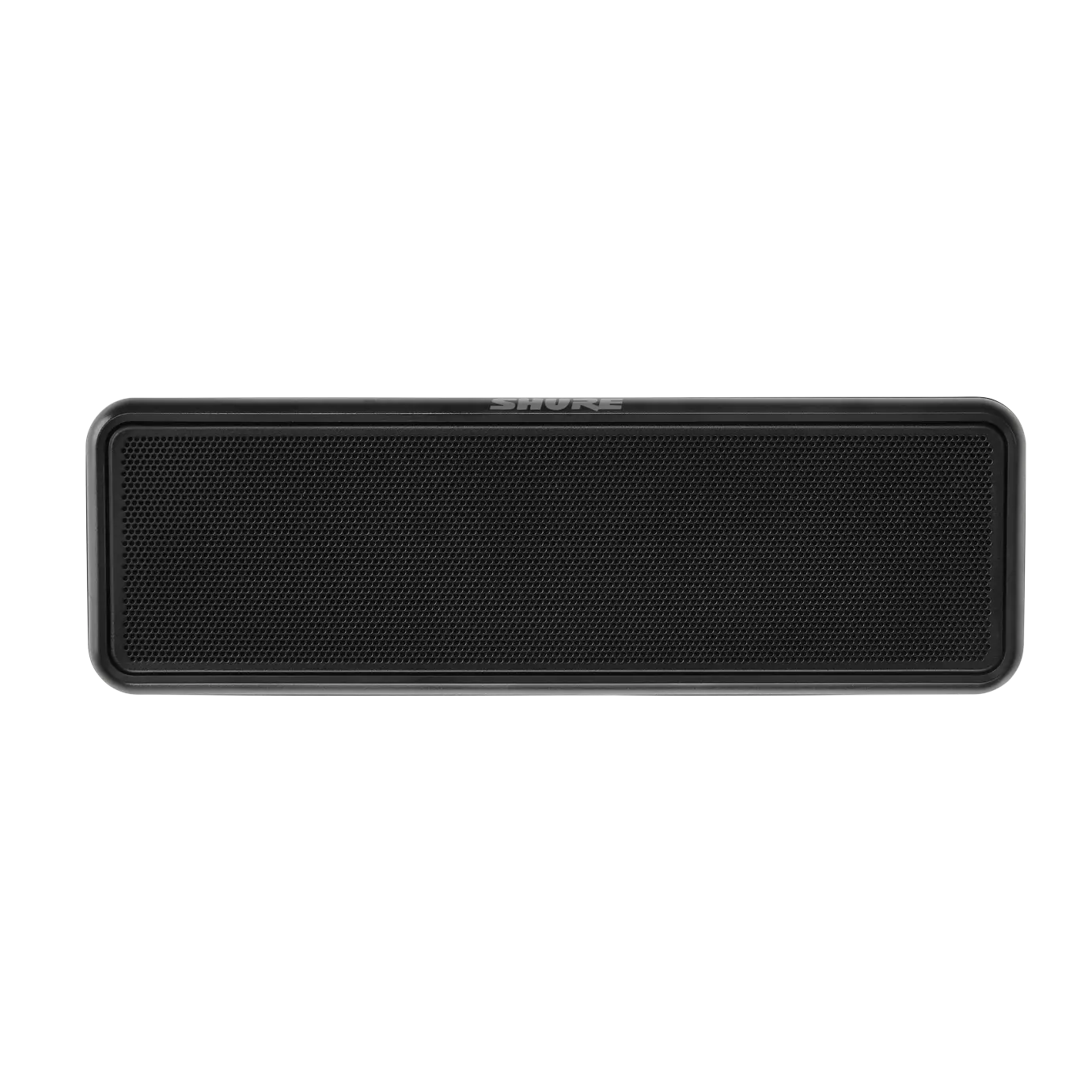
- Reduced Equipment Footprint: Networked options, such as the MXN-6 and MXN5W-C, eliminate the need for an outboard amplifier, significantly reducing installation complexity and cost.
- Seamless Digital Integration: They offer simplified integration within the Microflex ecosystem.
- UC Certification: The networked models are fully certified for seamless integration with leading platforms like Microsoft Teams and Zoom, ensuring a reliable and supported experience within these ecosystems.
Passive Loudspeakers
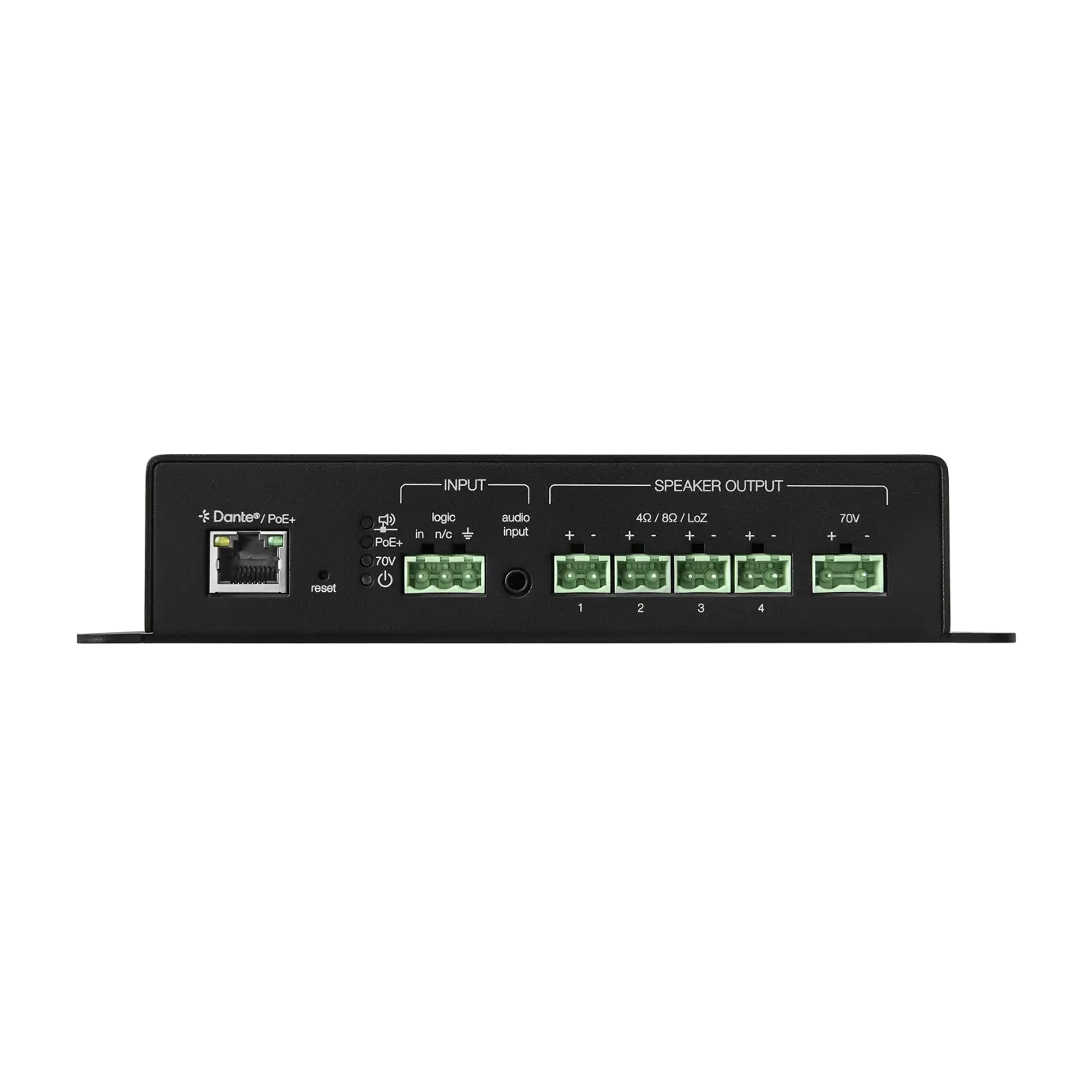
Passive loudspeakers provide a highly cost-efficient approach and streamlined installation for conferencing audio. Since they do not contain internal amplification, passive loudspeakers rely on an external amplifier (such as the MXN-AMP) for power. This allows all speakers in a zone to be driven by a single external amplifier.
Ideal Application & Key Benefits
Passive loudspeakers are ideal in environments that require flexibility in form factors and are sensitive to cost and power usage.
- Cost Efficiency and Power Usage: They offer a highly cost-efficient solution with potentially lower overall power usage compared to a distributed active system.
- Scalable Deployment: Passive solutions require only one network port for all speakers, connecting easily to a single external amplifier.
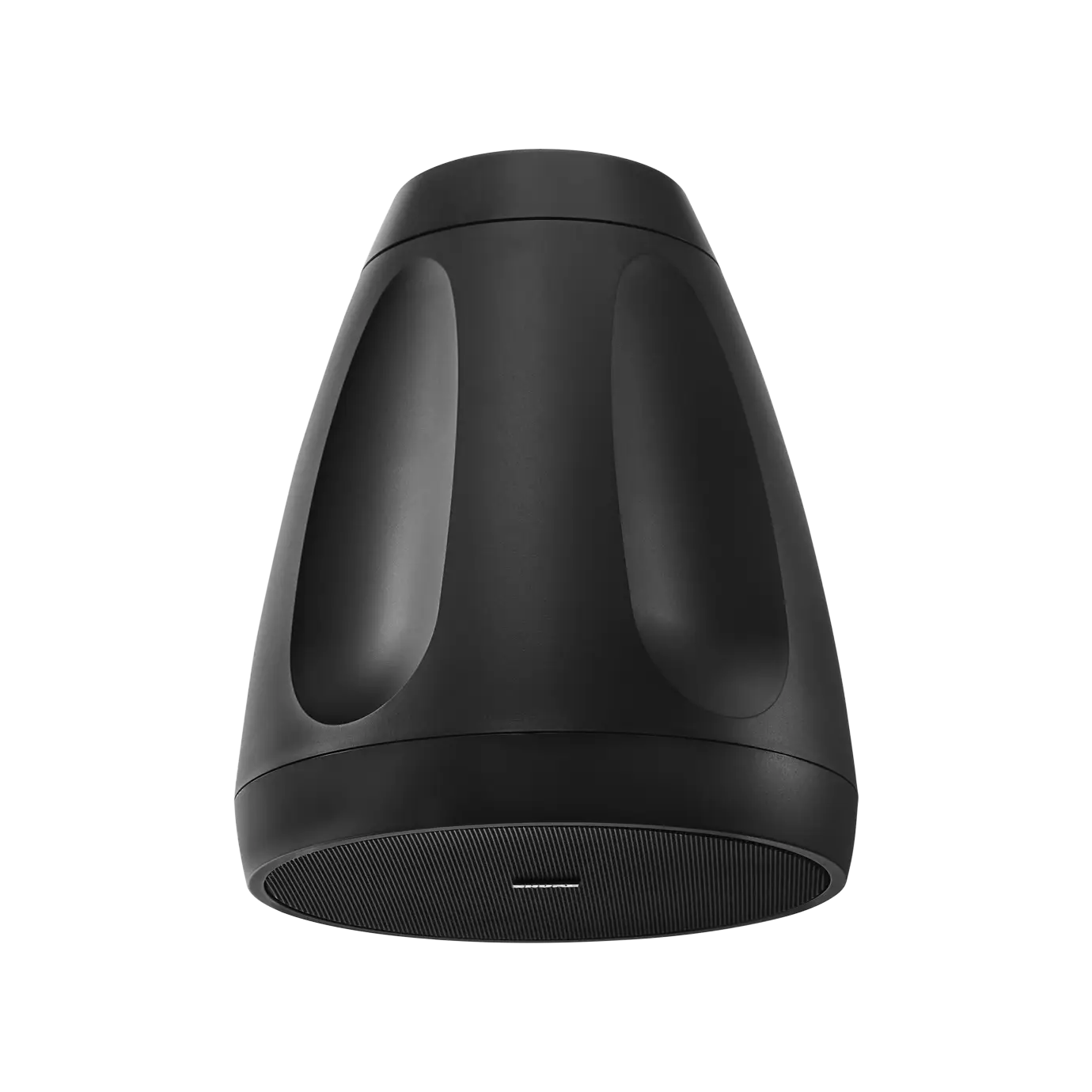
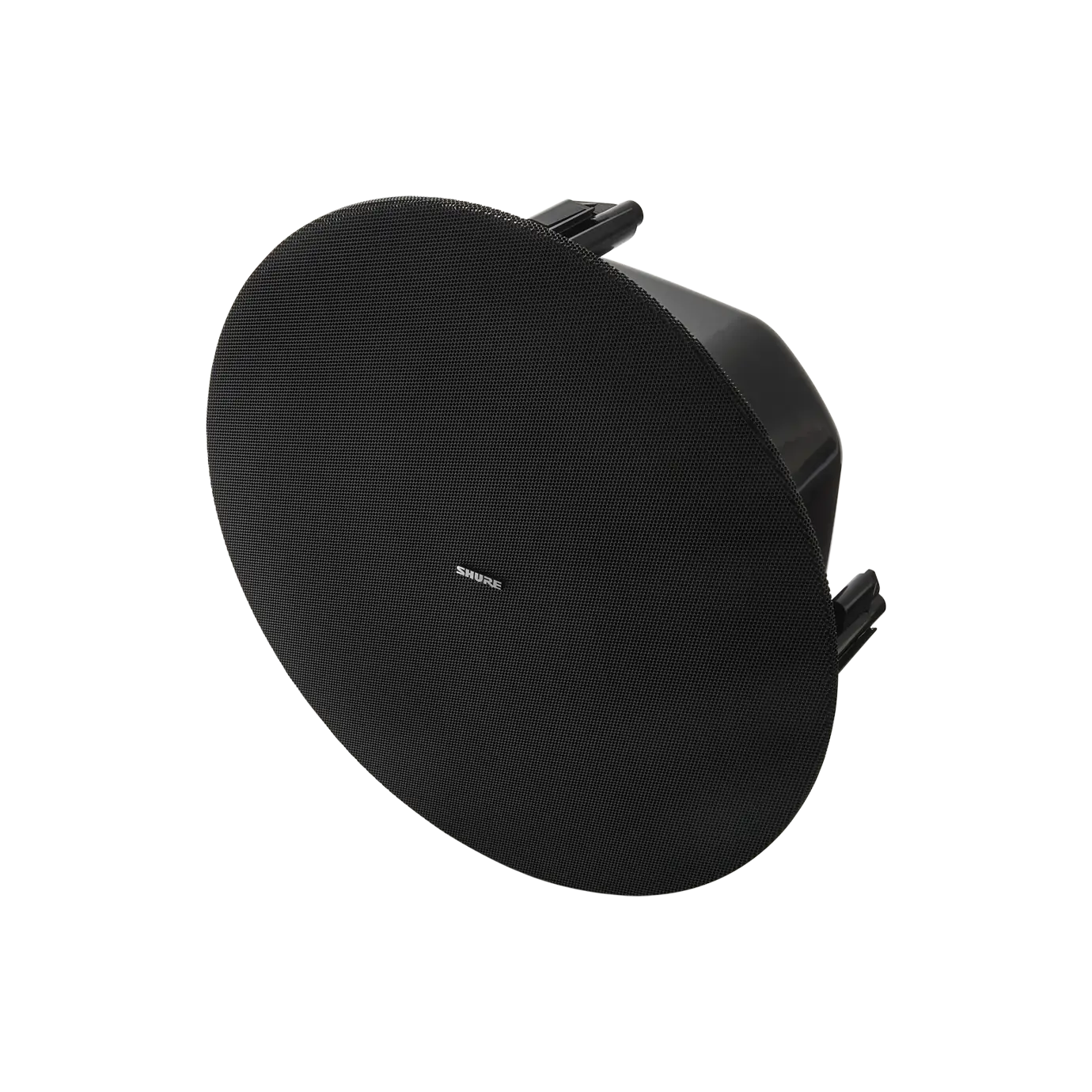
- Diverse Form Factor Variety: Passive options, including the MXP-1, MXP-3, MXP-5, and MXP-6, offer extensive scalability and a wide variety of form factors to meet specific aesthetic or architectural room requirements.
- Analog Compatibility: They are an excellent option if frequent integration with analog audio sources is required.
- UC Certification: The passive models carry certification for seamless integration with leading platforms like Microsoft Teams and Zoom.
Where does Shure come in?
The Shure Microflex Loudspeaker portfolio is designed to ensure that whether your project demands the consolidated cabling of a networked solution or the cost-efficiency and form factor variety of a passive design, you can implement a tailored, high-quality solution.
By providing the final link in the audio chain with robust options for both active and passive deployments, Shure empowers AV Integrators and End-Users to deploy systems that are consistent, reliable, and perfectly suited to the unique demands of any modern collaborative space.
Learn more about Shure’s Microflex Portfolio here.

Related Products and Accessories

Related Stories

ITOKI Case Study: Creating Better Hybrid Meetings with MXA920
How can organizations create hybrid meeting experiences where remote participants feel as engaged as those in the room? At its headquarters and working showroom in Tokyo, Japan, ITOKI addressed this challenge by combining innovative meeting room design, intelligent camera tracking and Shure audio solutions.
From Meeting Challenges to Measurable ROI: Rethinking Collaboration Investment
Chris Merrick explores how IT leaders can move from everyday meeting-room technology barriers to measurable collaboration ROI. Drawing on IDC research, he explains how to make the business case for modern collaboration environments by connecting better meeting experiences to productivity, support efficiency, AI readiness, and long-term value.
The Best Video Conferencing Solutions For Higher Education: Zoom and Shure
Hybrid and flexible learning continue to shape how colleges and universities engage students both in and outside the classroom. Zoom helps support collaboration across learning environments, while Shure solutions help deliver the clear communication needed for effective participation and engagement.


