
How to Choose the Best Lavalier Microphone

Key Takeaways
- The best lavalier microphone depends on your application, whether you're recording video, delivering presentations, performing on stage, or capturing spoken word content.
- Understanding the differences between wired and wireless lavalier microphones can help you balance reliability, mobility, and overall workflow requirements.
- Choosing the right lavalier microphone pickup pattern—including omnidirectional, cardioid, and supercardioid options—can significantly impact vocal clarity and background noise rejection.
- Proper lavalier microphone placement is essential for achieving clear, natural-sounding audio and minimizing distractions caused by clothing or movement.
- Shure offers a range of lavalier and lapel microphones designed for different environments, performance needs, and professional applications.
When diving into sound recording and reproduction, the lavalier microphone is a popular choice for miking speakers, presenters, performers, and on-camera talent.
Often termed a ‘lapel mic,’ or just ‘lav’ for short, the lavalier microphone has been a crucial tool in broadcast, film, and live event productions due to its small size and ability to be placed intimately on talent. Its design as a shirt microphone, the lavalier is intended to be discreetly clipped onto attire, which has been the reason we often herald the small clip microphone as the go-to gear for ensuring flawless audio for both video and speeches.
The History and Evolution of Lavalier Microphones
For those unfamiliar, you might wonder, “What is a lavalier mic?” The name finds its roots in French, referring to a pendant necklace. This term captures the essence of its design, hinting at its discreetness. Over time, lavalier microphones have become a common choice for broadcasting, theater, houses of worship, public speaking, and other applications where clear audio and minimal visibility are important.
Wired vs. Wireless Lavalier Microphones
As you dive deeper into selecting the best lavalier microphone tailored for your needs, one of the first decisions is whether a wired or wireless solution is the right fit.
Wired lavalier microphones have traditionally been valued for their simplicity, reliability, and cost-effectiveness. However, wireless lavalier microphone systems have become increasingly popular, offering greater freedom of movement using bodypack transmitters.
For theater performers, presenters, educators, and public speakers, a wireless lavalier microphone can provide the flexibility to move naturally without the restrictions of cables, helping create a more engaging experience for audiences.
Understanding Sound Directionality in Lavalier Mics
There are several choices to make when it comes to lavaliers. One of the most essential decisions rests with the microphone’s directionality. A microphone's polar pattern determines how it captures sound from different directions and can have a significant impact on audio quality, background noise rejection, and overall performance.
We’ll provide an in-depth comparison of omnidirectional and unidirectional lavalier mics.
Omnidirectional Lavalier Microphones: As the name suggests, omnidirectional lavalier microphones capture sound from all directions. Their 360-degree sound response delivers in settings where the ambient noise is important or where the user may frequently turn their head.
For instance, while recording a bustling marketplace for a documentary or capturing the whispers and gasps of an audience during a live event, this type of mic stands unrivaled.
Unidirectional Lavalier Microphones: Precision is their game. These mics are laser-focused on the sound source they’re aligned with while reducing unwanted ambient noise. In busy environments, such as interviews conducted at crowded events, they can help isolate a speaker's voice from surrounding distractions.
Cardioid Lavalier Microphones: These microphones are designed to prioritize sounds coming from the front while effectively minimizing noise from the sides and the rear. This focused pickup pattern can help minimize room ambience and background noise in challenging environments.
Supercardioid Lavalier Microphones: As the name implies, these are more directional than standard cardioid microphones. They further reduce sensitivity to side noises but slightly increase rear sensitivity. Nevertheless, supercardioids excel at isolating specific sound sources and minimizing background interference.
The environment and application should play a major role in determining which lavalier microphone is best suited for your needs. Choosing the appropriate pickup pattern can help ensure clear, consistent audio while minimizing unwanted noise.
How to Properly Place a Lavalier Microphone on Clothing
Proper lavalier microphone placement can have a significant impact on sound quality. While a lavalier microphone generally finds its home near the chest, the ideal placement often depends on the clothing being worn and the requirements of the production.
Consider these common placement approaches:
- Shirts & Blouses: This attire is often a favorite for many professionals. Place the shirt microphone above the sternum and run the cable discreetly inside, ensuring the microphone remains visible.
- Ties: Ties provide a natural mounting location for a lavalier microphone. Position the microphone above the sternum and keep the cable hidden behind the tie, ensuring optimal sound.
- T-Shirts & Sweaters: When these are your choice of attire, fasten the lav mic to the collar, ensuring minimal friction with the neck. Slight adjustments might be needed to get the sound right.
In the entertainment industry, it’s not uncommon to see the lavalier strategically placed within an actor’s hair or wigs. This placement guarantees that every dialogue delivered hits the right note while the microphone is not visually or physically intrusive to the performer.
Proper microphone placement is often just as important as selecting the right microphone. Taking the time to position a lavalier microphone correctly can help improve clarity and support more natural-sounding recordings.
Choosing the right lavalier microphone can make or break the outcome of the audio recording. Whether you’re a professional in broadcasting and theater or a novice looking to elevate your audio game, we're here to help. Let’s dive into some of Shure's best lavalier microphone options.
Shure Lavalier Microphone Options
Shure CVL-TQG
Begin your lavalier microphone journey with the CVL-TQG mic. Designed as an entry-level unidirectional lavalier microphone, this Shure lapel mic ensures clear sound quality, making it especially ideal for speeches, presentations, and other spoken word applications.

Shure WL184M
When the environment gets noisy, the WL184M’s supercardioid design emerges as a beacon of clarity. Designed for situations demanding pinpoint sound precision, supercardioid lavalier microphone provides impressive voice isolation while minimizing unwanted background noise.

Shure WL185M
Meet the all-rounder, the WL185M mic. Its cardioid design captures a broad sound area, ensuring a harmonious clarity and ambient noise mix. It is a favorite for dynamic setups at houses of worship and public speaking events. The WL185M is one of the bestselling Shure lavaliers used in various scenarios for speech representation and recording.

Shure UniPlex UL4
For the pros requiring unmatched clarity, the UL4 stands tall. The UniPlex cardioid lavalier microphone is the perfect solution for speaking situations when rejection of sound from stage noise, an audience, or other nearby presenters is called for. This utilizes the 1.6 mm Plex Cable, the best-in-class cable for all Plex Lavaliers, and it is made to last exponentially longer in the field due to its design and quality manufacturing. UniPlex is offered in four colors and three connector types and ships with a protective case, snap-fit windscreen, and a tie clip.

Shure DuraPlex DL4
Take on any environment with the DuraPlex DL4. This IP57-rated waterproof and dust-resistant professional lavalier microphone ensures unwavering audio consistency, whether indoors or outdoors. This utilizes the 1.6mm Plex cable, the best-in-class cable for all Plex Lavaliers. DuraPlex lav mics are available in four colors and two connector types.

TwinPlex Lavaliers
TwinPlex Lavaliers stands as a testament to subtle power. Its low-profile design doesn’t compromise sound quality, ensuring it’s discreet and effective, perfect for on-camera and the best lavalier microphones for theater. These mics have a 1.1mm Plex cable, which is versatile and extremely thin for placement on performers and talents. TwinPlex lavaliers are available in four colors.

Finding the Right Lavalier Microphone for Your Needs
In the search for the best lavalier microphone or lapel microphone, understanding your specific application is key. Factors such as microphone directionality, wired versus wireless operation, placement requirements, and the recording environment can all influence which solution is the right fit.
Whether you're capturing dialogue for video production, delivering a presentation, leading a service, or performing on stage, Shure offers lavalier microphone solutions designed for a wide range of professional applications.
With this beginner’s guide for selecting lavaliers, you’re well-equipped to make an informed choice, ensuring that your sound game is nothing short of perfect.
FAQ: Common Questions About Lavalier Microphones
What's the difference between a lavalier microphone and a lapel microphone? There is no practical difference in this context. A lavalier microphone is often referred to as a lapel microphone, lapel mic, or simply a lav.
Should I choose a wired or wireless lavalier microphone? That depends on your application. Wired lavalier microphones are often chosen for their simplicity and reliability, while wireless lavalier systems provide greater freedom of movement for presenters, performers, and speakers.
Are all lavalier microphones omnidirectional? No. Lavalier microphones are available with several pickup patterns, including omnidirectional, cardioid, supercardioid, and other directional options, each suited to different environments and recording needs.
Why is lavalier microphone placement important? Proper placement helps achieve clear, natural audio and can reduce issues caused by clothing, movement, or unwanted background sounds. Even small positioning adjustments can make a noticeable difference in the final result.
How do I choose the best lavalier microphone for my needs? Start by considering your environment, mobility requirements, desired pickup pattern, and intended application. Matching those factors to the microphone's capabilities can help you find the right solution for presentations, theater, broadcast, video production, or other spoken-word applications.

Related Products and Accessories
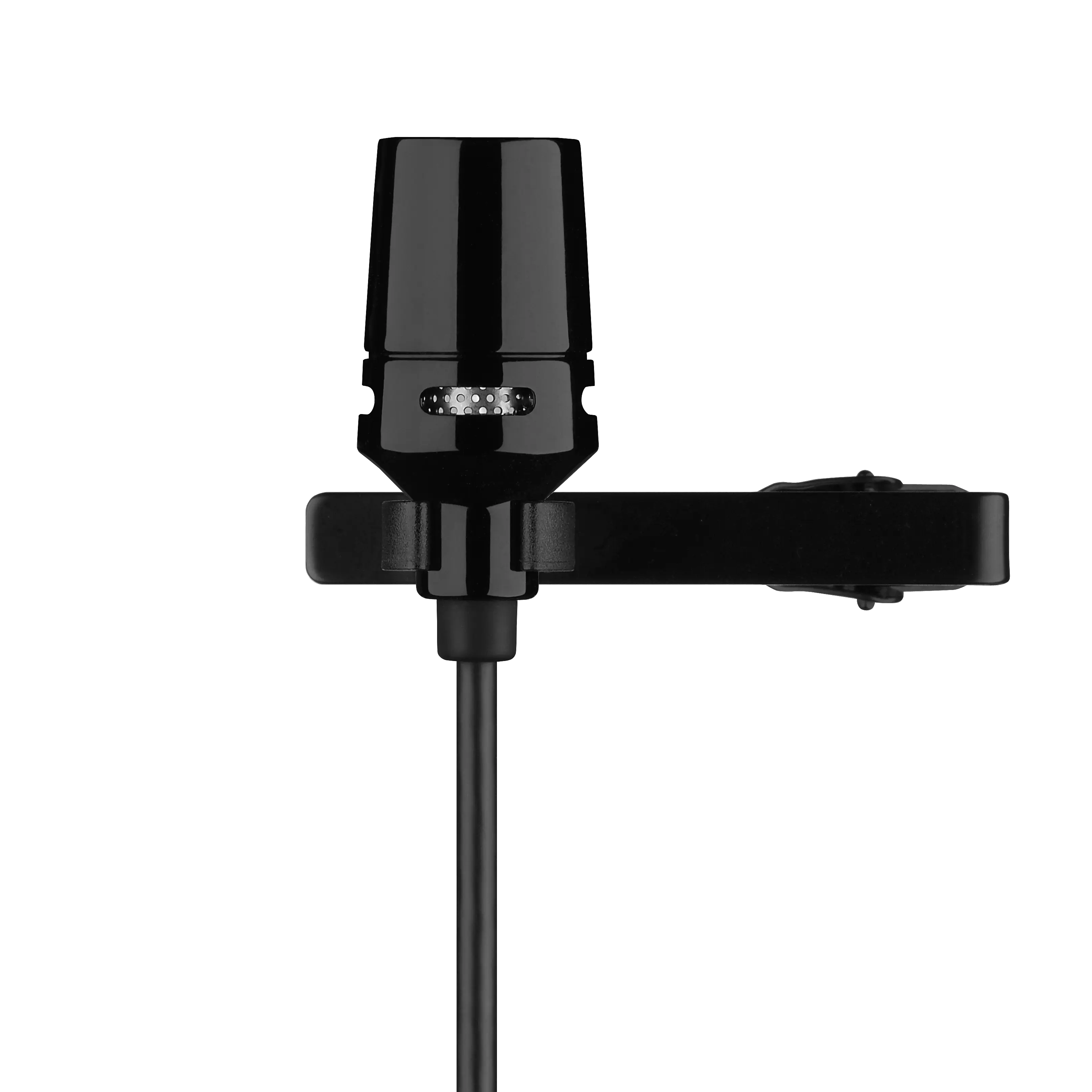 CVLCentraverse Lavalier Condenser Microphone
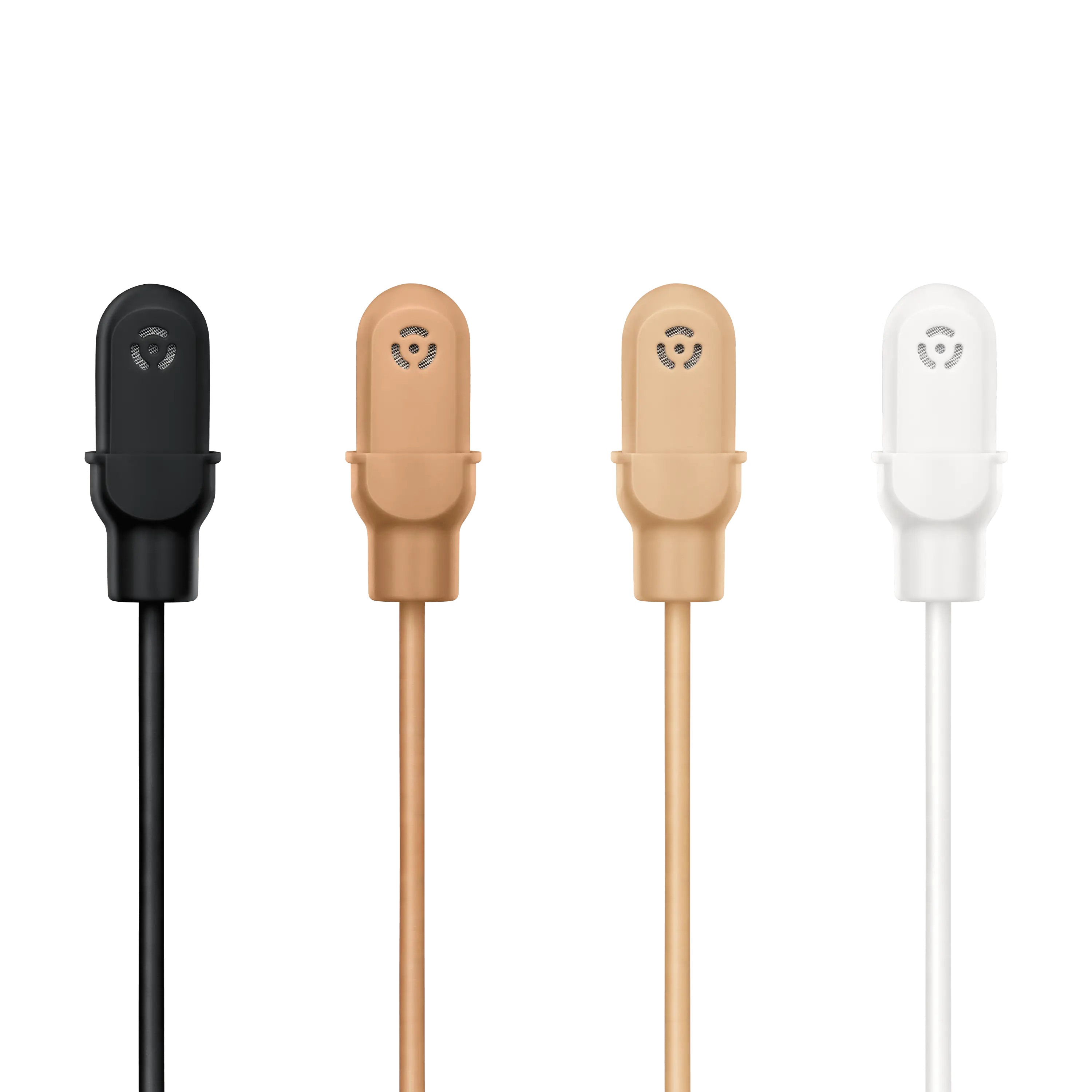 DL4DuraPlex Omnidirectional Subminiature Waterproof MicrophoneLearn More
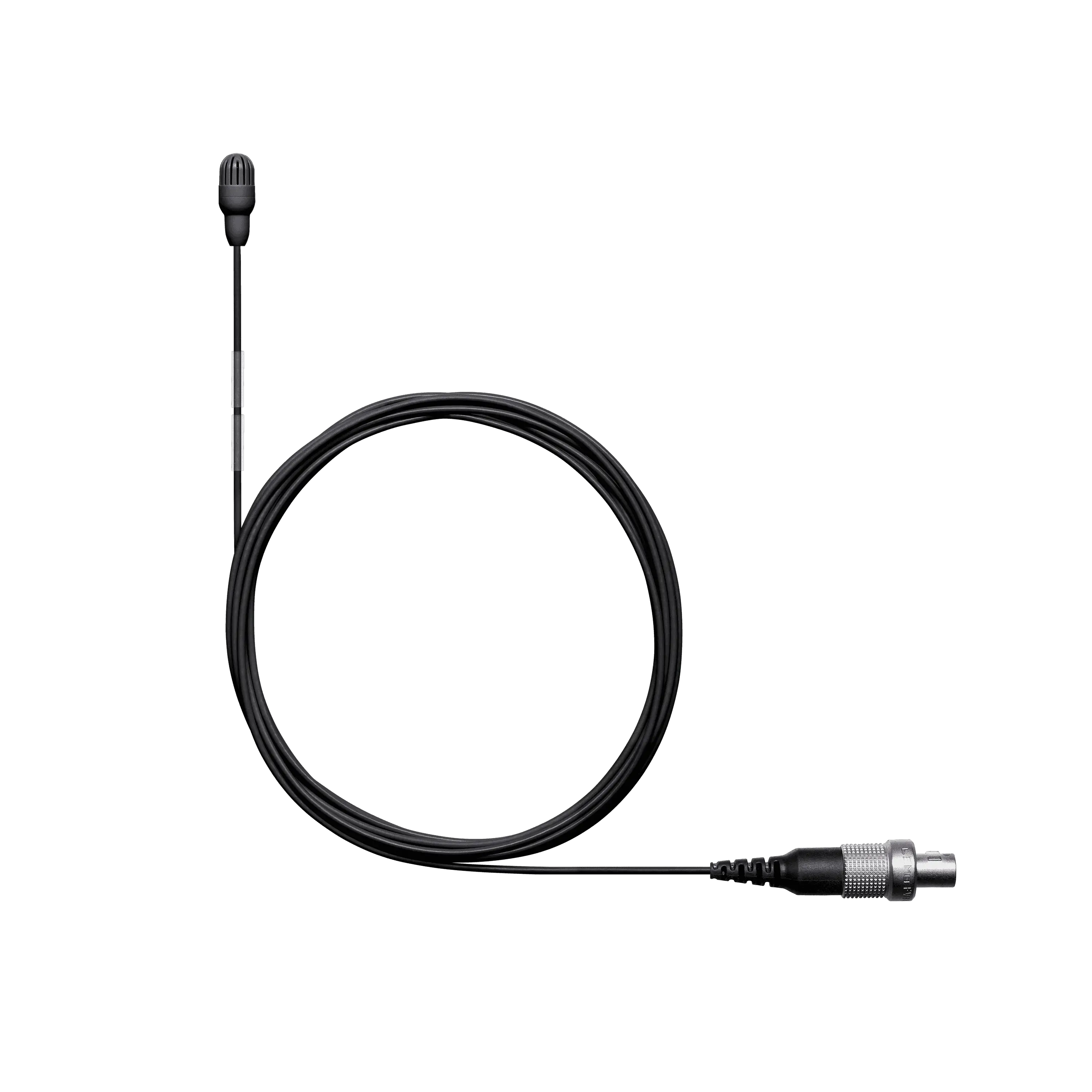 TL45TwinPlex™ TL45 Subminiature Lavalier MicrophoneLearn More
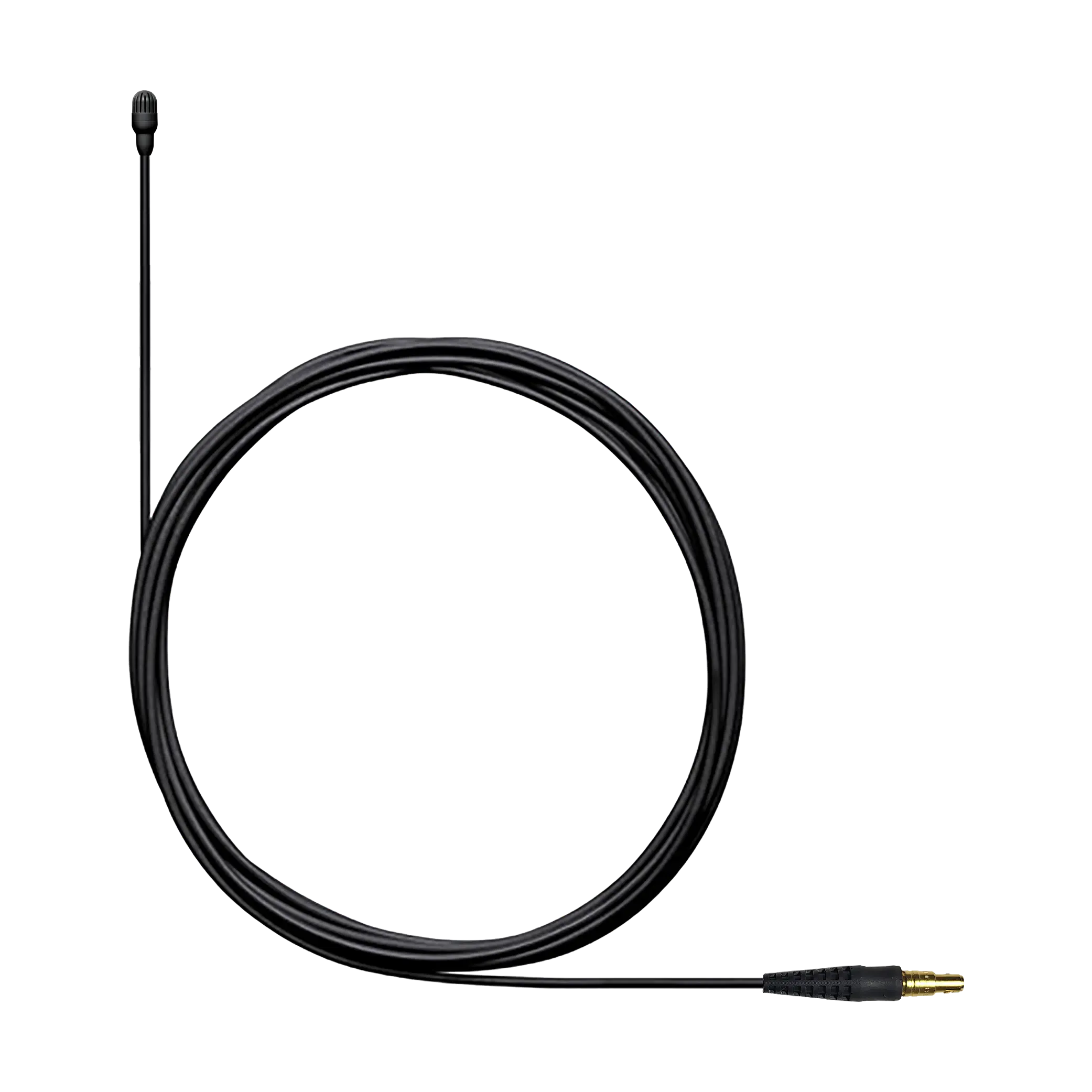 TL46TwinPlex™ TL46 Subminiature Lavalier MicrophoneLearn More
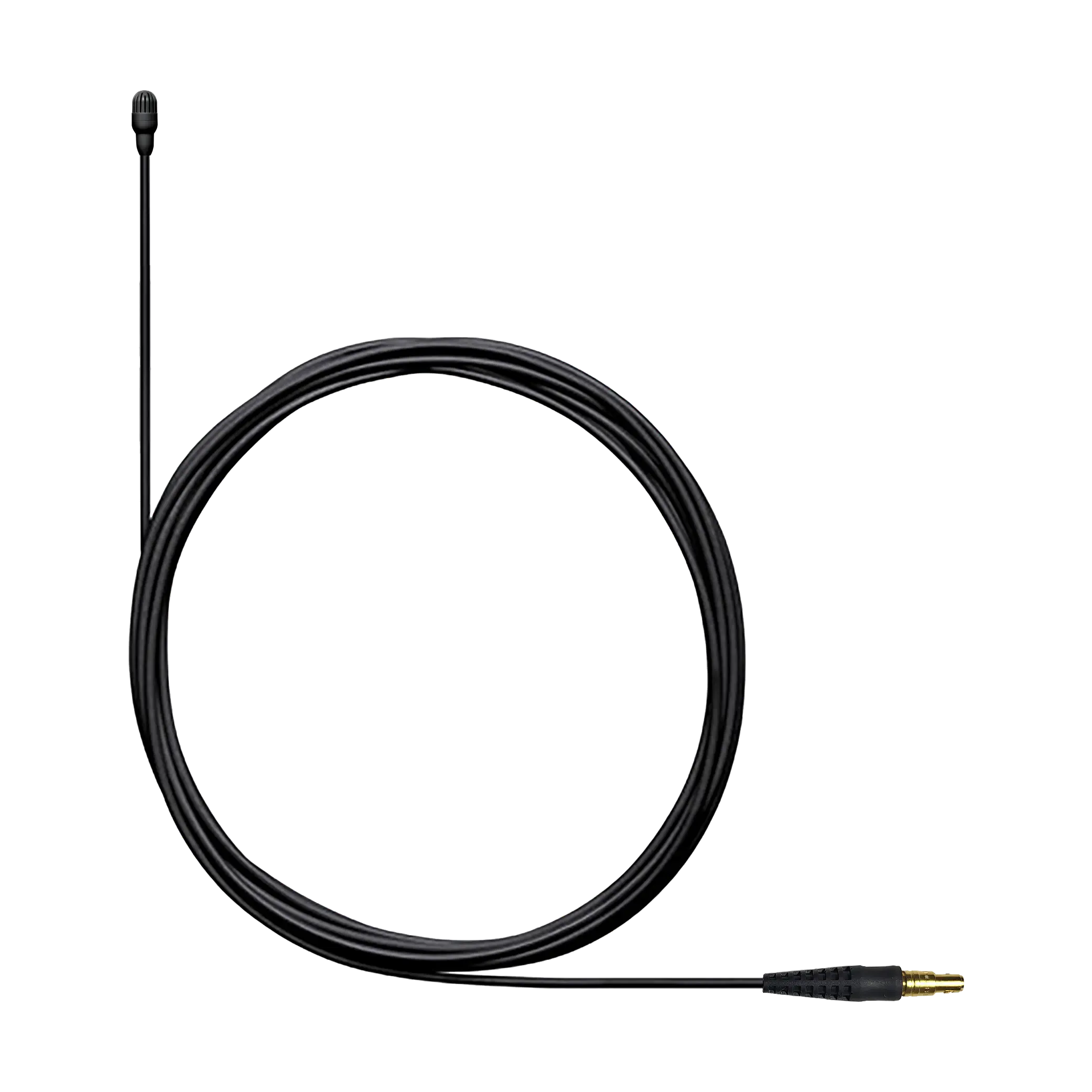 TL47TwinPlex™ TL47 Subminiature Lavalier MicrophoneLearn More
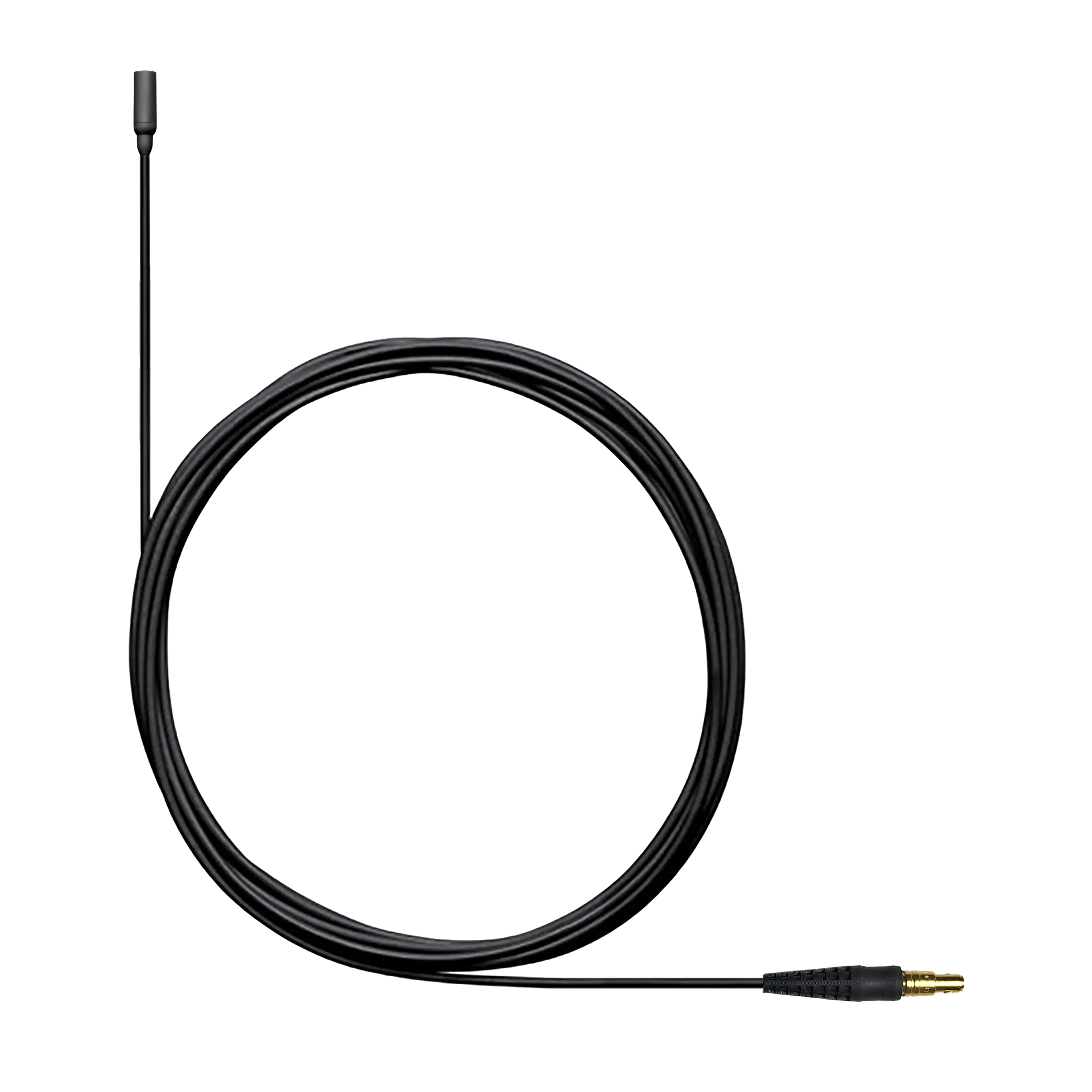 TL48TwinPlex™ TL48 Subminiature Lavalier MicrophoneLearn More
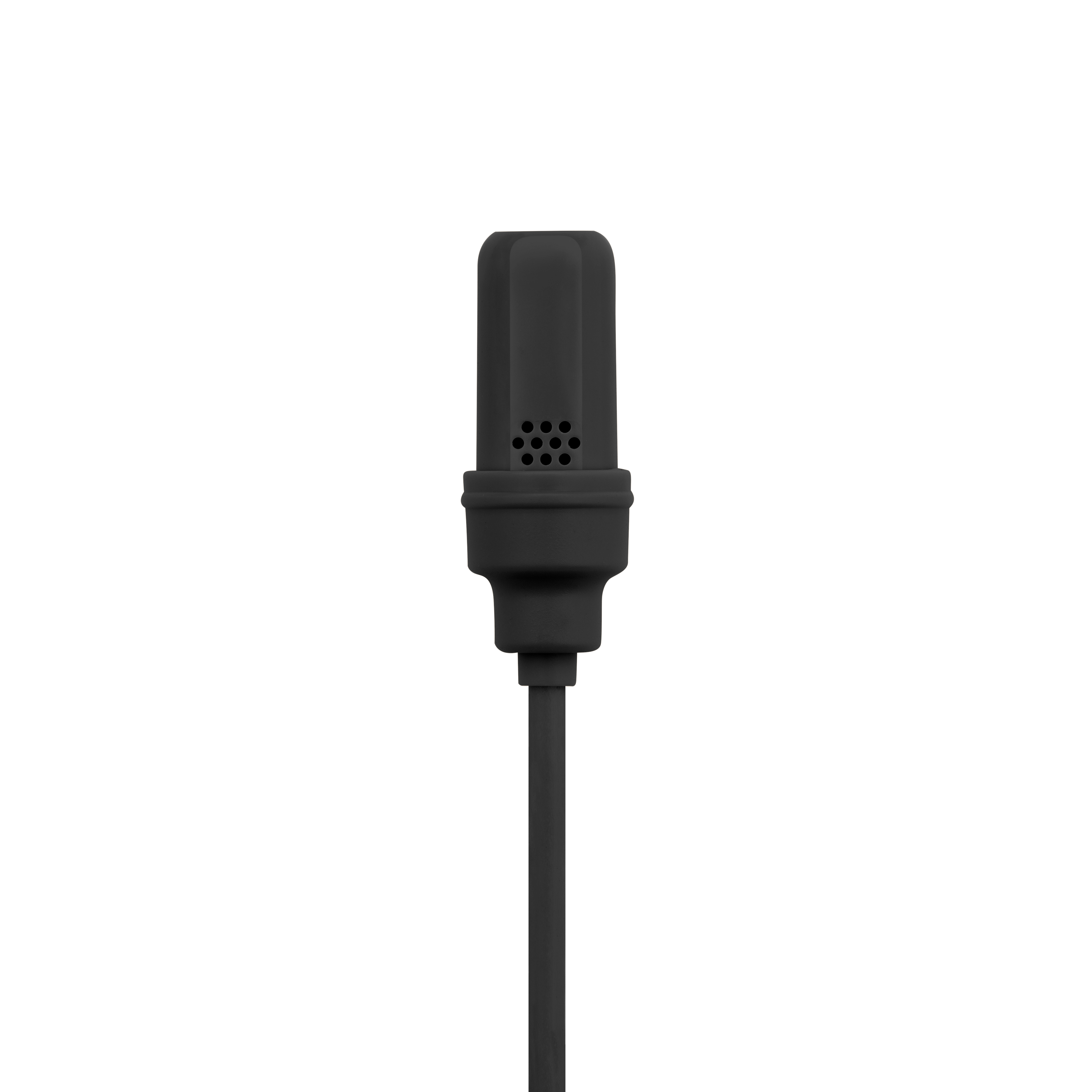 UL4UniPlex Cardioid Lavalier Microphone
Related Blogs

Axient Digital AD vs. ADX Series: What’s the Difference?
When choosing a professional wireless system, the differences between product tiers can sometimes feel confusing. Axient® Digital keeps things simple with one powerful receiver platform and two transmitter series: AD and ADX. Both deliver exceptional RF performance, audio quality, encryption, and spectrum efficiency, but ADX adds advanced tools for the most demanding productions. Understanding what they share—and where they differ—can help you choose the right solution with confidence.
Action Isolator Is Changing What Live Sports Broadcasts Sound Like
The sounds that define the game should lead the mix. Action Isolator is a professional audio processing software from Shure that isolates game audio in real time across up to eight channels and reduces crowd & ambient noise, with five AI-trained modes built for live sports broadcast.
What's the Difference Between the SM58 and the Beta58A?
The SM58 and Beta 58A are both reliable handheld vocal microphones with different pickup patterns, output levels, and tonal profiles. The SM58 has a cardioid pattern and familiar, forgiving SM-series vocal sound. The Beta 58A has a tighter supercardioid pattern, hotter output, extended response, and reduced handling noise.


