From the the SM58 to Nexadyne: 60 Years of Iconic Sound

What makes a microphone an iconic? It’s more than just sounding great. It’s about setting standards. Redefining what’s possible. And delivering both consistency and reliability day in and day out.
The SM58 has fundamentally changed the way people think of microphones. Originally intended to be a studio mic, it has since become an onstage stalwart that’s been the live performance benchmark for decades. This is a mic is so iconic it’s inspired an emoji.
But the SM58 has also spurred generations of Shure engineers to continue the pursuit of audio innovation over the years, as they look to break new ground in microphone technology.
Company founder Sidney N. Shure famously set the stage for this, once stating: “We know very well that absolute perfection cannot be attained, but we will never stop striving for it.”
True to that sentiment, the SM58 has undergone several improvements and upgrades over the course of its lifetime. Some of these changes were tweaks to materials and the manufacturing process. But the original trailblazing engineering remains largely the same.
Of course, newer Shure microphones haven’t attempted to replace the SM58 – they were developed rather for a specific application or to address a user need.

KSM8
Take, for example, the KSM8 Dualdyne, the world’s first dual diaphragm dynamic handheld microphone. The innovative cartridge inside this mic contains two ultrathin diaphragms (one active and one passive) and groundbreaking reverse airflow system. This practically eliminates the proximity effect (when lower frequencies are accentuated the closer you get to the mic) while providing exceptional off-axis rejection and unprecedented vocal clarity with minimal need for EQ and processing.
It also has a re-imagined Shure pneumatic shock mount featuring tuned cavities, specific resistances and precisely machined components fully integrated into the cartridge's acoustic properties. This means less handling noise without any loss of the KSM8’s low-frequency response.
Unlike the SM58, this microphone isn’t for everyone. It’s a premium dynamic mic meant for world-class vocal performances and presentations at elite venues.

MV7i
Another recent innovation at the Shure engineering labs is the MV7i, a dynamic vocal mic with a built-in audio interface – hence that lowercase ‘i’ at the end. This clever idea takes the original version of the MV7 – a digital mic popular with podcasters and streamers – and makes it easy to connect a second XLR microphone or ¼” instrument cable to a computer, tablet or smartphone. The first of its kind, the MV7i simplifies two-channel recording via USB-C.
So a podcaster can build a compact travel rig with just the MV7i, an SM58 and a laptop. Or a touring musician can plug in an instrument to the MV7i and lay down some vocals with musical accompaniment while recording two separate tracks to an iPhone. A microphone-interface combo – it’s such a simple solution, but it had never been done before!

SM7dB
This one was a long time coming. Knowing the original version is extremely gain hungry, the engineers at Shure had wanted to put an onboard preamp in the SM7B for quite a while. But there were patent issues to be worked out first. Fortunately, they were resolved in time to launch the SM7dB in time for 50th anniversary of the legendary broadcast microphone.
In the past, you needed a beefy audio interface or external preamp to boost the signal of the SM7B. So Shure engineers designed a custom preamp to keep the famous SM7 sound, but give it a boost of up to +28 dB. This makes it easy for podcasters, streamers and musicians to get professional vocals from any recording setup. It’s also great for anyone looking to take their mic on the road with a streamlined audio rig.

Nexadyne
The SM58 has undoubtedly earned its place on stages the world over after proving itself each day of the past 60 years. But Shure's engineers continue to innovate live performance mic technology. In fact, that’s exactly what they delivered with Nexadyne.
Every microphone in the Nexadyne line is built on the same foundation: Shure’s patented Revonic™ dual-engine transducer technology, tour grade construction, and a design philosophy that puts the musician first. Two matched transducers provide twice the amount of signal processing power. The result is a live performance microphone line that combines state-of-the-art acoustic signal processing and exceptional polar pattern stability. Simply put, two capsules working together provide richer and cleaner sound along with more rejection of unwanted stage and handling noise. And audio engineers, meanwhile, will have to do very little EQing or processing to get the mix just right.
"We have this brand new concept that we can do pretty cool things with," says Roger Grinnip, the Principal Engineer behind the Revonic breakthrough. "So it's kind of the next step in the evolution of the Shure dynamic microphones."

There are microphones for vocalists (Nexadyne 8/C and Nexadyne 8/S), guitarists (Nexadyne 5) and drummers (Nexadyne 2, Nexadyne 6).
Looking from the venerable SM58 to the latest cutting-edge Nexadyne mics, it's easy to see the ongoing process of innovation that’s keeps Shure working towards the next audio icon.

Related Products and Accessories
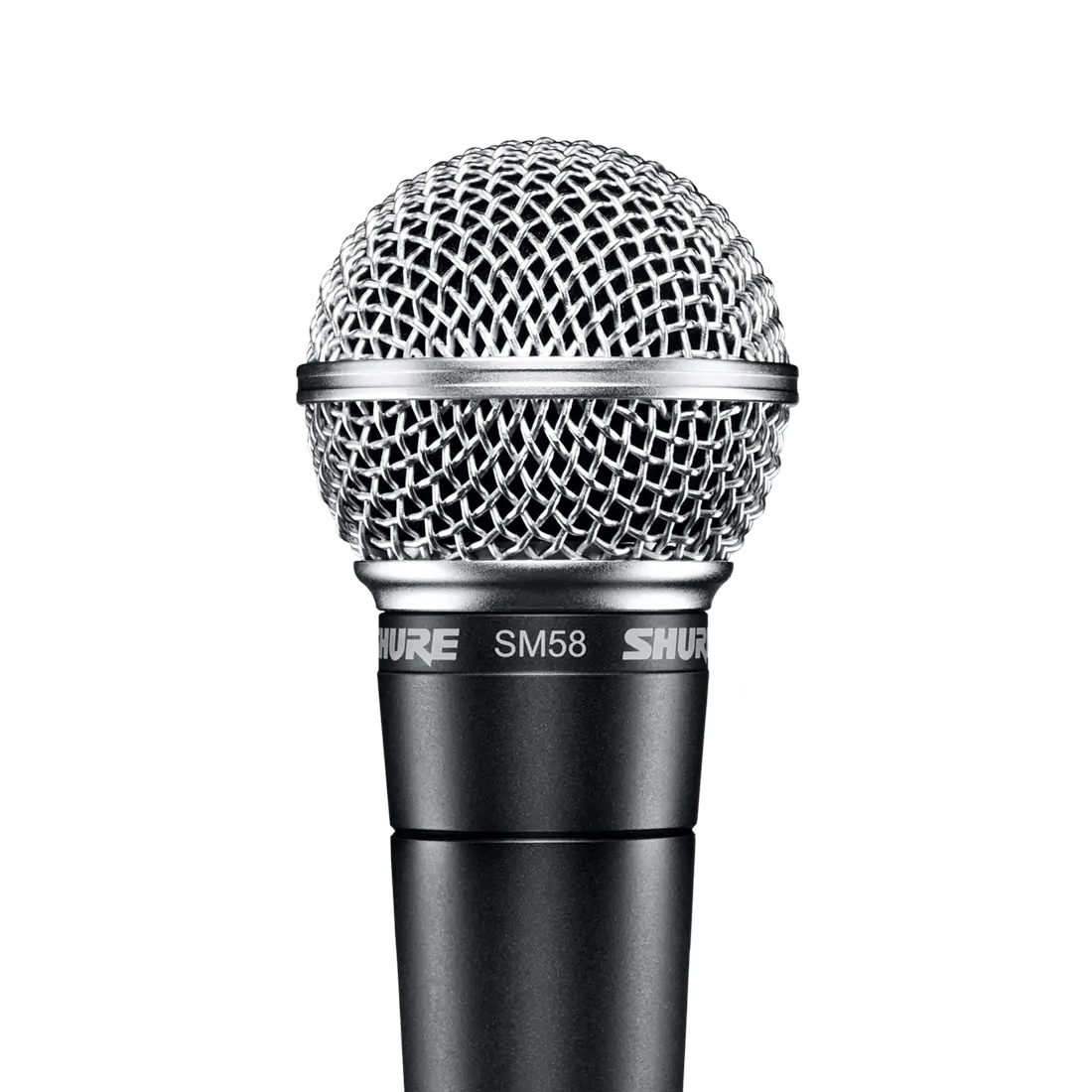 SM58Vocal Microphone
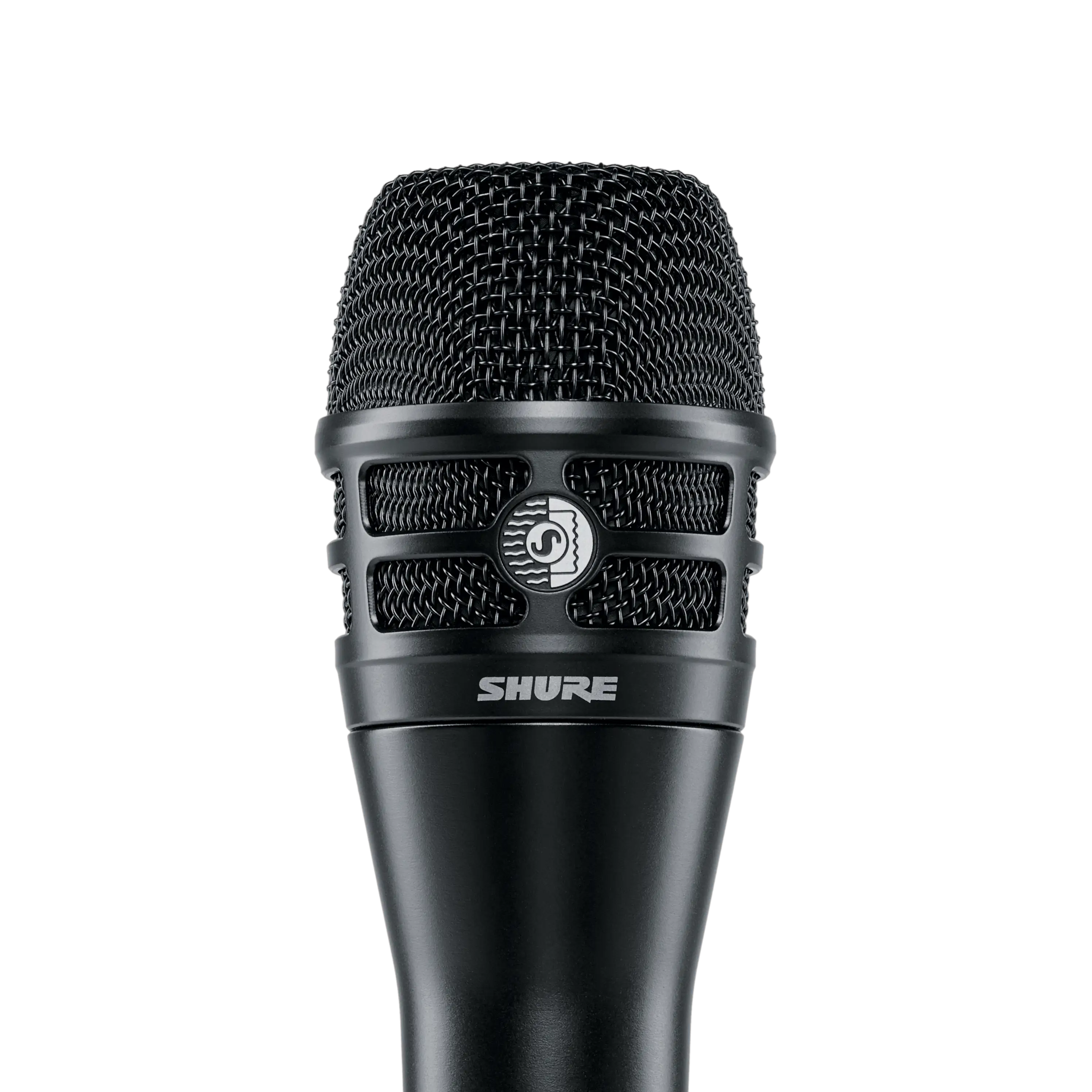 KSM8Dualdyne Cardioid Dynamic Vocal Microphone
 MV7iSmart Microphone & Interface
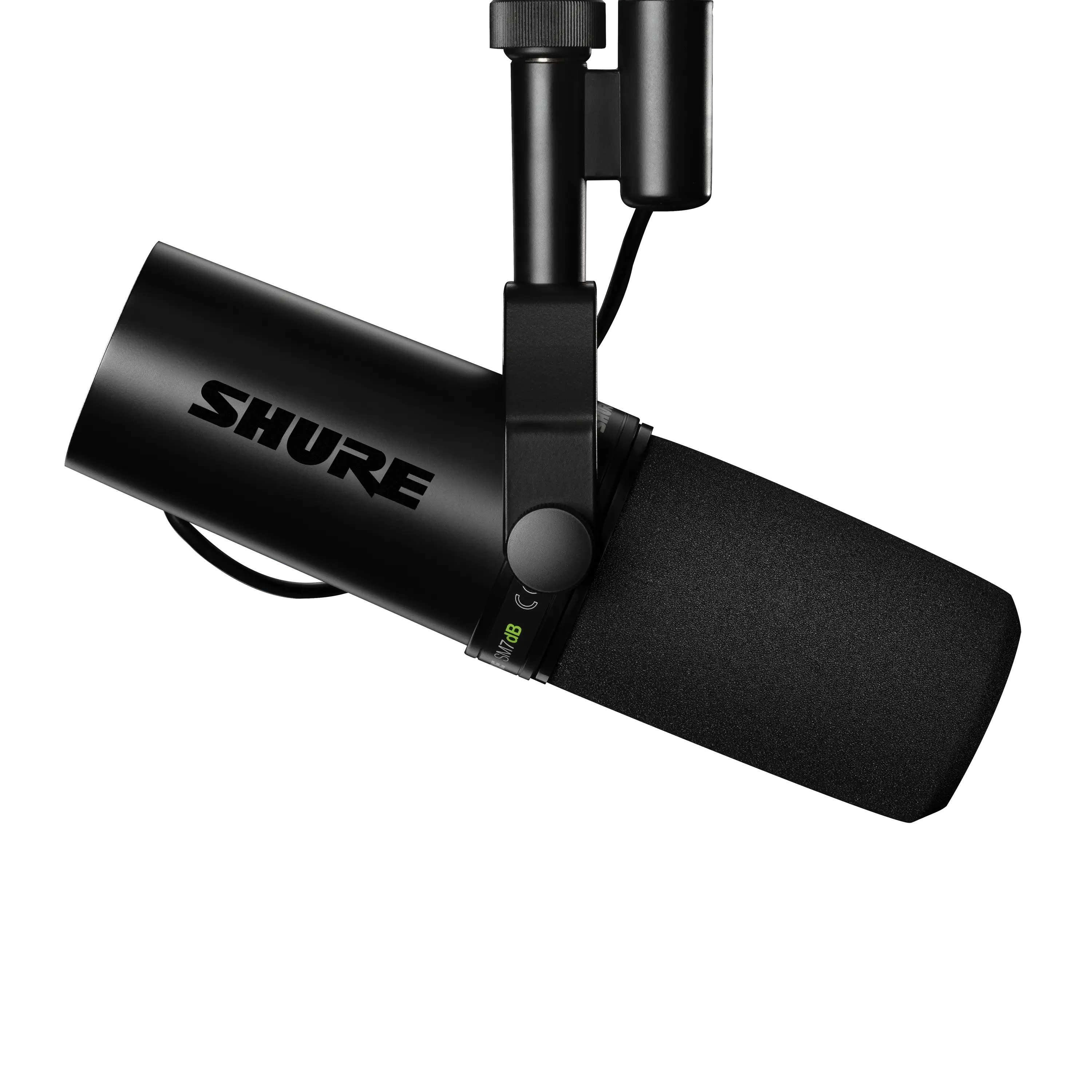 SM7dBDynamic Vocal Microphone With Built-in Preamp
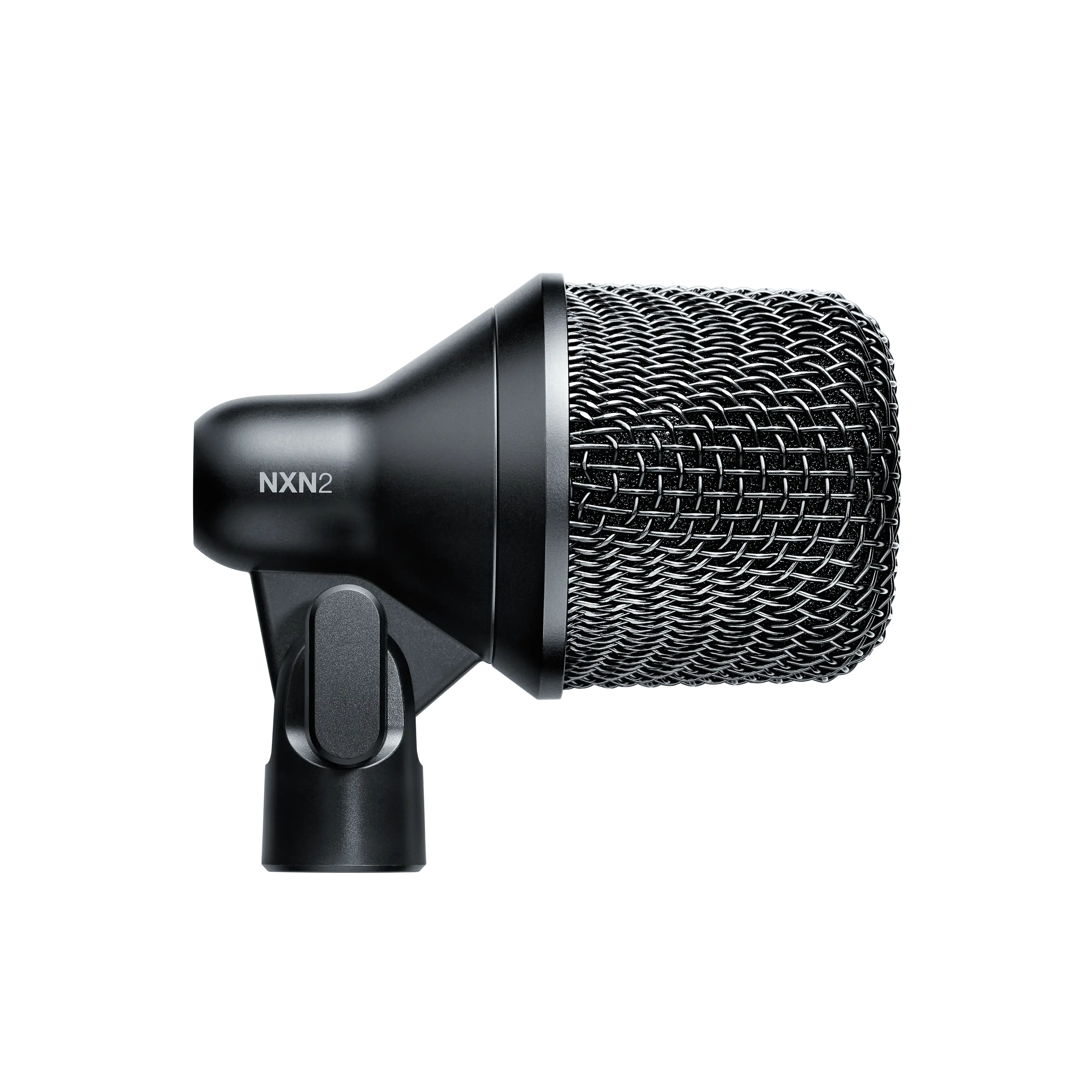 Nexadyne™ 2 Supercardioid Dynamic Kick Drum Microphone
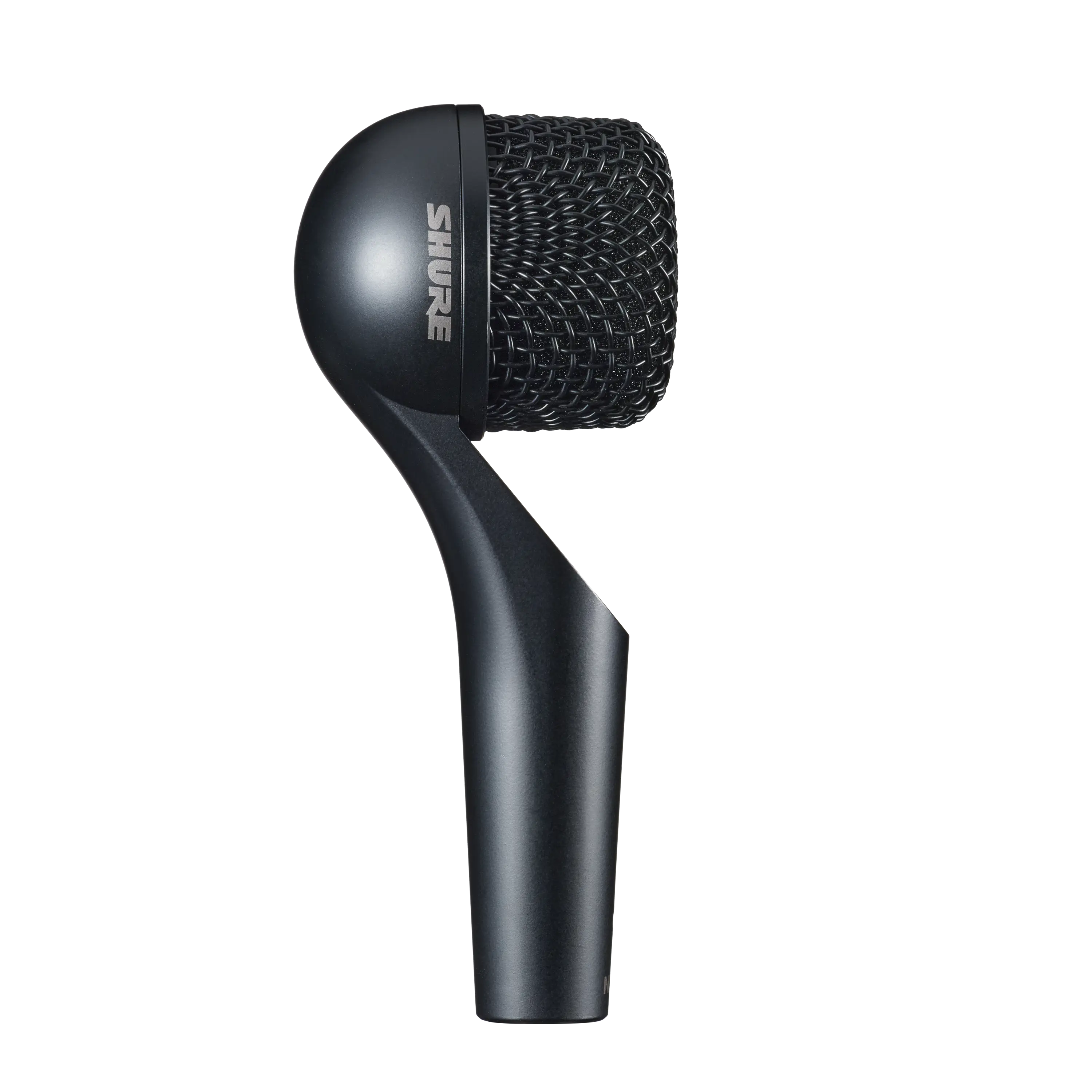 Nexadyne™ 5 Supercardioid Dynamic Guitar Amp Microphone
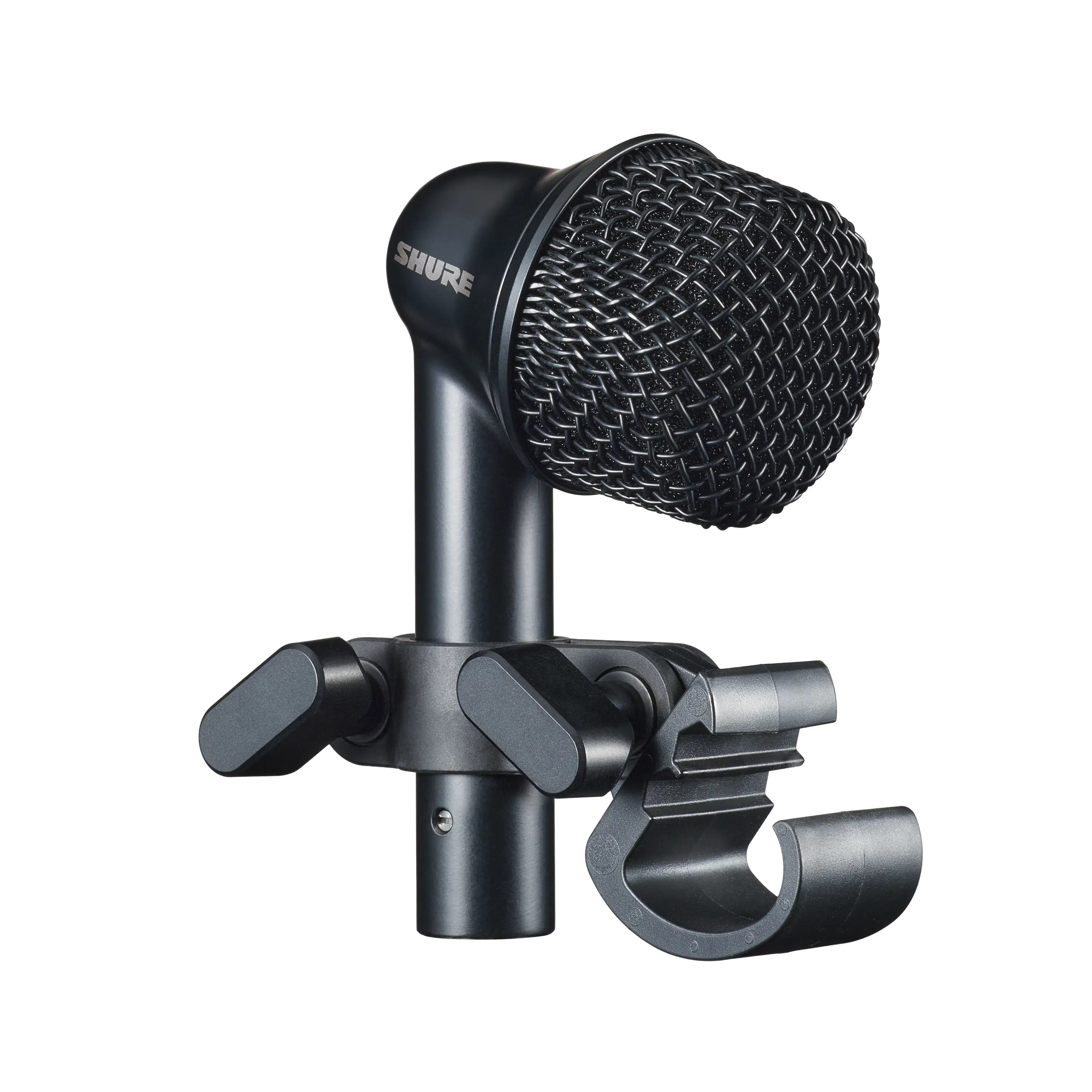 Nexadyne™ 6 Supercardioid Dynamic Tom/Snare Microphone
Related Blogs

Shure Axient® Digital PSM Eliminates Wireless In-Ear Interference for Gorillaz Guitarist on Global 'The Mountain' Tour
True to form for a Gorillaz production, the guest-artist line-up changes from night to night, with Sound Engineer Colin Woodward and the touring crew needing to be ready for anything from a single guest vocalist to a seven-piece brass section or a twelve-strong choir. Throughout, Shure Axient® Digital and Axient Digital PSM wireless systems have kept the show’s audio dependable, wherever in the world the tour lands.
Axient Digital AD vs. ADX Series: What’s the Difference?
When choosing a professional wireless system, the differences between product tiers can sometimes feel confusing. Axient® Digital keeps things simple with one powerful receiver platform and two transmitter series: AD and ADX. Both deliver exceptional RF performance, audio quality, encryption, and spectrum efficiency, but ADX adds advanced tools for the most demanding productions. Understanding what they share—and where they differ—can help you choose the right solution with confidence.
What's the Difference Between the SM58 and the Beta58A?
The SM58 and Beta 58A are both reliable handheld vocal microphones with different pickup patterns, output levels, and tonal profiles. The SM58 has a cardioid pattern and familiar, forgiving SM-series vocal sound. The Beta 58A has a tighter supercardioid pattern, hotter output, extended response, and reduced handling noise.
What's the Difference Between Shure SM57 and Beta 57A?
The SM57 and Beta 57A are both rugged dynamic microphones for instruments and occasional vocals. The SM57 has a classic cardioid close-miking character, while the Beta 57A adds tighter supercardioid directionality, higher output, extended response, a more protective grille, and improved handling-noise control.