How to Choose the Best Mics for the Guitar

When miking a guitar, you have a wide range of options to capture the authentic sound of your instrument or shape the tone into something unique. From recording in the studio to performing live, the right microphone helps you get the sound you’re after.
Need a microphone for acoustic guitar, electric guitar, or both? We’ll walk through the key differences so you can choose what works best for your setup.
From carefully placed condenser microphones that capture every nuance of your classical guitar to rugged dynamic mics that can handle the volume of a guitar amplifier, Shure has mics to meet your needs. This guide will help you understand your options and choose the best microphone for your guitar.
2 best microphones for acoustic guitar:
2 best microphone for electric guitar:
Dynamic vs. Ribbon vs. Condenser Microphones for Guitar
Three types of microphones that are commonly used for guitars are dynamics, ribbons, and condensers. These mics all work great on their own and can yield even more options when paired together. Each offers a different way to capture your sound, and choosing the right type depends on your instrument, setup, and the tone you’re looking for.
Dynamic microphones
Dynamic microphones are the classic choice for miking electric guitar amps. They can handle high sound pressure levels and capture a high amplitude, resulting in an aggressive sound source's "smooth" recording.
The frequency response for dynamic microphones is a lot narrower, and the pronounced mid-range focus complements the tonality of the electric guitar well. This helps it cut through in live performances or recording environments
Modern dynamic microphone technology continues to evolve. For example, Shure's Nexadyne microphones feature a patented dual-engine transducer design that uses two precisely calibrated transducers to shape the frequency response before the signal reaches the mixer. The result is a more consistent sound, faster soundchecks, and accurate tone capture that helps performers and engineers achieve reliable results from setup through performance.
Ribbon microphones
Ribbon microphones are known for their weight and depth, often producing a slightly darker sound compared to dynamic and condenser microphones. Ribbon microphones are smooth and forgiving with their ability to soften the edges. They can make a guitar sound natural as if you are in a room with the amp.
Placement is especially important when using ribbon microphones. Finding the right position can bring some weight to the low-end, lower midrange, and some overall body. This may need a bit of carving when placed in a tightly packed mix.
Ribbon microphones are also a good option for miking a guitar cabinet.
Condenser microphones
Condenser microphones offer a wide frequency response and low noise characteristics. These mics tend to be super precise and clear. They’re often the best choice for acoustic guitar, where capturing nuance and clarity is key.
Because condenser microphones are more sensitive, you want to avoid dropping or banging it, recording a sound source that's too loud for the diaphragm, or storing it in extreme weather conditions.
How to Mic an Acoustic Guitar
A single microphone is often enough to capture a great acoustic guitar sound—but placement is key.
Best practices for miking an acoustic guitar:
- Start with one microphone - Acoustic guitar is a small sound source, so one mic can capture a full, natural tone.
- Adjust distance for tone - Closer to the soundhole → louder, more bass, Farther away → softer, thinner sound.
- Use placement for balance - Point the microphone where the neck meets the body for a balanced mix of clarity and warmth.
- Be aware of proximity effect - Moving the mic closer increases low-end response.
- Choose your mounting style - Stand-mounted mic → more control over placement, Clip-on mic → consistent positioning + freedom to move.
- Avoid interfering with performance - Position the mic so it captures your sound without getting in your way.
Recommended Acoustic Guitar Microphones
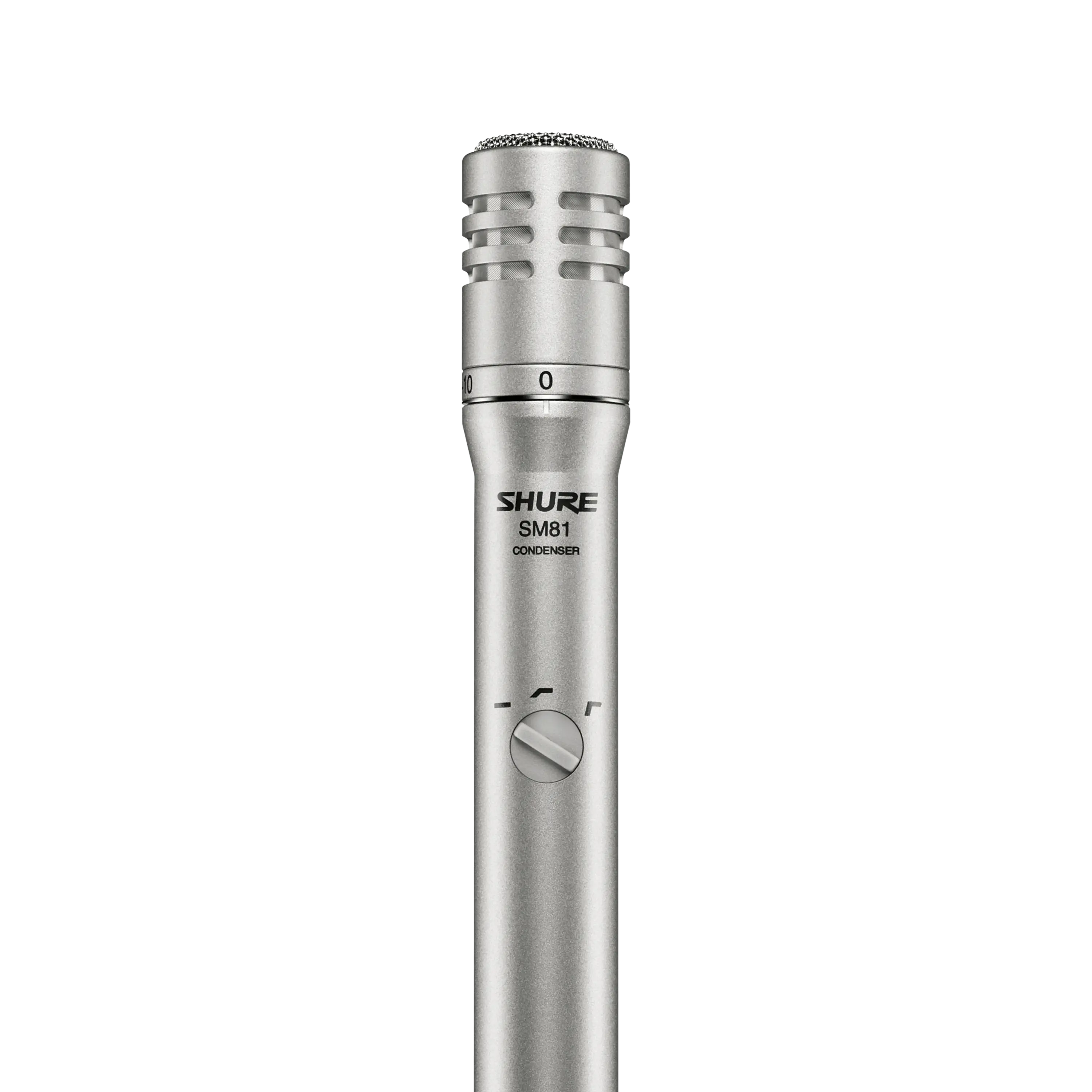
SM81
The Shure SM81 is one of the most rugged condenser mics available and has two switches on the handle for maximum control. One switch allows you to adjust the frequency response to reduce wind noise, room noise, or proximity effect. The other switch reduces signal level without altering frequency response to prevent loud instruments like guitar cabinets or close-miked drums from overloading the microphone.

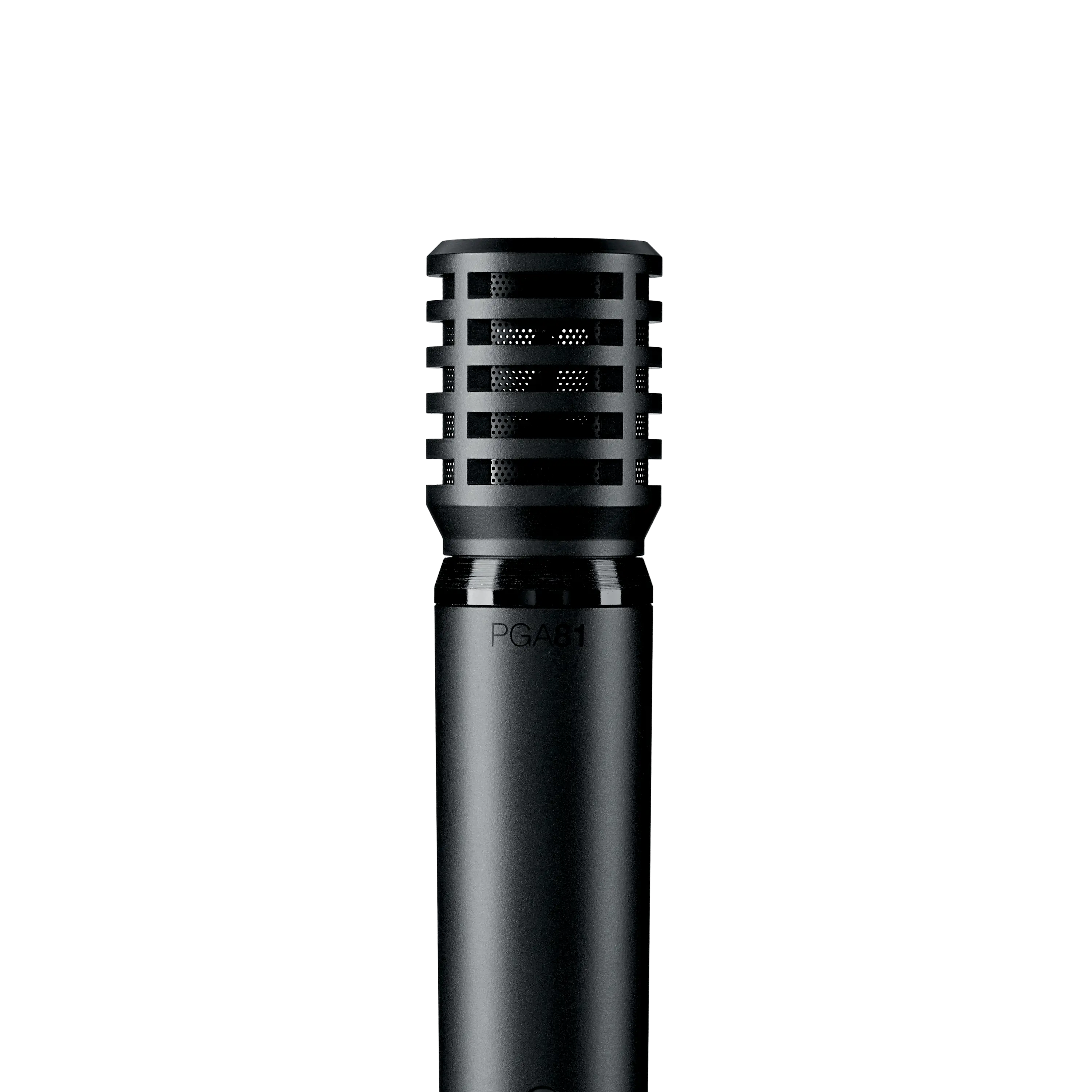
PGA81
The Shure PGA81 is a discreet, professional-quality condenser instrument microphone that can be used to capture audio in several environments for multiple applications such as acoustic instruments, percussion, and more. The PGA81 features a cardioid capsule with the same durability and performance attributes as other Shure microphones.

How to mic an electric guitar
There's a bit more experimentation with miking an electric guitar through an amp. Small adjustments can make a noticeable difference in how your guitar sounds in both live performance and recording setups.
The main thing to remember is that the closer the mic is to the speaker's center, the more brightness you'll get. Moving the mic outward away from the center of the speaker will give you more bass.
If the mic is pointed directly at the center of the amp, you'll get more clarity. If you point the mic off-center, the more diffused the sound will become.
As for distance, the farther away the microphone is from the amp, the more room tone you will capture.
Recommended Electric Guitar Microphones
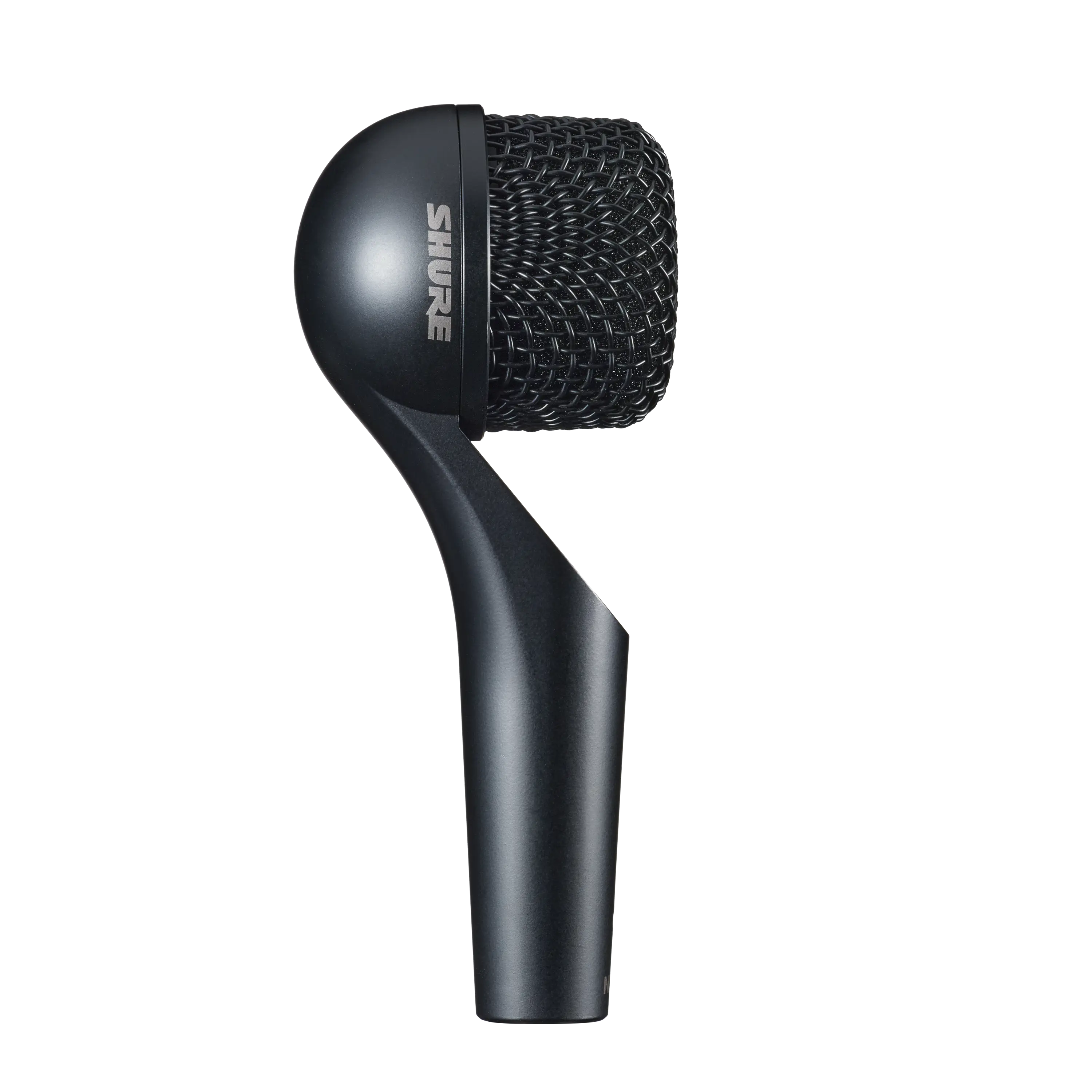
Nexadyne 5
Built for guitar amplifiers, the Nexadyne 5 captures your amp’s tone with the fidelity and detail you've spent years dialing in. Its supercardioid pattern helps isolate the amp from drum bleed and other stage noise, while preserving harmonic overtones, breakup texture, and dynamics for a natural, uncolored sound.

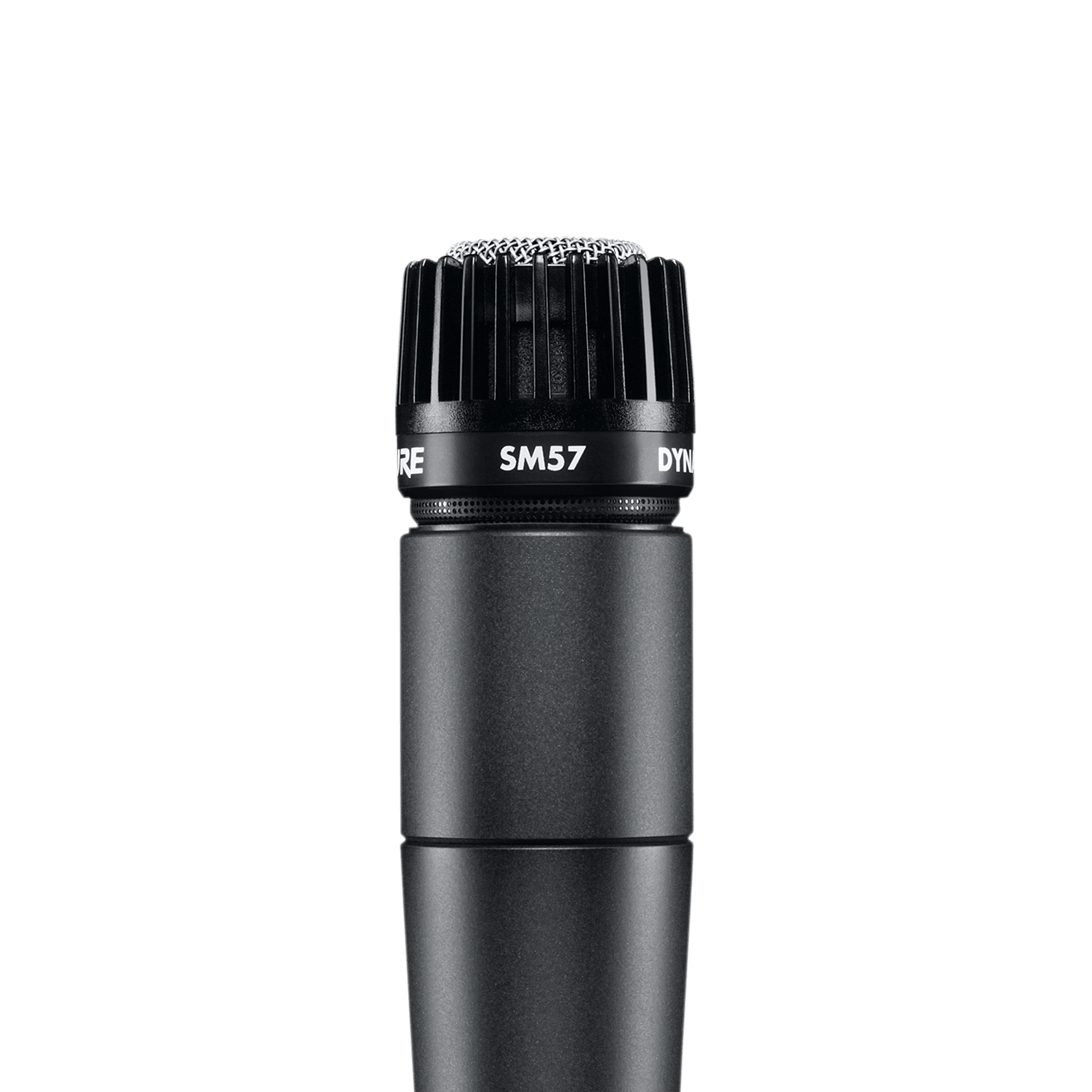
SM57
One of the most popular dynamic microphones on the planet, the versatile Shure SM57 provides tremendous clarity, making it perfect for the electric guitar, snare drums, kick drums, and more. The cardioid dynamic instrument microphone offers clean reproduction of amplified instruments. The flat grill allows you to place the mic close to the amplifier.

FAQ: Choosing the Right Microphone for Guitar
What is the best microphone for guitar? The best microphone for guitar depends on how you’re using it. Dynamic microphones are a great choice for electric guitar amps because they handle high volume and deliver a focused sound, while condenser microphones are often preferred for acoustic guitar thanks to their ability to capture detail and nuance.
What microphone should you use for an acoustic guitar? For acoustic guitar, condenser microphones are typically the best choice. They offer a wide frequency response and capture the natural tone and subtle details of your instrument, making them ideal for both studio recording and live performance.
What is the best way to mic an electric guitar amp? The best way to mic an electric guitar amp is to start close to the speaker and adjust placement to shape your tone. Positioning the mic near the center of the speaker gives you more brightness and clarity, while moving it toward the edge adds warmth and bass.
Can you use one microphone for both guitar and vocals? Yes, you can use one microphone for both guitar and vocals, especially in simple setups. The key is choosing a mic that captures both clearly and positioning it carefully so you balance your voice and instrument.
How do you get a more natural guitar sound with a microphone? To capture a more natural guitar sound, focus on microphone placement and distance. Small adjustments can make a big difference, helping you balance clarity, warmth, and room sound to match what you hear in the room.
Shure: The Perfect Choice for Your Miking Needs
Whether you're looking to mic a drummer or an entire choir, Shure can equip all of your sound needs. Contact us today to get started!
Here are a few other resources you might find helpful:
How to Choose the Right Wireless Microphone System
How to Choose the Best Mics for Brass, Wind, and String Instruments
How to Choose the Best Mic for the Pianist
Shure's Central Hub for Houses of Worship
How to Choose the Best Mic for the Pastor
How to Choose the Best Mics for the Choir at Worship

Related Products and Accessories
Related Stories

Axient Digital AD vs. ADX Series: What’s the Difference?
When choosing a professional wireless system, the differences between product tiers can sometimes feel confusing. Axient® Digital keeps things simple with one powerful receiver platform and two transmitter series: AD and ADX. Both deliver exceptional RF performance, audio quality, encryption, and spectrum efficiency, but ADX adds advanced tools for the most demanding productions. Understanding what they share—and where they differ—can help you choose the right solution with confidence.
Action Isolator Is Changing What Live Sports Broadcasts Sound Like
The sounds that define the game should lead the mix. Action Isolator is a professional audio processing software from Shure that isolates game audio in real time across up to eight channels and reduces crowd & ambient noise, with five AI-trained modes built for live sports broadcast.
What's the Difference Between the SM58 and the Beta58A?
The SM58 and Beta 58A are both reliable handheld vocal microphones with different pickup patterns, output levels, and tonal profiles. The SM58 has a cardioid pattern and familiar, forgiving SM-series vocal sound. The Beta 58A has a tighter supercardioid pattern, hotter output, extended response, and reduced handling noise.
How to Mic a Snare Drum with a Shure SM57
When it comes to recording snare drums, the SM57 has pretty much dominated for the better part of 60 years. It adds just the right amount of low-end weight while also honoring the high-end presence and "crack" of the drum. For this reason, the 57 is the go-to mic for your snare.