
Blog
Take Your Meetings to the Next Level
Frost & Sullivan Uncover Revolution Medicines' Insights on the Game-Changing MXA902 Ceiling Array Microphone & Loudspeaker!
November 01, 2024 |

In recent years, the nature of meetings has evolved significantly, with remote participation becoming the norm as 98% of meetings now include remote attendees. This shift towards hybrid work brings challenges, as 70% of organizations struggle to provide an equal experience for both remote and in-room participants.
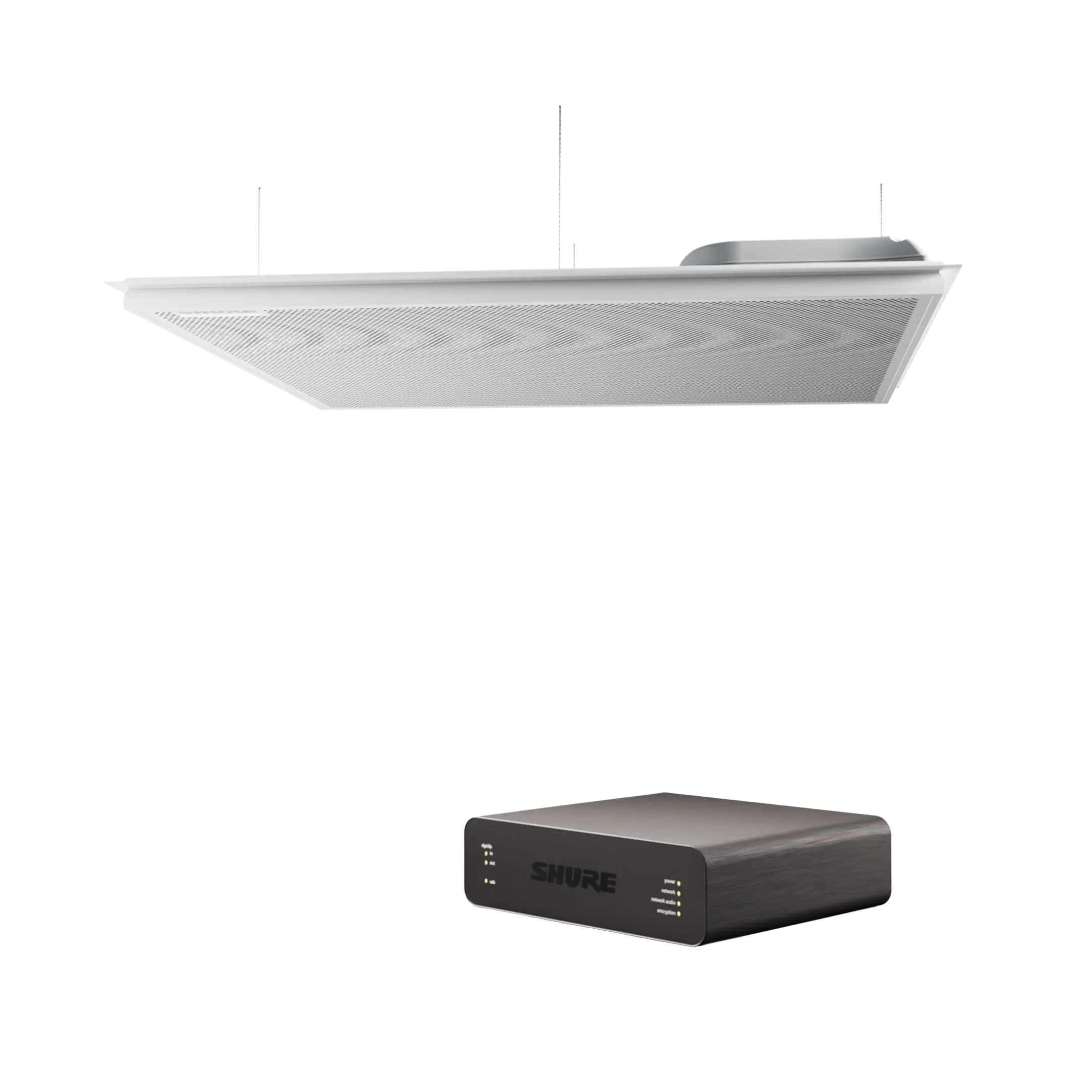
In this video Frost & Sullivan shares why when it comes to collaboration technology, ease of use and top-notch quality are essential and further explores why Revolution Medicines believes Shure is empowering their professionals by providing a solution which seamlessly integrates into their existing workflows to ensure that all the participants in the room can hear and be heard, to enable employees to participate actively, contribute their ideas and insights freely. In turn driving innovation, productivity and business success.
TALK TO A SHURE EXPERT
Watch the Video Now
Related Products and Accessories
Related Stories

Axient Digital AD vs. ADX Series: What’s the Difference?
When choosing a professional wireless system, the differences between product tiers can sometimes feel confusing. Axient® Digital keeps things simple with one powerful receiver platform and two transmitter series: AD and ADX. Both deliver exceptional RF performance, audio quality, encryption, and spectrum efficiency, but ADX adds advanced tools for the most demanding productions. Understanding what they share—and where they differ—can help you choose the right solution with confidence.
From Meeting Challenges to Measurable ROI: Rethinking Collaboration Investment
Chris Merrick explores how IT leaders can move from everyday meeting-room technology barriers to measurable collaboration ROI. Drawing on IDC research, he explains how to make the business case for modern collaboration environments by connecting better meeting experiences to productivity, support efficiency, AI readiness, and long-term value.
The Best Video Conferencing Solutions For Higher Education: Zoom and Shure
Hybrid and flexible learning continue to shape how colleges and universities engage students both in and outside the classroom. Zoom helps support collaboration across learning environments, while Shure solutions help deliver the clear communication needed for effective participation and engagement.


