Headworn mic MythbustinG: Do they sound as good as handheld mics?

One common misconception in live sound is that wireless headworn microphones cannot deliver the same audio quality as wired handheld microphones. In reality, there is nothing inherently inferior about the sound quality from a headworn microphone. When properly selected and positioned, they can provide excellent vocal reproduction while offering performers greater freedom of movement on stage.
SM35 and SM39: Quality and Mobility
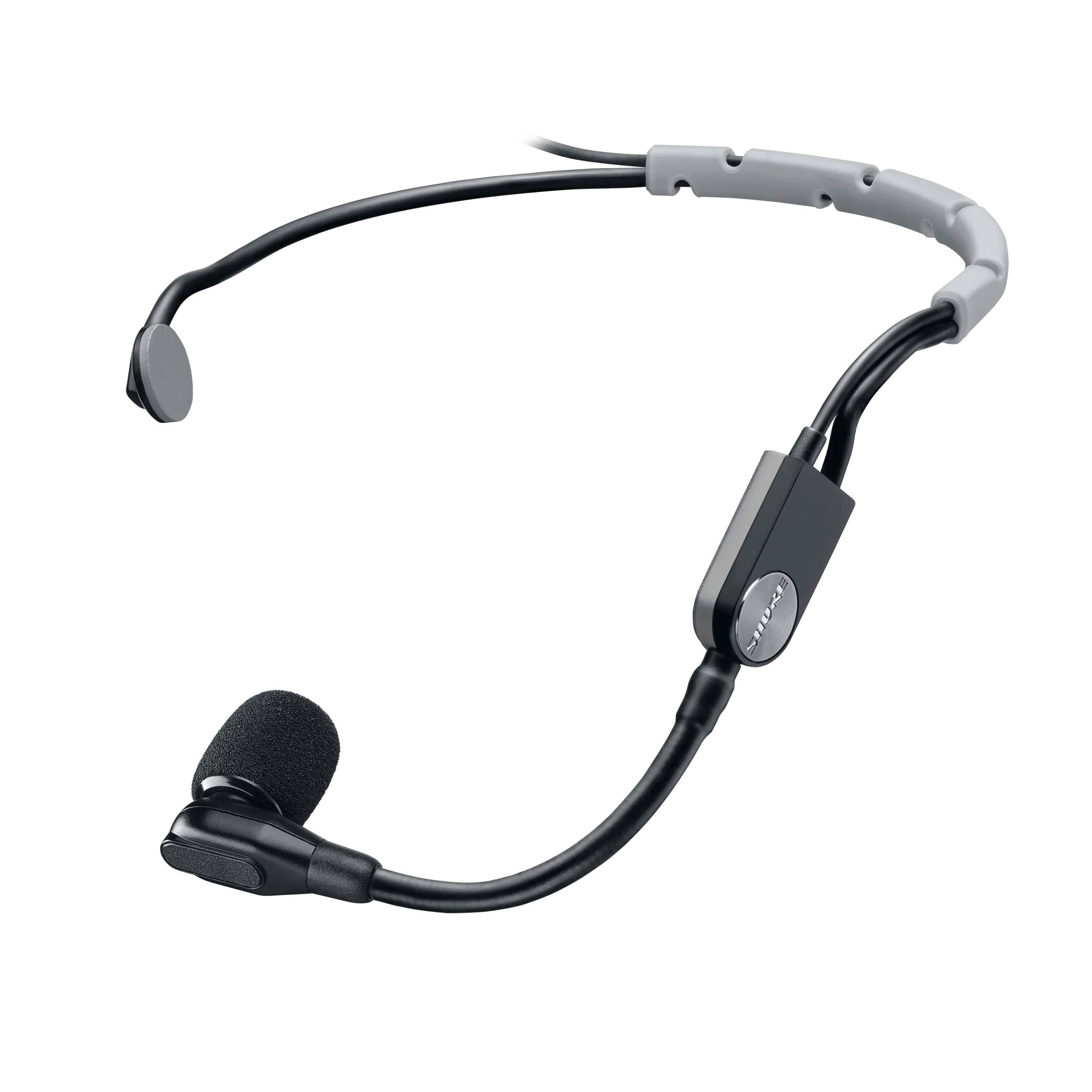
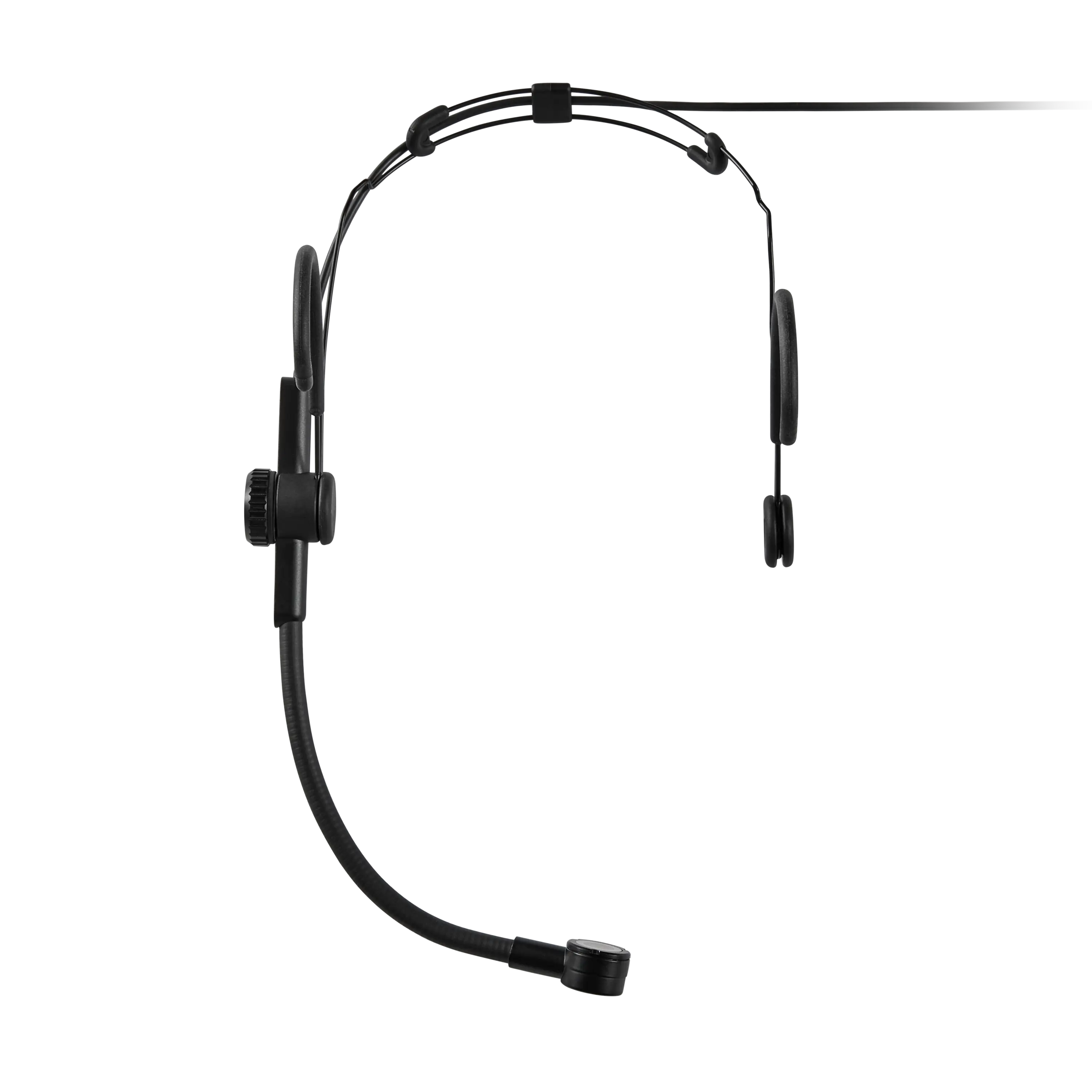
For performers who want mobility without sacrificing audio quality, a headworn microphone can be an ideal solution. Models such as the SM35 and SM39 are designed specifically for live vocal performance, delivering clear, detailed sound while maintaining a secure and comfortable fit throughout a performance.
The SM35 features a cardioid condenser design that helps capture vocals with clarity and detail while reducing pickup of unwanted ambient sound. Built for active performers, it offers a lightweight and comfortable fit that stays securely in place during energetic performances.
For users seeking enhanced performance and an updated design, the SM39 builds on the legacy of earlier Shure headworn vocal microphones with improved comfort, durability, and vocal-focused sound reproduction. Its design helps performers maintain consistent microphone placement, contributing to reliable sound quality from song to song and show to show.
Beyond Sound Quality
Beyond sound quality, headworn microphones offer several practical advantages for live performance:
- The microphone remains consistently close to the sound source, allowing for lower gain requirements.
- A secure, ergonomic fit helps performers focus on the performance rather than microphone placement.
- Handling noise associated with handheld microphones is eliminated.
- Headworn microphones avoid many of the clothing-noise issues commonly encountered with lavalier microphones.
Microphone technique remains important regardless of microphone type. A vocalist who is not positioned correctly relative to the microphone may not achieve the desired sound, whether using a handheld, lavalier, or headworn microphone. Engineers can further optimize performance with accessories such as windscreens and processing tools including EQ, compression, and de-essing.
Ultimately, performers and engineers should trust their ears when evaluating microphones. From a technology standpoint, however, there is no reason a headworn microphone cannot deliver professional-quality vocal sound. In fact, countless artists, presenters, and performers have relied on headworn microphones to achieve excellent results while enjoying the freedom to move naturally on stage.