How to Mic the Drums for Worship

Microphone placement on your drum kit during worship plays a major role in how your drums support the overall mix and message.
Long gone are the days when drums in Houses of Worship were a taboo topic. Today, many worship services rely on drums and percussion as a core part of the band. At the same time, vocals and lyrics are the essential element of Worship, so the drums must be set up so as not to overpower the ability to hear the message.
The drum set can be the most challenging instrument to mike in a House of Worship. What typically will work on the bass drum will usually not be ideal for the snare or cymbals. Factor in the sharp attacks and the higher volume levels – depending on the style of worship music and the player –and it becomes even more important to choose the right microphones and placement for each part of the kit.
If you're in a small space, then you might not even need to mic up the drum set at all. Managing volume with acoustic treatment can sometimes be enough to notoverpower the rest of the worship team. However, the larger Houses of Worship will need to mike up their drum sets to ensure the sound carries to the back of the sanctuary.
In this guide, you will learn drum microphone types, how to mic a drum set, and discover the best drum mics to help keep the beat going in your House of Worship.
Microphone Types
The most frequently used microphones for drums can be divided into three categories: Dynamic, Condenser, and Ribbon. Each type captures your drum kit differently and plays a specific role in your overall drum mic setup.
Dynamic Mics provide a warm and full sound and handle extremely high sound levels before distorting. They function similarly to a loudspeaker in reverse, using a diaphragm, voice coil, and magnet to turn a sound wave into an audio signal. Dynamic mics are typically the first choice for onstage miking.
Condenser Mics have thinner diaphragms with an eclectically charged backplate to generate a signal. resulting in a smooth, natural sound. They are generally more sensitive than dynamic microphones, making them better suited for capturing finer details and percussive elements. This ability makes condensers great as overheads in the studio when recording Worship music. They do require "phantom power" from the mixing board to operate.
Ribbon Mics are slightly less common but valued for their ability to capture higher frequencies without sounding harsh or brittle. As you'd expect from the name, ribbon mics use a small strip inside a magnetic field to produce an audio signal. While historically more fragile, modern ribbon microphones are more robust, though they can still be relatively expensive.
Kick Drum Mics and Placement
Most kick drums are recorded using a dynamic microphone, and it's best to choose one specifically designed for kick drum use. Purpose-built kick drum microphones have a tailor-made frequency response to complement the kick drums' low-frequency power and attack. While also handling high sound pressure levels.
As a rule of thumb, placing your mic inside the kick drum and pointed towards the beater helps capture more attack. Moving the mic farther back – or placing it just outside the drum's resonant head – will increase low frequency weight. Using two mics – one inside, one just outside the sound hole – will give you the optimal combination of attack and weight.
When miking a kick drum, you may notice unwanted resonance while monitoring. If this happens, placing a pillow inside the drum can help dampen ringing and create a tighter sound. When using this approach, make sure the inside microphone is fixed securely in place.
A dynamic microphone is typically used for kick drum—but placement is what shapes your sound most.
Best Kick Drum Mics
Nexadyne™ 2
Designed specifically for kick drums, the Nexadyne 2 delivers full-spectrum sound with deep, authoritative low end and clear attack definition. Its supercardioid pattern helps reject stage rumble and bleed, while the built-in contoured EQ helps produce a polished kick drum sound with less corrective processing.

BETA 91A
The BETA 91A is a condenser microphone with a low-profile design that makes it easy to place inside a kick drum and features an integrated preamp. The half-cardioid polar pattern ensures maximum gain-before-feedback and rejection of off-axis sound. You do not need a mic stand with this mic, and you can place the mic in the drum to produce a very natural sound.

BETA 52A
The BETA 52A is a high-output dynamic microphone that has a frequency response designed specifically for kick drums. The BETA 52A has a built-in locking stand adapter to help simplify your setup and a hardened steel mesh grille.

PGA52
The PGA52 is a kick drum mic that delivers both clarity and reliability in an affordable and discreet package.

Snare Drum Mics and Placement
Most drummers are very particular about the sound of their snare drum, and the right microphone choice plays a big role in capturing it. Typically, you use dynamic and condenser microphones to mic the snares.
Dynamic microphones tend to capture more of the weight and body, while also providing greater isolation from other drums.
On the other hand, condenser mics reveal more subtlety in the drummer's performance and capture more high-frequency detail for a crisp, punchy tone. Because they are more sensitive and do not handle high sound pressure levels as well as dynamic mics, it’s important to check levels and apply a pad at the mic or preamp if necessary.
As you probably are aware, snare drums have two different sounds. So, you might want to consider two mics to capture the batter head up top and the actual snares underneath.
For placement, positioning the mic a good 2- 4 inches away from the snare and angled toward the center will ensure you capture the whole drum sound with a clear and punchy attack. Putting the mic too close to the batter's head will lose the snare's signature track.
When miking a snare drum, both microphone choice and placement matter.
Recommended Snare Drum Mics
Nexadyne 6
Designed for toms and snare, the Nexadyne 6 captures every hit with natural attack and body. Its clear high-frequency response helps preserve stick definition, while a transparent midrange and full low end deliver honest drum tone. The supercardioid pattern also helps reduce cymbal wash and drum bleed for greater focus and clarity.

BETA 56A
The BETA 56A is a supercardioid mic with a right-angle swivel that makes it easy to fit into tight spaces. This mic offers high gain before feedback, excellent noise rejection, and a frequency response tailored for drums.

SM57
The SM57 is possibly the best snare mic in the world. There's a good reason the SM57 has been the industry standard for decades. This dynamic microphone has been designed to perform in loud environments, so you can capture the crack and sizzle of your snare drum precisely as you play it.

PGA57
The PGA57 is an affordable mic that provides quality sound for both live performance and recording.

Tom Mics and Placement
Toms are almost always closed miked, especially in live environments. Condenser mics will give you more detail and attack. A dynamic mic will deliver a complete, fat sound with more minor spills like the snare drum.
Keep in mind that the more microphones you use, the more you'll need to watch out for bleed and phase issues.
Tom mic placement tips:
- Toms are typically close-miked - Especially in live worship settings
- Condenser microphones - Capture more detail and attack
- Dynamic microphones - Deliver a fuller sound with less bleed from other drums
- Watch for bleed and phase issues - More microphones require more careful setup
Recommended Toms Mics
BETA 98AMP/C
The BETA 98AMP/C is a high-performance mini-condenser microphone designed for drums, and its bendable goosenecks are perfect for maintaining the precise angle for your toms. The microphone comes with a mounting clamp that allows you to place the mic on the Toms without a mic stand. The BETA 98AMP/C comes with an integrated preamp.

Nexadyne 6
Designed for toms and snare, the Nexadyne 6 captures every hit with natural attack and body. Its clear high-frequency response helps preserve stick definition, while a transparent midrange and full low end deliver honest drum tone. The supercardioid pattern also helps reduce cymbal wash and drum bleed for greater focus and clarity.
Overhead Mics and Placement
Overhead microphones are typically small-diaphragm condenser mics used to capture the overall sound of your drum kit. By pointing them toward the drum set, you can pick up a balanced mix of cymbals and drums without introducing too much background noise.
Placement plays a key role in shaping your drum sound. To minimize room sound, lower the overhead mics and center them toward the drum set. To maximize room sound, raise the microphones, and angle them away from the drum set.
A common starting point is to position overhead microphones at least 18 inches above the cymbals, then make small adjustments to get the balance you’re looking for.
Overhead drum mic placement tips:
- Use small-diaphragm condenser microphones - These are typically used as overheads for balanced, detailed pickup
- Aim toward the drum kit - Helps capture a full mix of cymbals and drums while limiting background noise
- Set a starting height - A common starting point is to position microphones at least 18 inches above the cymbals
- Fine-tune positioning - Angle and placement adjustments help you dial in the right balance
Best Overhead Mics
KSM32C
A cardioid condenser microphone with a precision-engineered ¾-inch capsule, the KSM32C delivers natural, transparent sound with excellent off-axis rejection—making it an ideal choice for drum overheads, ensembles, vocals, and instruments.

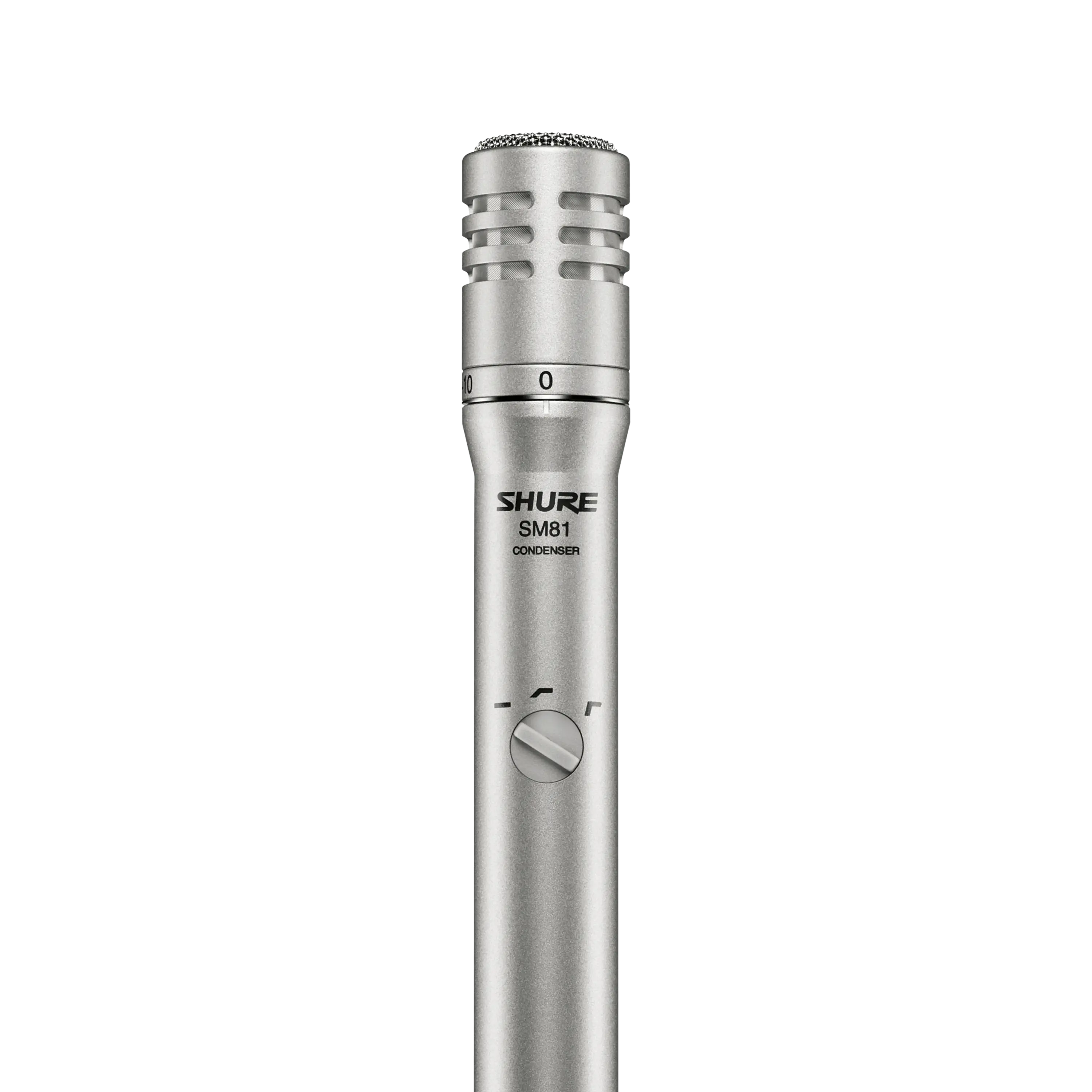
SM81
The Shure SM81 is one of the most rugged condenser mics available and has two switches on the handle for maximum control. One switch allows you to adjust the frequency response to reduce wind noise, room noise, or proximity effect. The other switch reduces signal level without altering frequency response to prevent loud instruments like guitar cabinets or close-miked drums from overloading the microphone.

Drum Microphone Kits
With these basics in mind, you should have a clear starting point for miking drums in your house of worship. While individual microphone choices give you flexibility, complete drum microphone kits offer a convenient way to get everything you need for your drum setup in one solution.
Shure Drum Microphone Sets
PGADRUMKIT5
The PGADRUMKIT5 Drum Microphone Kit is an essential package of professional quality microphones that provide excellent sound for close-mic kick drum, snare, and tom performance.

PGADRUMKIT7
The PGADRUMKIT7 Drum Microphone Kit is a complete package of professional quality microphones designed to provide excellent sound for full drum kit performance.

FAQ: Miking Drums for Worship
What is the best way to mic a drum kit for worship? The best way to mic a drum kit for worship is to use a combination of close mics for individual drums and overhead microphones to capture the full kit. Placement matters—small adjustments can help you balance clarity, impact, and room sound so the drums support the overall mix.
Do you need to mic drums in a house of worship? Not always. In smaller spaces, drums may not need microphones if volume is controlled naturally. In larger worship environments, miking the drum kit helps ensure consistent sound throughout the room.
What microphones should you use for drums in church? Dynamic microphones are commonly used for kick, snare, and toms because they handle high sound levels and provide good isolation. Condenser microphones are often used as overheads to capture detail and the overall sound of the kit.
How do you keep drums from overpowering a worship mix? Proper microphone placement, controlled mic levels, and thoughtful positioning all help prevent drums from overpowering the mix. The goal is to support vocals and other instruments while maintaining a balanced, clear sound.
Shure: The Perfect Choice for Your Drummer's Sound Needs
Whether you're looking to mic the drum set, the pastor, or the entire choir, Shure can equip your House of Worship with all sound needs. Contact us today to get started!
Make sure to visit our House of Worship Resource Center for additional tools, insights, and audio solutions.
Here are a few other resources you might find helpful:
Shure's Central Hub for Houses of Worship
How to Choose the Best Mic for the Pastor
How to Choose the Right Wireless Microphone System
How to Choose the Best Mics for the Choir at Worship
How to Choose the Best Mics for Brass, Wind, and String Instruments
How to Choose the Best Mics for the Guitar at Worship
How to Choose the Best Mic for the Pianist
How to Choose the Best Handheld Mics for Worship

Related Products and Accessories
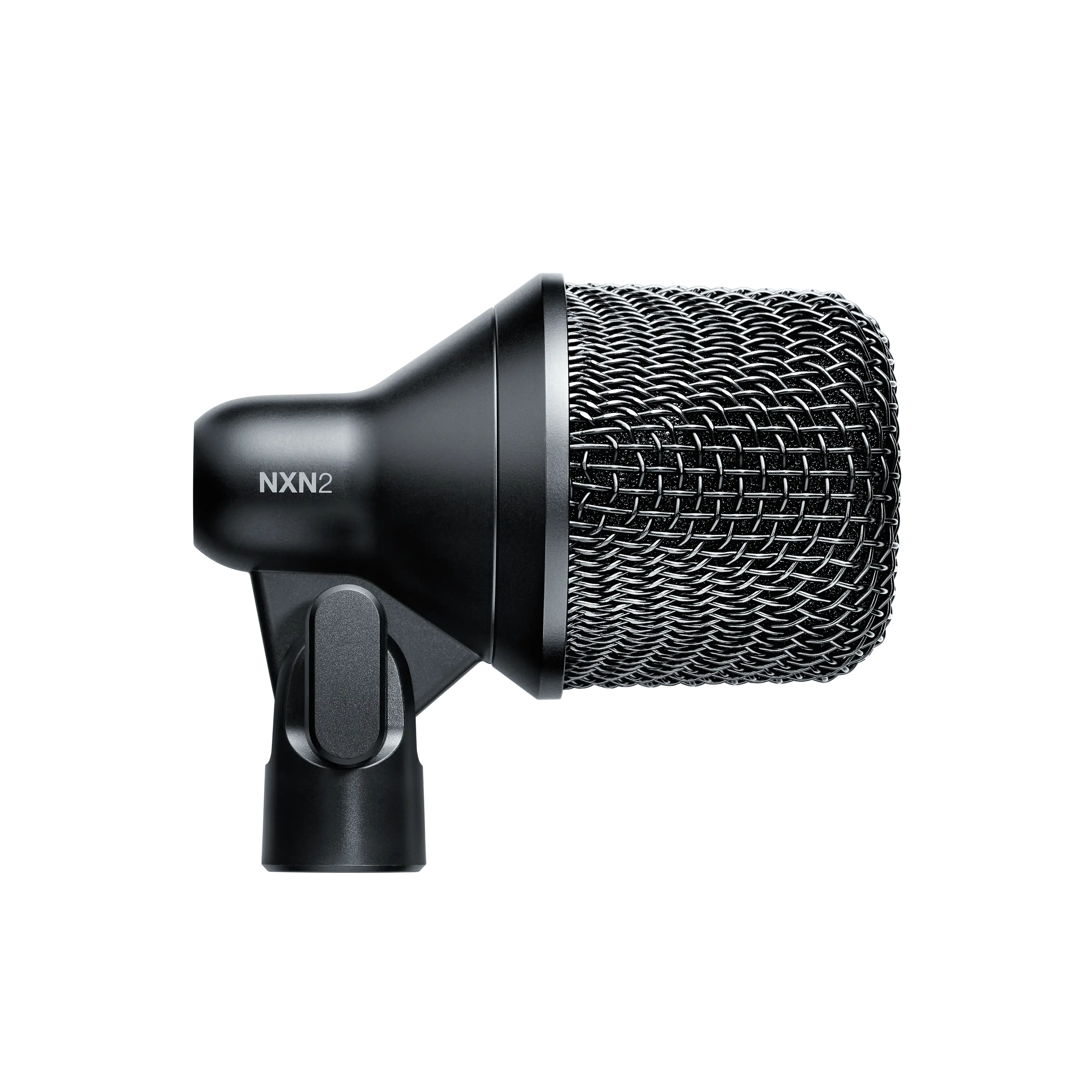 Nexadyne™ 2 Supercardioid Dynamic Kick Drum MicrophoneLearn More
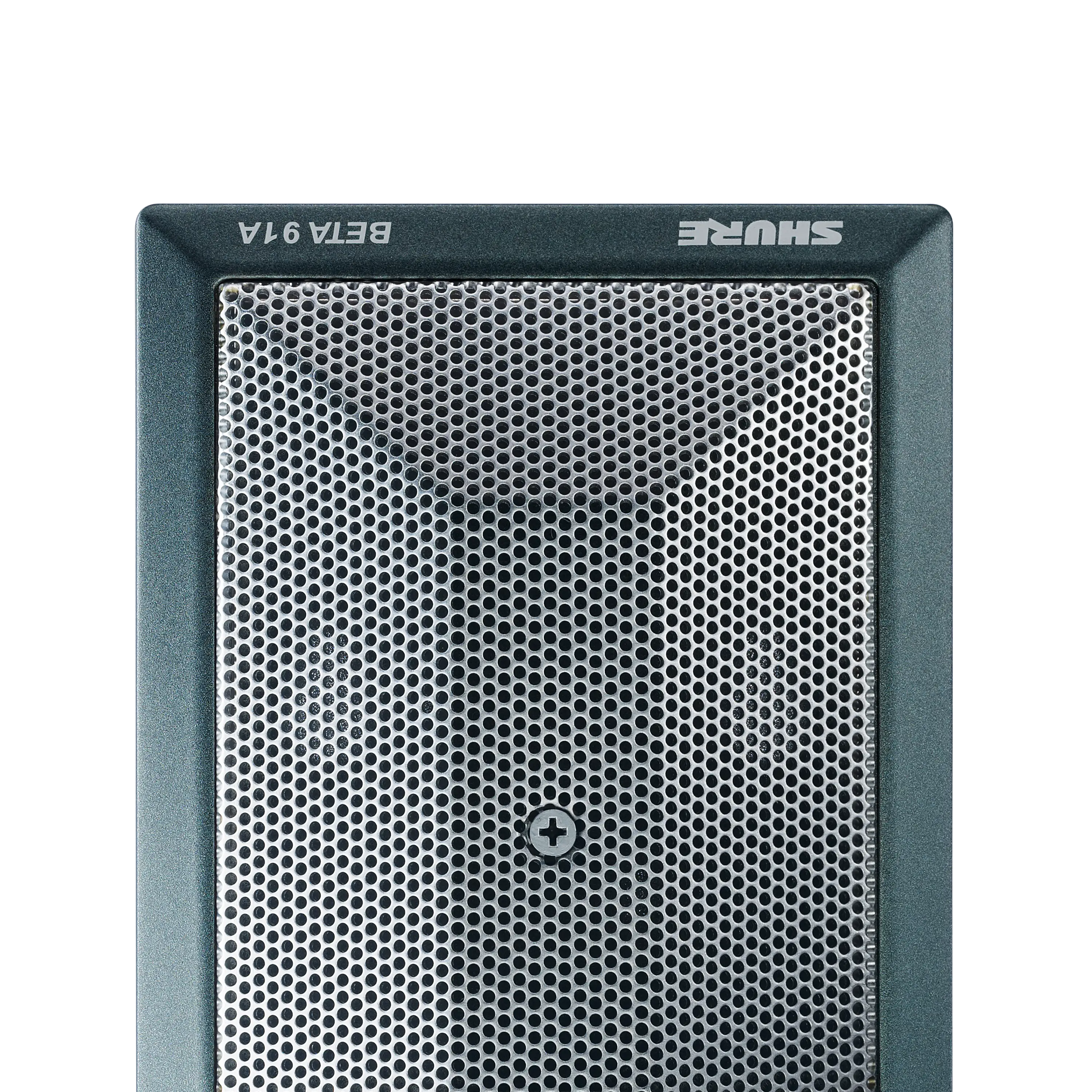 BETA 91AKick Drum MicrophoneLearn More
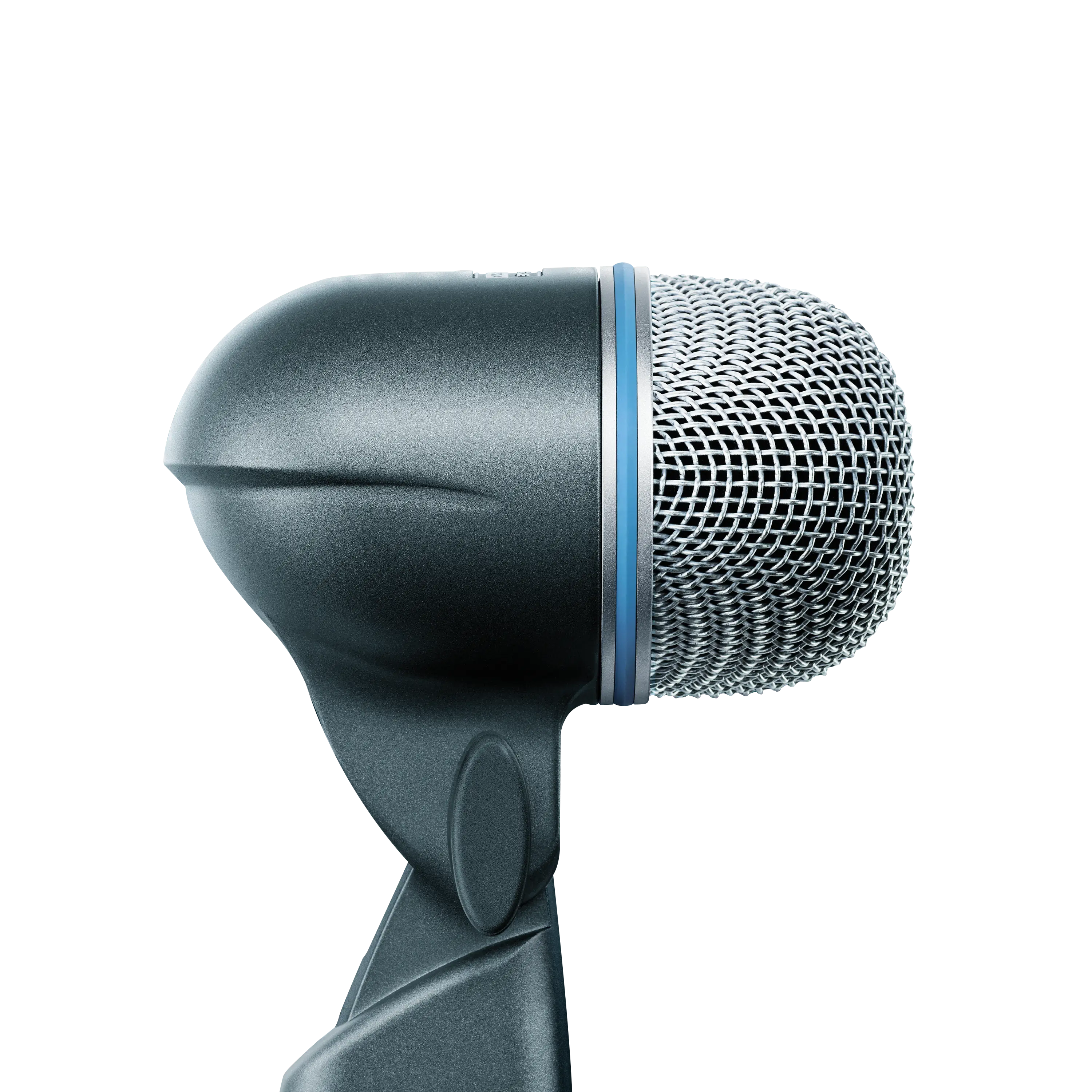 BETA 52AKick Drum MicrophoneLearn More
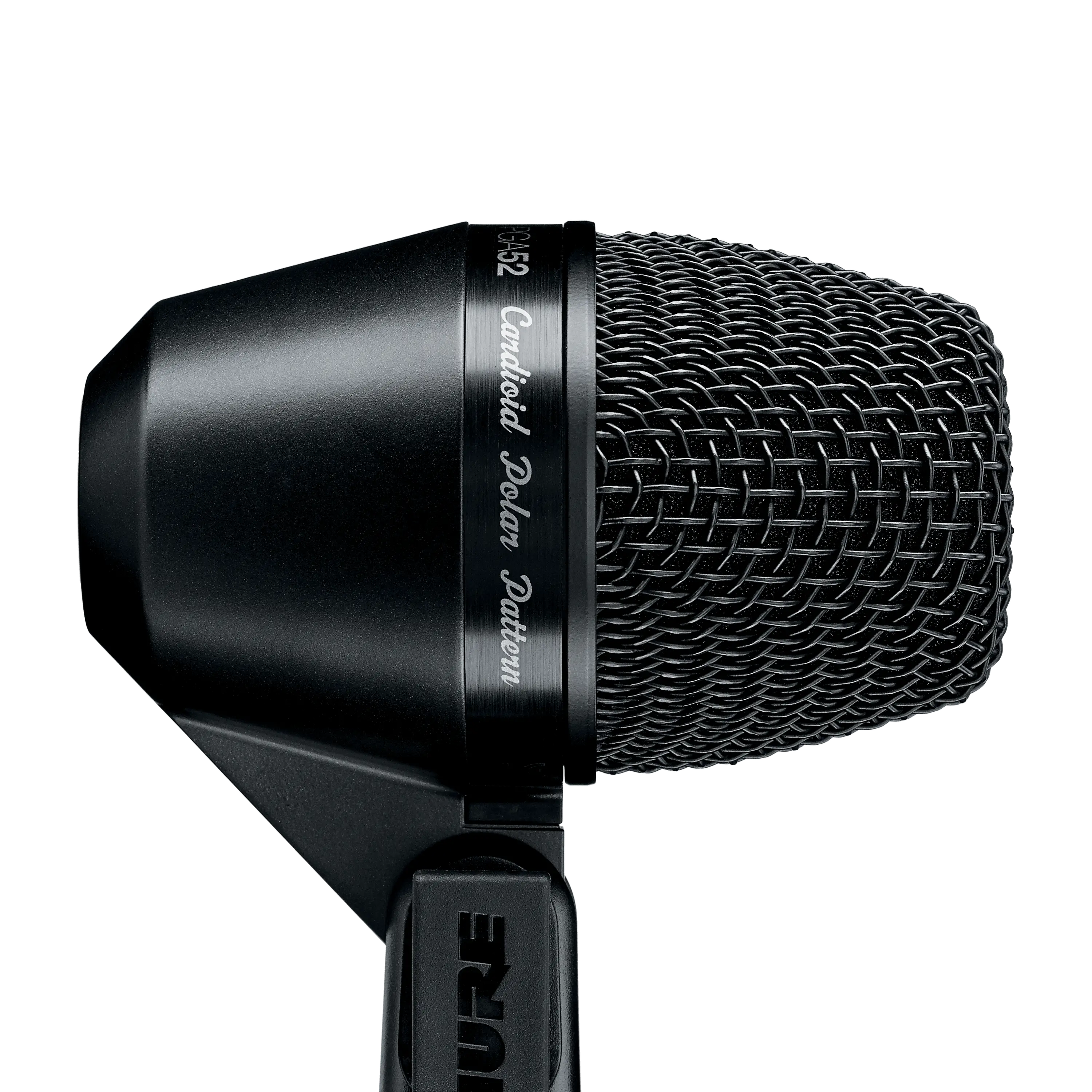 PGA52Cardioid Dynamic Kick Drum MicrophoneLearn More
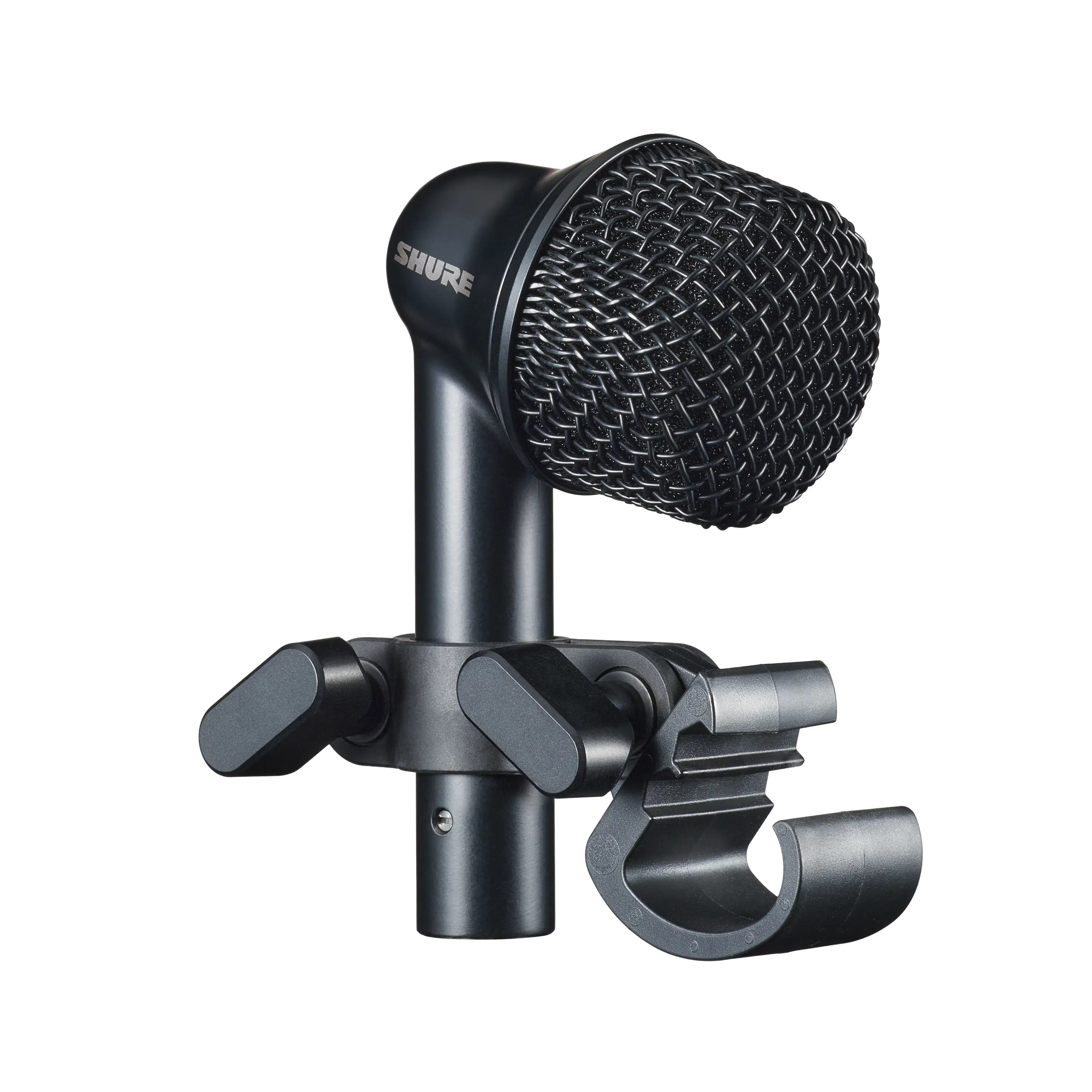 Nexadyne™ 6 Supercardioid Dynamic Tom/Snare MicrophoneLearn More
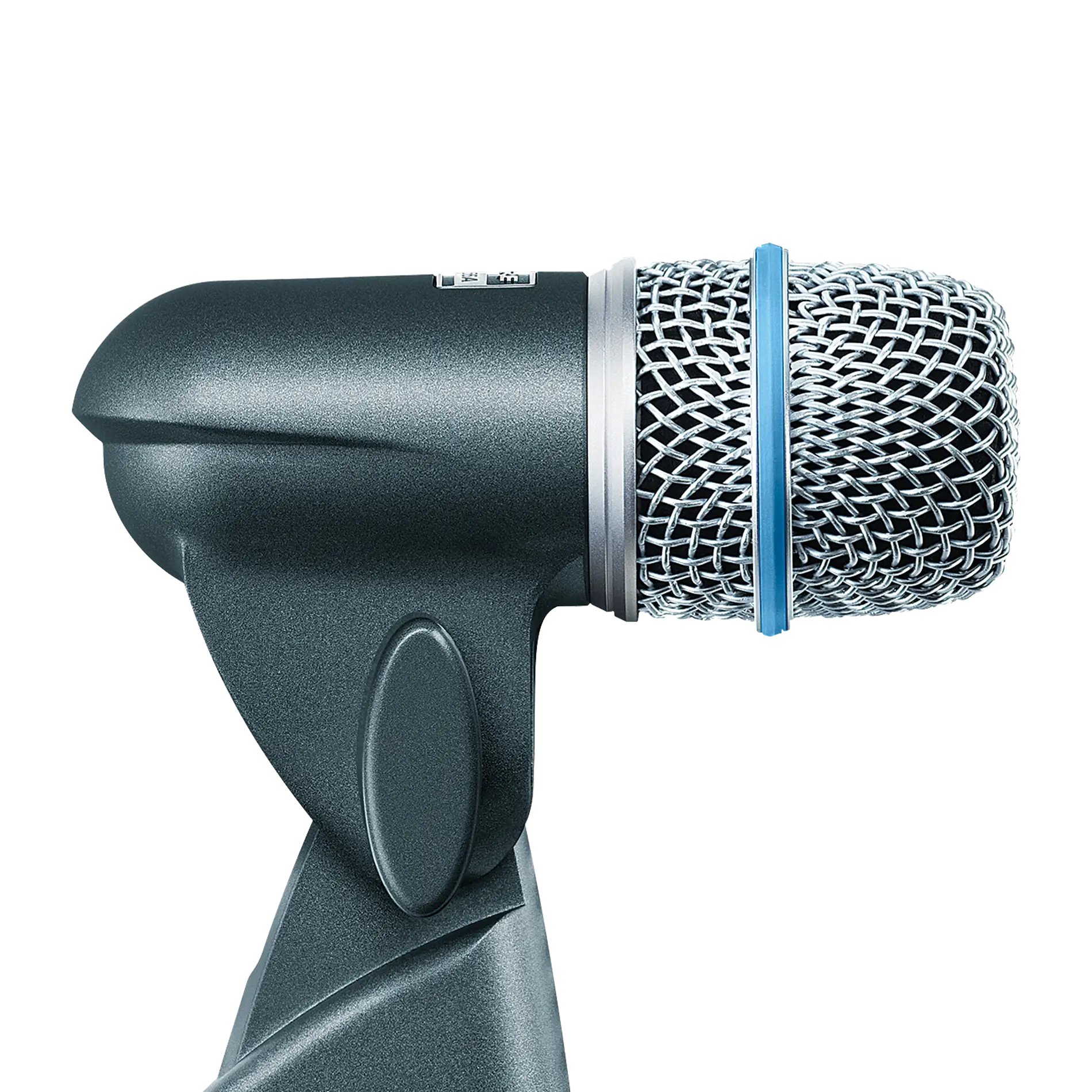 BETA 56ASnare/Tom MicrophoneLearn More
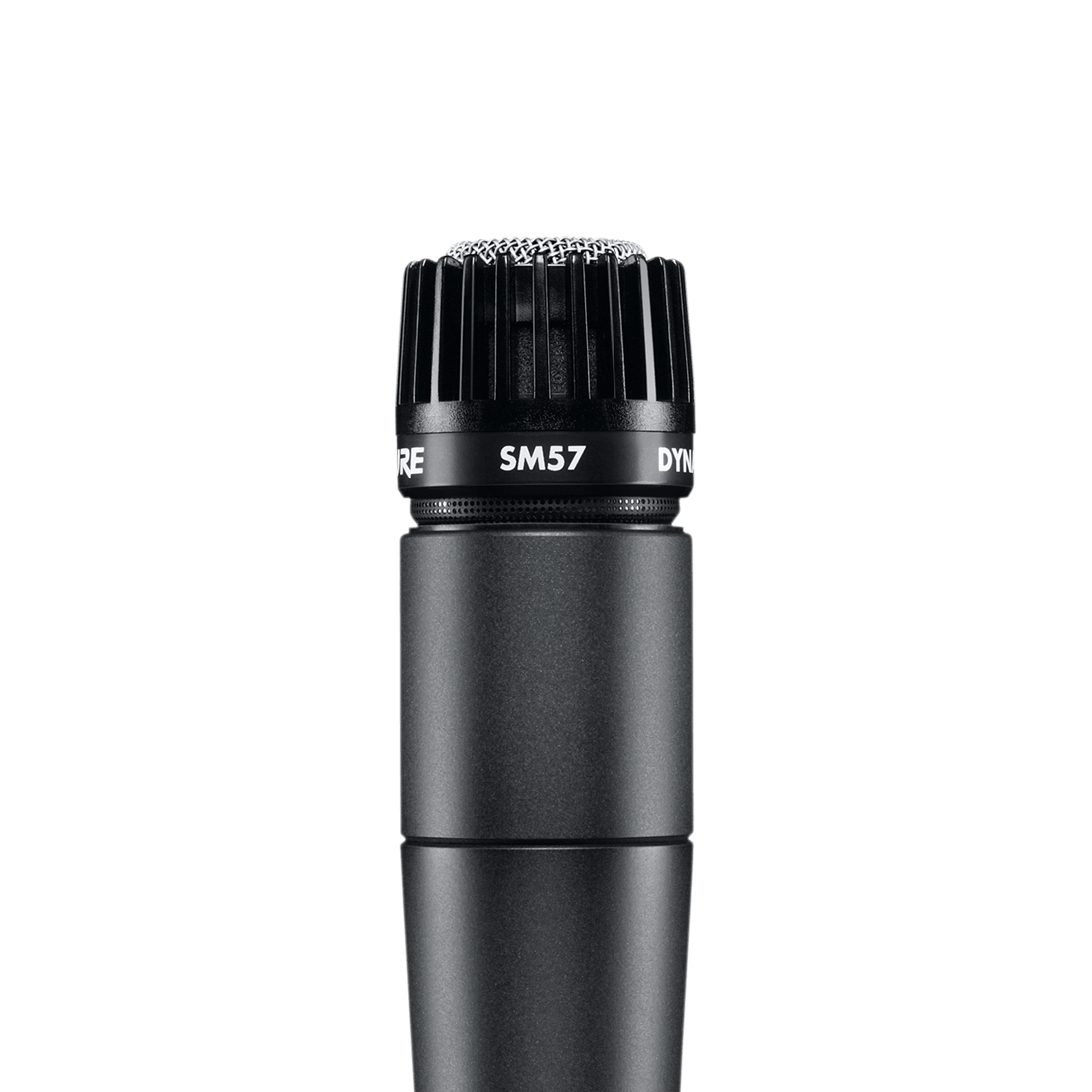 SM57Dynamic Instrument MicrophoneLearn More
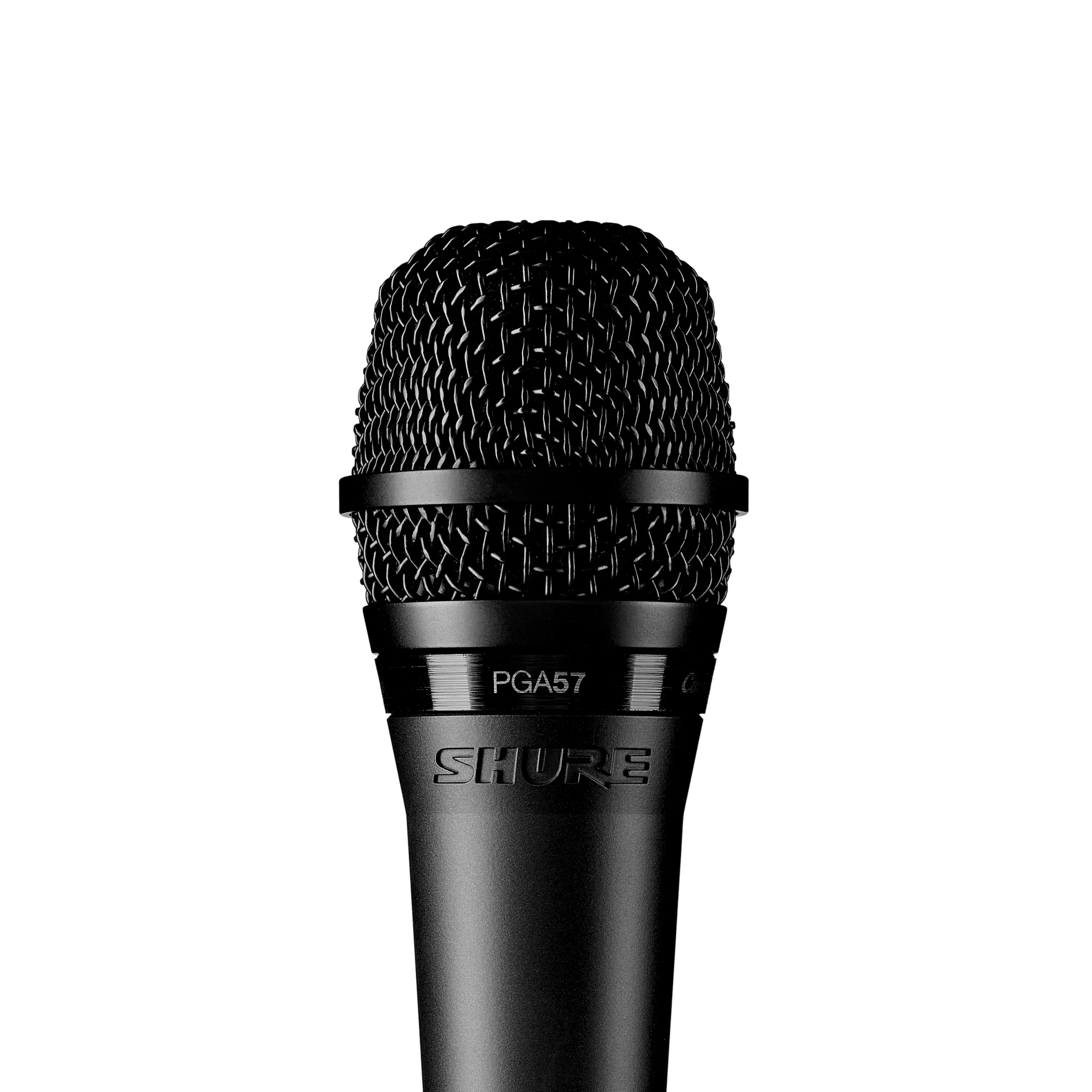 PGA57Cardioid Dynamic Instrument MicrophoneLearn More
 BETA 98AMP/CInstrument MicrophoneLearn More
 KSM32CCardioid Condenser MicrophoneLearn More
 SM81Condenser Instrument MicrophoneLearn More
 PGADRUMKIT5PGADRUMKIT5 Drum Microphone KitLearn More
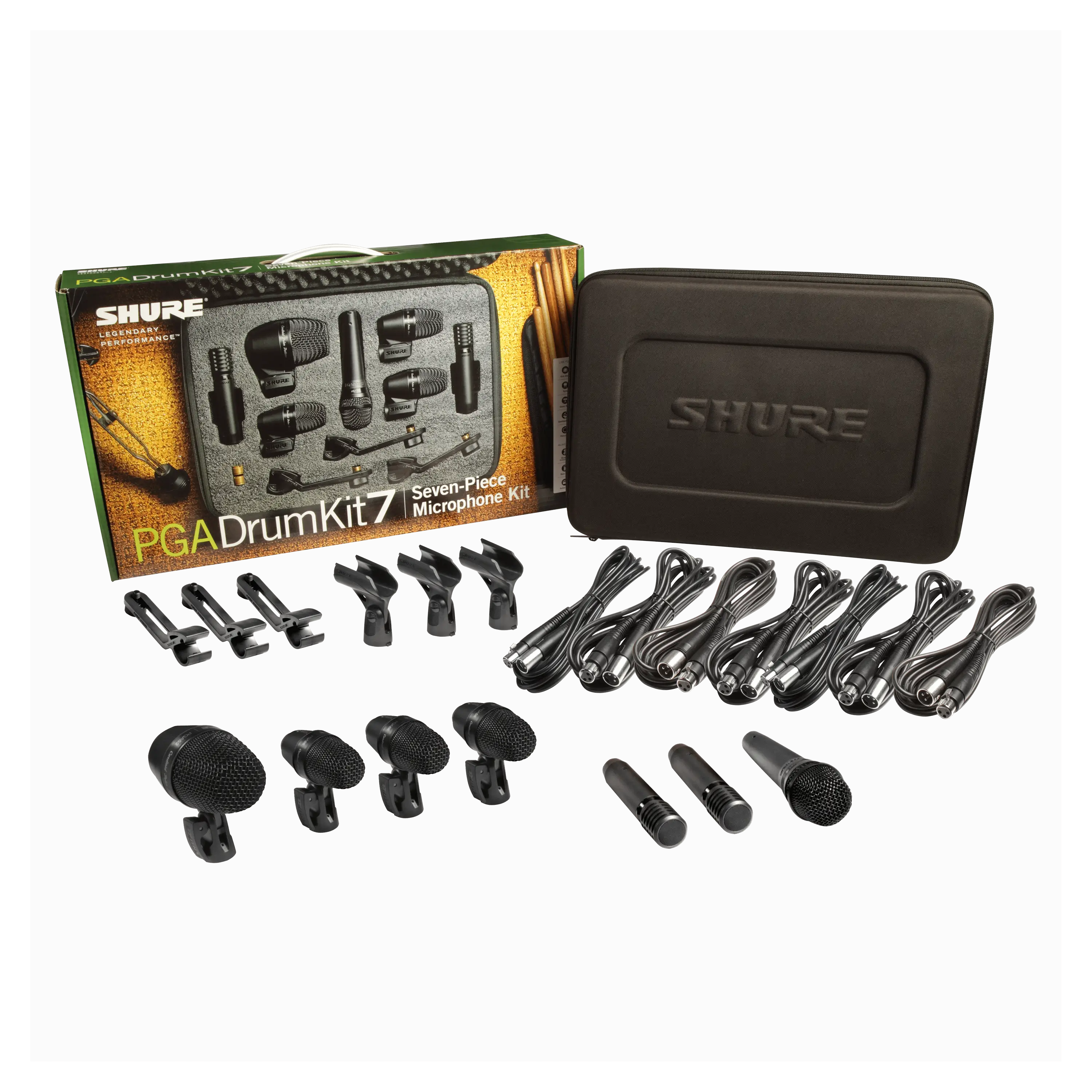 PGADRUMKIT7PGADRUMKIT7 7PC DRUMKIT PGA52, 57, 56(X3), 81(X2)Learn More
Related Stories

Axient Digital AD vs. ADX Series: What’s the Difference?
When choosing a professional wireless system, the differences between product tiers can sometimes feel confusing. Axient® Digital keeps things simple with one powerful receiver platform and two transmitter series: AD and ADX. Both deliver exceptional RF performance, audio quality, encryption, and spectrum efficiency, but ADX adds advanced tools for the most demanding productions. Understanding what they share—and where they differ—can help you choose the right solution with confidence.
Action Isolator Is Changing What Live Sports Broadcasts Sound Like
The sounds that define the game should lead the mix. Action Isolator is a professional audio processing software from Shure that isolates game audio in real time across up to eight channels and reduces crowd & ambient noise, with five AI-trained modes built for live sports broadcast.
Axient® Digital PSM Transmission Modes: Versatile Solutions for Every Application
Axient Digital PSM offers unmatched flexibility for today’s demanding RF environments. Explore the five available transmission modes and learn how each one helps monitor engineers balance range, channel count, latency, and reliability for every application.
How Leading Churches Are Improving Congregation Sound Capture in Their Livestreams
Digital array microphone technology is helping churches improve congregation sound capture in every church live stream with greater clarity, consistency, and cost-effectiveness. By better capturing congregational worship and room response, churches can create more immersive livestream audio experiences while simplifying system design and reducing microphone complexity.How Leading Churches Are Improving Congregation Sound Capture in Their Livestreams
Digital array microphone technology is helping churches improve congregation sound capture in every church live stream with greater clarity, consistency, and cost-effectiveness. By better capturing congregational worship and room response, churches can create more immersive livestream audio experiences while simplifying system design and reducing microphone complexity.