How to Choose the Best Microphones for Home Recording

Here’s a truth for you: No one needs to go to a recording studio to make amazing music. With the right gear, you can now do it all wherever you feel most creative.
Artists like Taylor Swift and Doja Cat have recorded entire albums at home. Some of the most successful producers in the business – Skrillex, Nosaj Thing, Y2K – make tunes that slap solely on their laptops.
And yeah, recording from home is convenient, but it also makes artistic sense. Your home is where you feel most comfortable. It’s where you can immediately capture your creativity. And thanks to the latest tech, it can sound just as professional as a $1,000-a-day studio.
That said, there are a few things that are good to know before you start. Like, which home studio microphones are essential to have. And that’s where this guide comes in. We’ve broken it down into bite-sized chunks according to what you want to record. But here's an even quicker list of essential mics for home recording:
- THE SM4 - best all around mic
- THE SM58 - industry standard for vocals
- THE MV7i - mic with built-in interface, able to record two sources at once
- THE SM57 - industry standard for instruments
- THE NEXADYNE 5 - versatile guitar amp mic
- THE NEXADYNE 2 - groundbreaking kick drum mic
- THE KSM32C - versatile mic for ensembles or drum overheads
VOCALS
Even if you’re recording entirely with virtual instruments in Logic, Ableton or Reaper, you’ll still need a quality vocal mic. But luckily with these it’s all about the feel, and what works well with your voice. And you know that better than anyone else. Click here for a deep dive on vocal mics.
BEST ALL AROUND
THE SM4 – If you’re looking for one mic that can cover just about anything, this is a great place to start. It feels equally comfortable on vocals and instruments, giving you a clean, natural sound without a lot of extra tweaking. It also helps keep background noise and pops under control so your recordings come together more easily.

VOCALS
Even if you’re recording entirely with virtual instruments in Logic, Ableton or Reaper, you’ll still need a quality vocal mic. But luckily with these it’s all about the feel, and what works well with your voice. And you know that better than anyone else. Click here for a deep dive on vocal mics.
THE SM7B – You’ll recognize this mic right away – it’s the one all the YouTubers use, because it sounds so smooth and warm. Rap, rock – you name it, the SM7B does it all. If you think your voice sounds a bit harsh on other mics, or you just want that classic sound, this is the one for you. Need more juice for your interface? Try the SM7dB.

THE SM58 – Not everyone feels comfortable singing into a mic on a stand. Sometimes it feels more natural to hold it in your hand. And if that’s the case for you, then try an SM58. This legend has delivered the same warm and natural sound for decades. Clearly, and unquestionably, this is the G.O.A.T. of vocal microphones.

THE MV7+ – The MV7+ is a fantastic option for getting a high-quality vocal track down without an audio interface wherever you might be. This mic plugs straight into your laptop or smartphone, so you no longer have to compromise your sound when you’re recording at home or on the road.

THE MV7i – If your setup is starting to grow beyond a single mic, this one makes the jump a lot easier. With a built-in interface and the ability to record two sources at once — like your voice alongside another mic or even an instrument — it’s a simple way to expand into more complex recordings without adding extra gear.

ELECTRIC GUITAR & BASS
A lot of people just plug their instruments straight into their laptops – and that’s fine, up to a point. But if you want an authentic sound, you’re going to want to play your electric guitars and bass out loud. And when you do that, you’ll need a mic that can capture the performance. That’s what will separate you from the crowd.
THE SM57 – This mic can basically do everything – you can even sing into it, if you want (Kurt Cobain did). But it’s at its best when recording guitar amps and snare drums. It has a crisp feel that’s perfect for when your playing gets wild, and it won’t ever break. Buy one of these and it’s yours for life.

THE NEXADYNE 5 - If you’re focused on capturing guitar or bass amps, this is a mic that really helps your tone come through. It’s designed to bring out the full character of your sound — from punchy lows to clear highs — while keeping unwanted noise out of the recording, so your parts sit naturally in the mix with less effort.

DRUMS
You’ve probably noticed that some people get lost in the technical details around music. Especially with drum mics. And yeah, that stuff has a time and a place, but the main thing you need to know is does it work. And these mics do.
It also pays to be strategic. If you’re on a budget, start with a two-mic set up. Then you can add more as you go, without any redundancy. We’ve listed them in order so you can do just that.
THE SM57 – If you picked one up for your guitar, you’re all sorted. If not, this is the ideal snare mic. It cuts through the mix to create a driving beat. This is the first mic you should buy for your drum set up. A living legend.
THE NEXADYNE 2 – To get deep and authoritative low-end, you'll need a mic like the Nexadyne 2. It has the attack definition and high frequency extension to cut through a super dense mix. It also eliminates stage rumble, focusing on faithful capture of your kick sound.

ACOUSTIC INSTRUMENTS
Acoustic instruments like guitar and piano need a special kind of microphone. Something that understands subtlety and sounds sincere. These mics do just that.
THE KSM32C – This mic will work great on everything from brass or woodwinds to classic guitars and choral singers. As a nice bonus, get a second KSM32C and you’ve got a pair of pro level overhead mics for your drum kit.

Related Products and Accessories
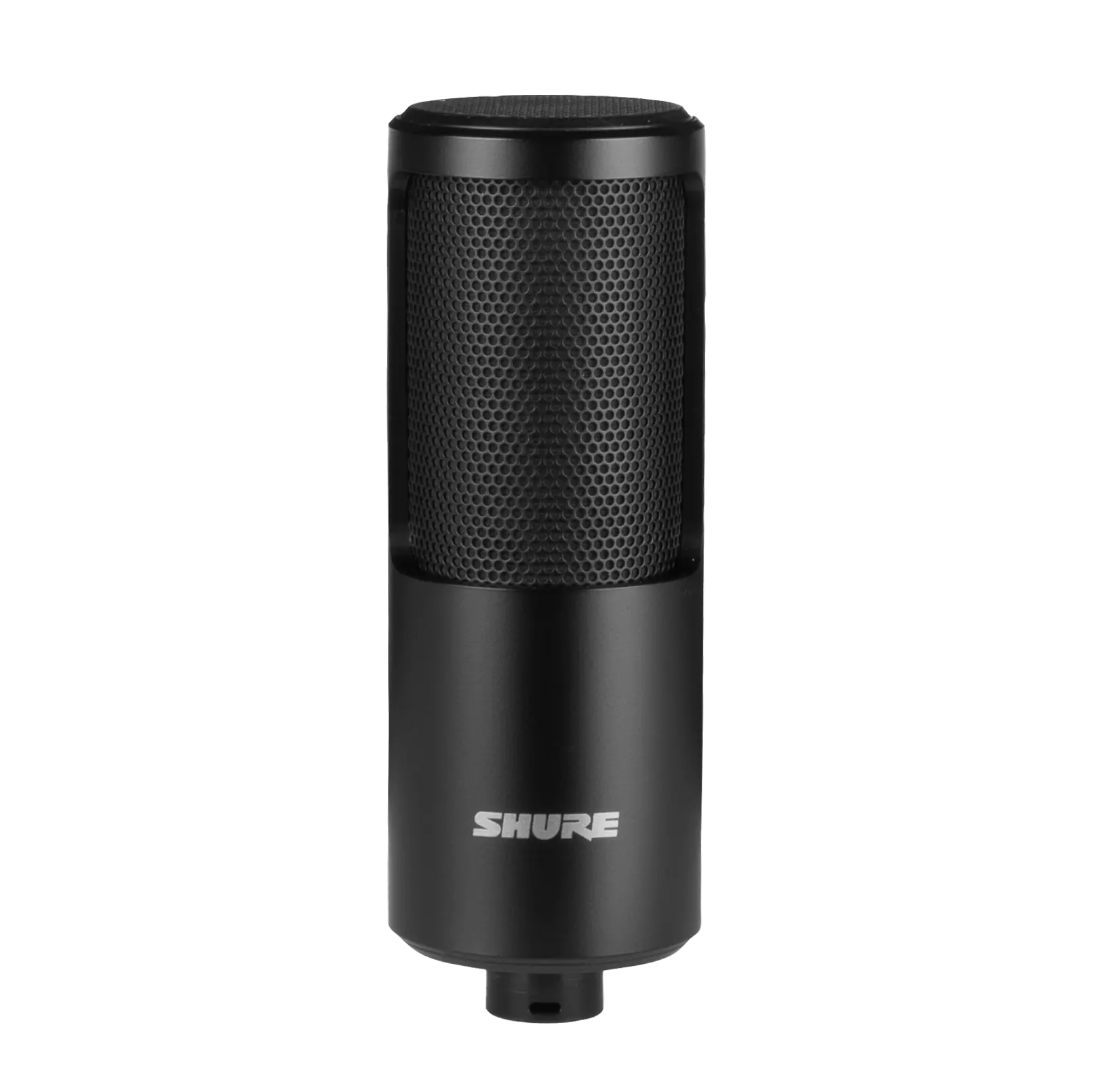 SM4Home Recording MicrophoneLearn More
 SM7BVocal MicrophoneLearn More
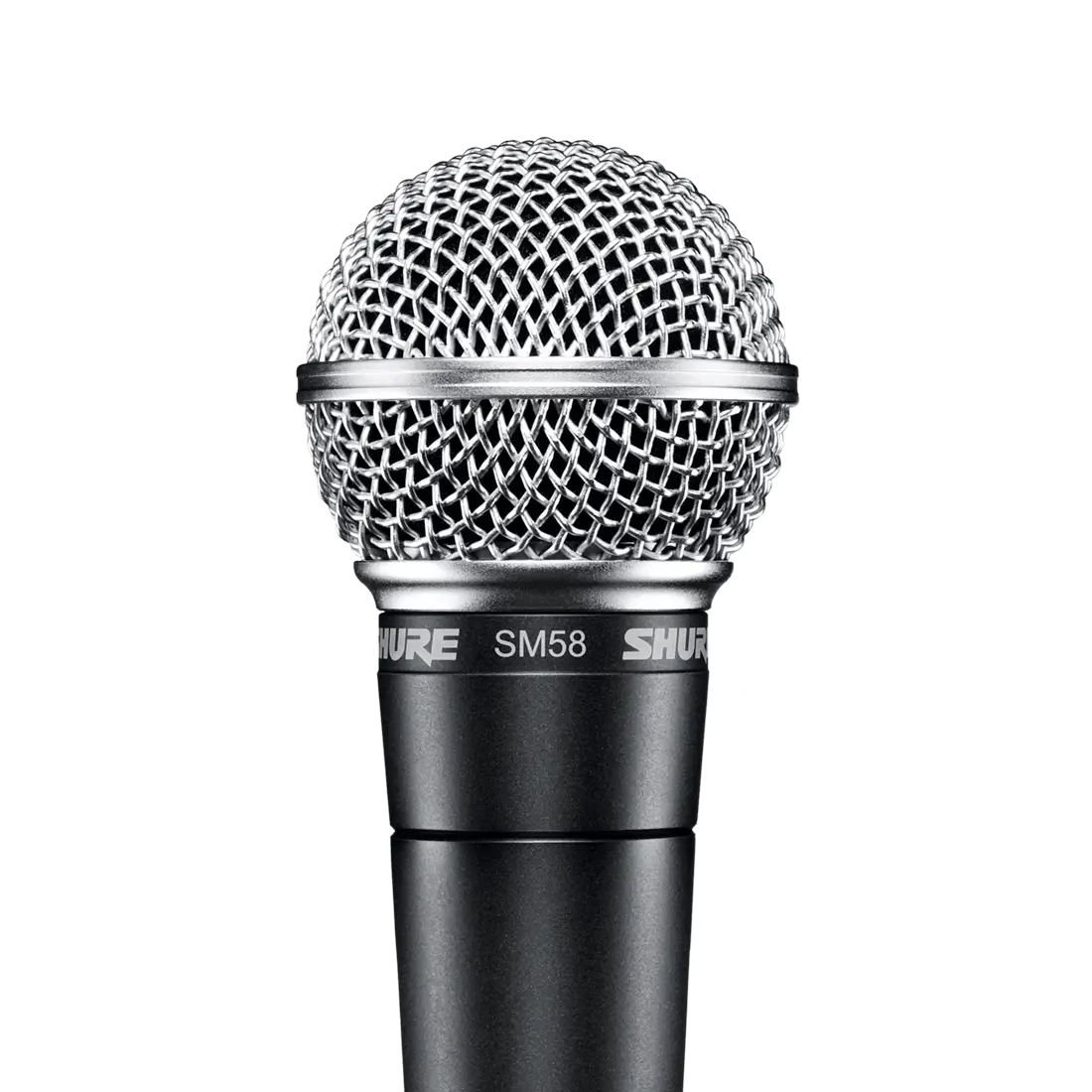 SM58Vocal MicrophoneLearn More
 MV7+Podcast MicrophoneLearn More
 MV7iSmart Microphone & InterfaceLearn More
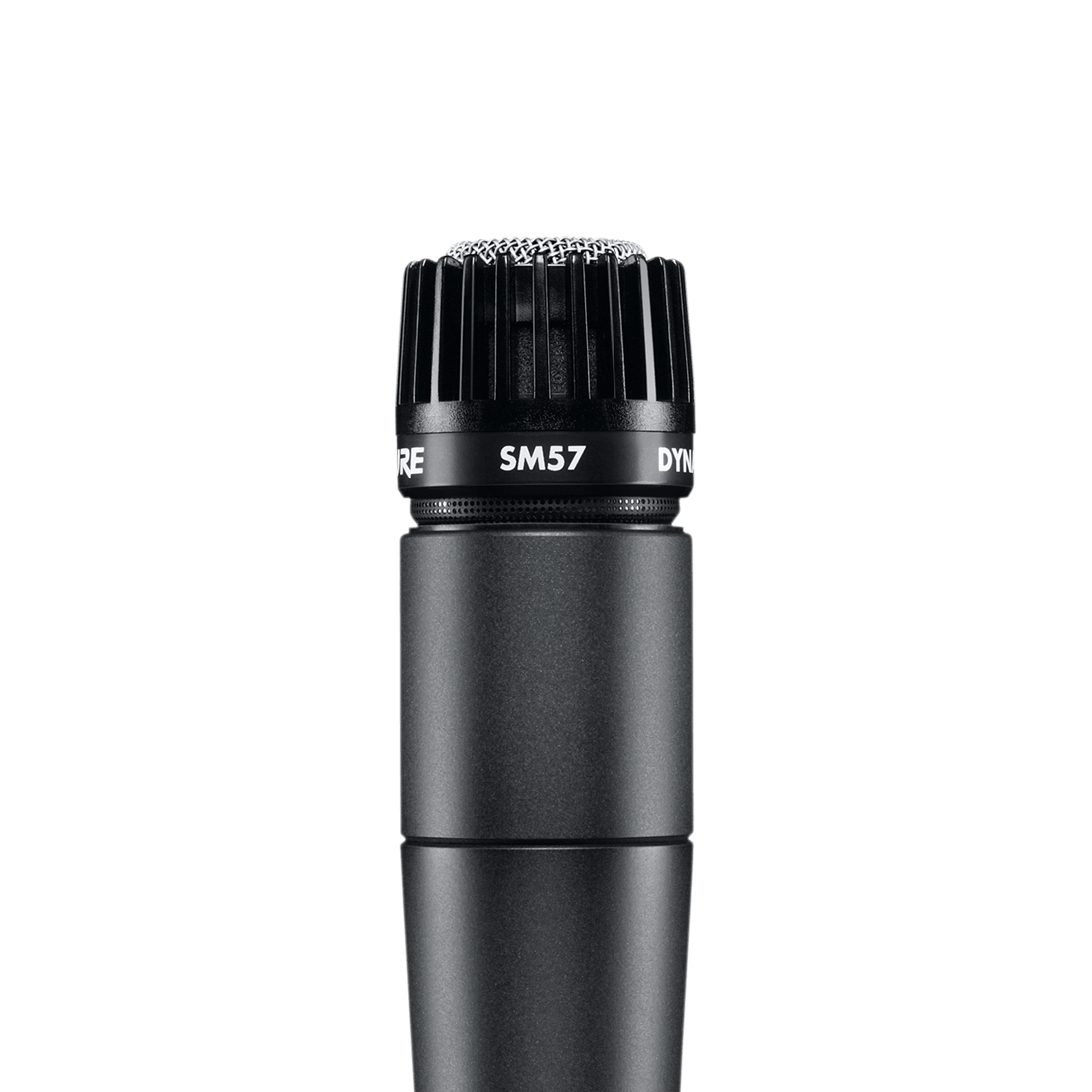 SM57Dynamic Instrument MicrophoneLearn More
 KSM32CCardioid Condenser MicrophoneLearn More
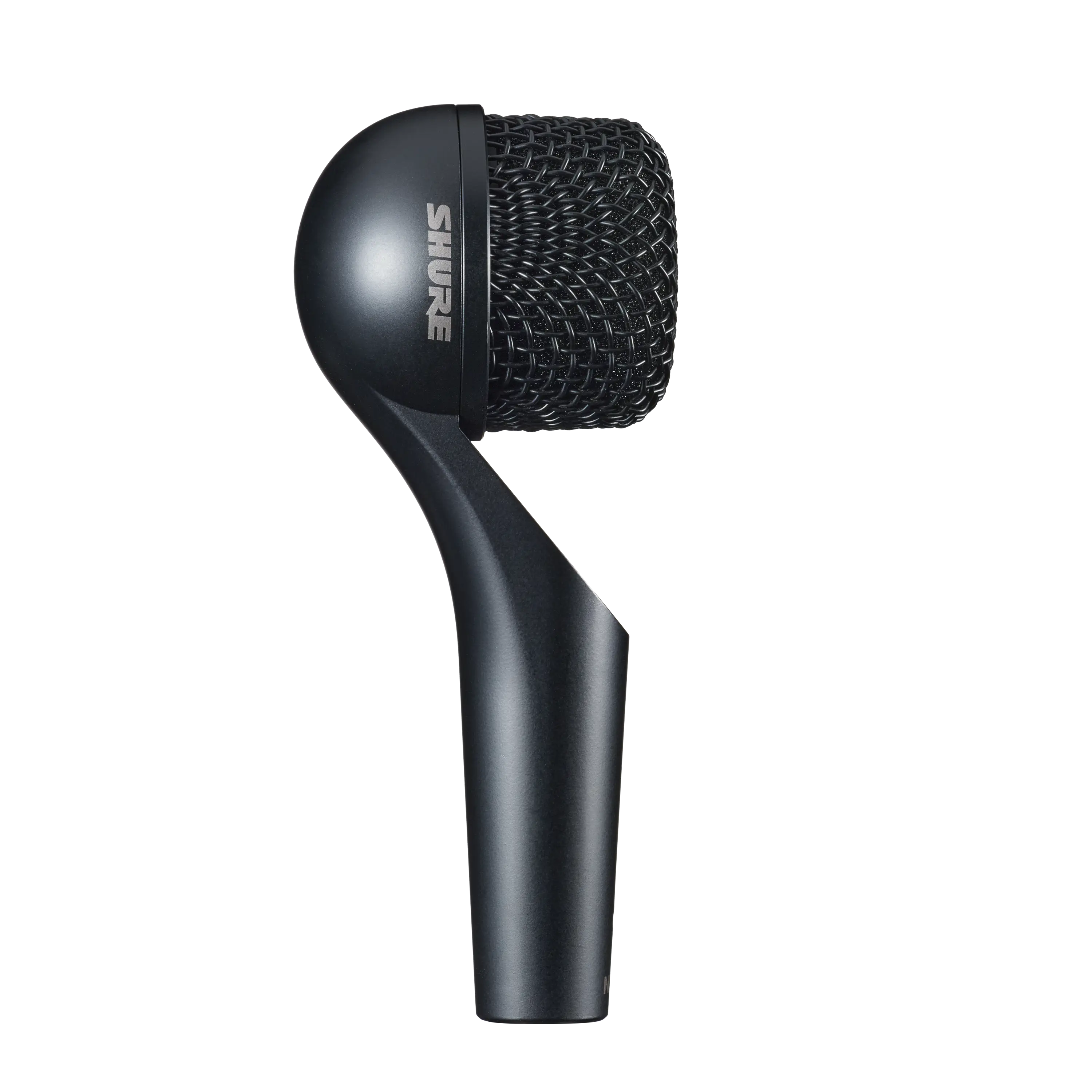 Nexadyne™ 5 Supercardioid Dynamic Guitar Amp MicrophoneLearn More
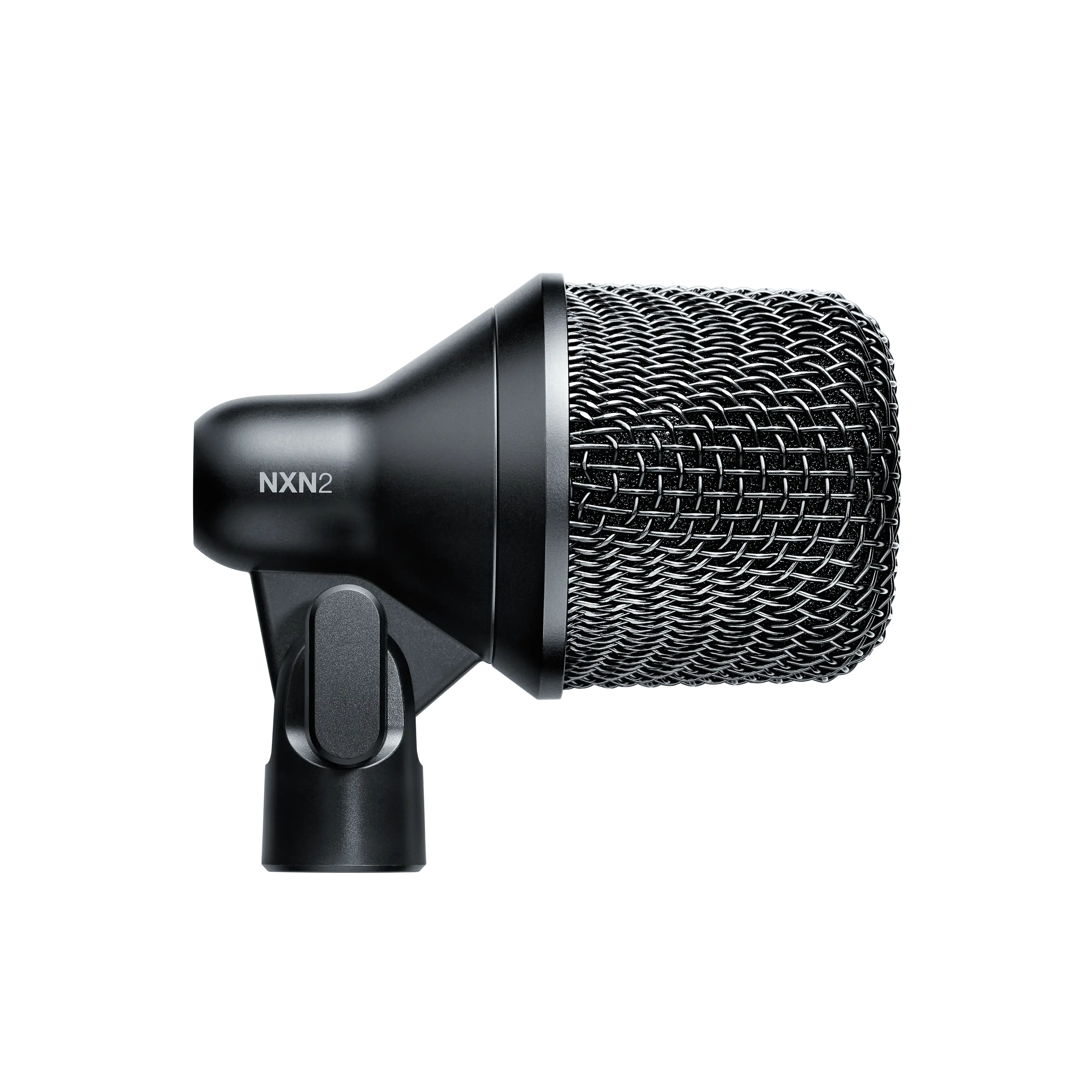 Nexadyne™ 2 Supercardioid Dynamic Kick Drum MicrophoneLearn More
Related Stories

Axient Digital AD vs. ADX Series: What’s the Difference?
When choosing a professional wireless system, the differences between product tiers can sometimes feel confusing. Axient® Digital keeps things simple with one powerful receiver platform and two transmitter series: AD and ADX. Both deliver exceptional RF performance, audio quality, encryption, and spectrum efficiency, but ADX adds advanced tools for the most demanding productions. Understanding what they share—and where they differ—can help you choose the right solution with confidence.