How to Mike a Grand Piano for Recording and Live Sound

Key Takeaways
- Learn how to mic a grand piano for both recording and live sound using several proven microphone placement techniques.
- Compare Blumlein, spaced-pair, midway, and hammer-position microphone setups and hear how each affects the piano's sound.
- Discover how microphone placement influences stereo image, room ambience, attack, and overall tone.
- Explore grand piano miking approaches for solo performances, ensemble recordings, and live sound applications.
- Find a starting point for grand piano microphone placement and learn how to adjust positions to achieve the sound you're after.
How to Mic a Grand Piano for Recording and Live Sound
In this installment of Shure's How Do You Do That? video series, Paul the Sound Guy demonstrates several popular grand piano microphone placement techniques for both recording and live sound applications.
Watch the video below to compare Blumlein, spaced-pair, midway, and hammer-position miking approaches, and hear how each technique affects piano tone, stereo image, room ambience, and mix placement.
Learn More About Grand Piano Microphone Techniques
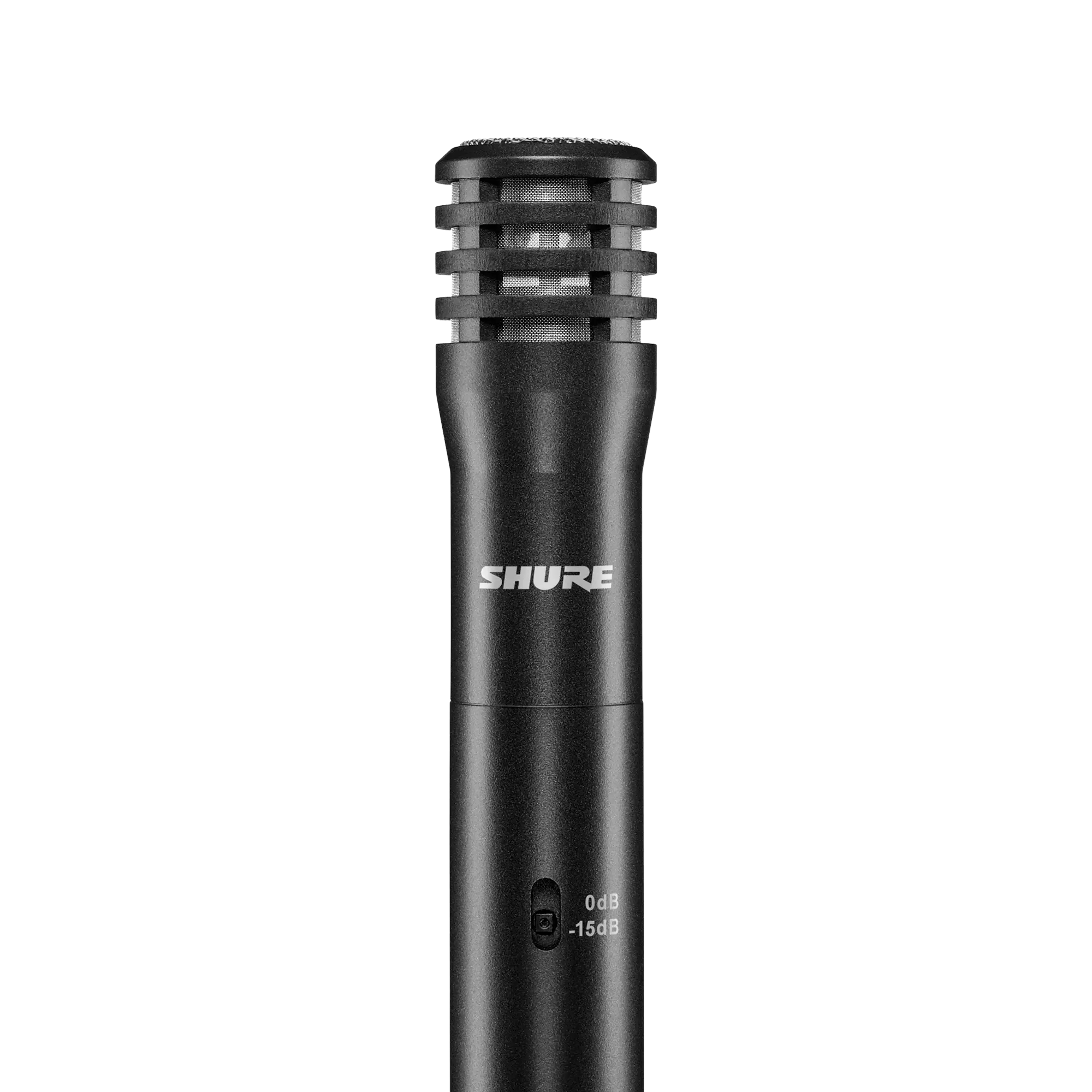
Whether you're recording a solo piano performance, reinforcing a piano in a live sound environment, or looking for a specific piano tone, microphone selection and placement play a major role in the final result. Explore additional Shure microphones and piano miking solutions to find the right setup for your application.
Click here for more great Shure microphones for your piano.
Recorded at Sweetwater Studio, Recording Engineer: Dave Martin, Pianist: Jacob Dupre

Related Products and Accessories


Related Stories

Axient Digital AD vs. ADX Series: What’s the Difference?
When choosing a professional wireless system, the differences between product tiers can sometimes feel confusing. Axient® Digital keeps things simple with one powerful receiver platform and two transmitter series: AD and ADX. Both deliver exceptional RF performance, audio quality, encryption, and spectrum efficiency, but ADX adds advanced tools for the most demanding productions. Understanding what they share—and where they differ—can help you choose the right solution with confidence.
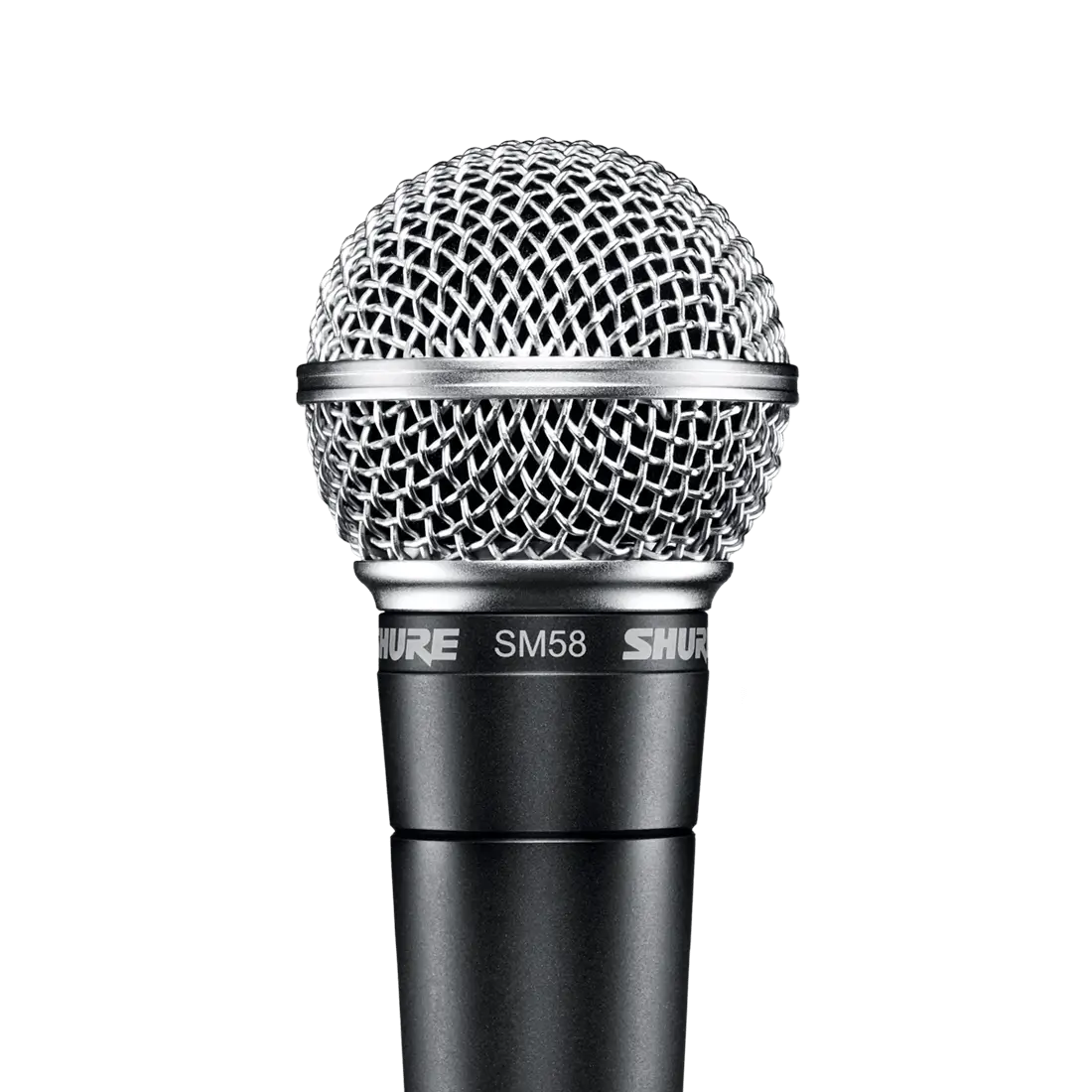
What's the Difference Between the SM58 and the Beta58A?
The SM58 and Beta 58A are both reliable handheld vocal microphones with different pickup patterns, output levels, and tonal profiles. The SM58 has a cardioid pattern and familiar, forgiving SM-series vocal sound. The Beta 58A has a tighter supercardioid pattern, hotter output, extended response, and reduced handling noise.
How to Mic a Snare Drum with a Shure SM57
When it comes to recording snare drums, the SM57 has pretty much dominated for the better part of 60 years. It adds just the right amount of low-end weight while also honoring the high-end presence and "crack" of the drum. For this reason, the 57 is the go-to mic for your snare.